A Changing Guard on the Croisette: The Cannes 2026 Lineup
The 79th Cannes Film Festival appears ready to challenge its own institutional reputation for predictability. Artistic director Thierry Frémaux recently unveiled approximately 95 percent of the Official Selection for the 2026 edition, revealing a lineup that leans away from the "usual suspects" in favor of a generational shift. Of the twenty-one films currently slated for the main competition, twelve directors will be vying for the Palme d'Or for the first time — a notable pivot for a festival often criticized for its loyalty to a closed circle of seasoned auteurs.
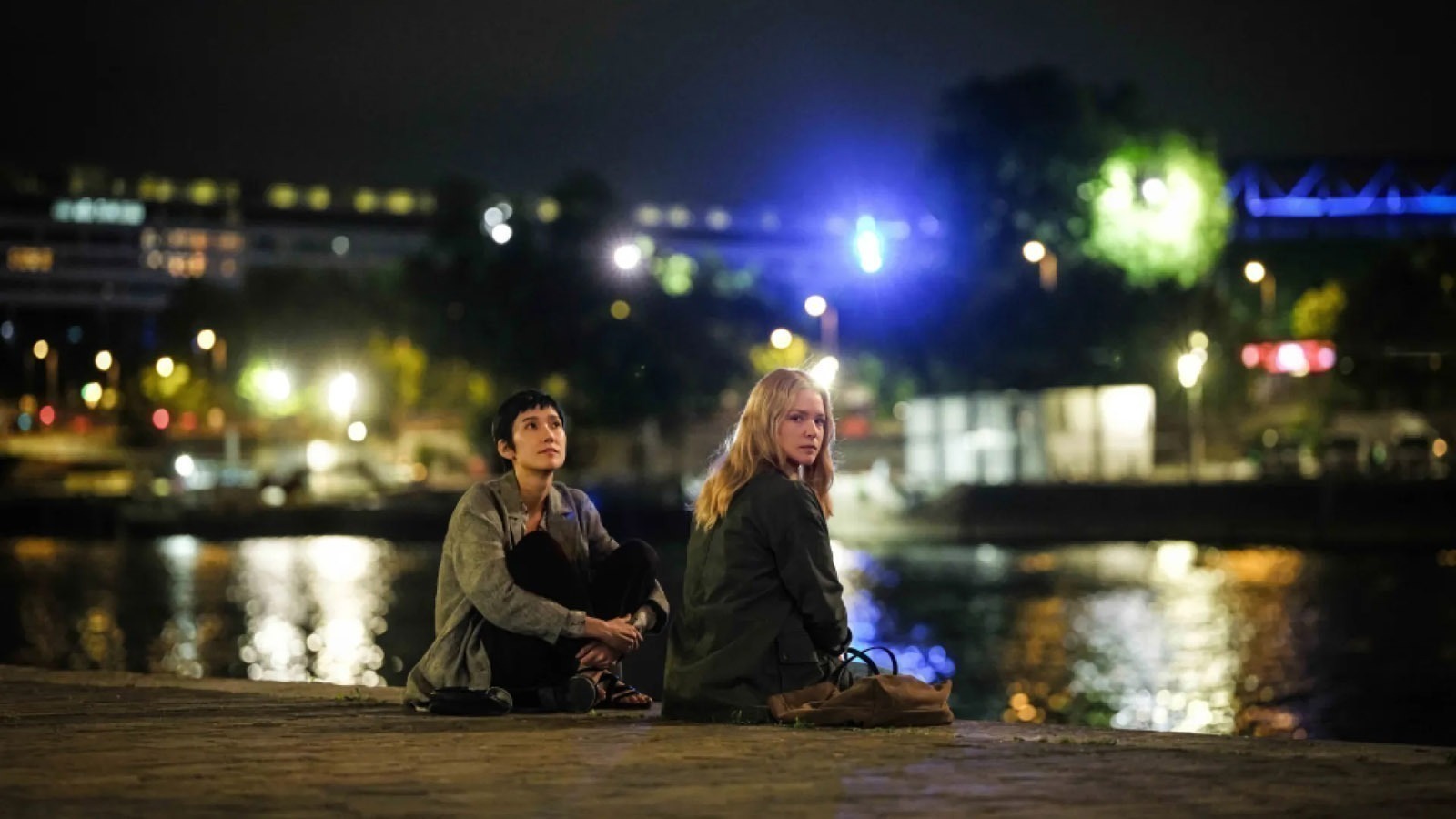
Japanese cinema holds a particularly strong position in this year's narrative architecture, with three major entries in the main competition. Ryusuke Hamaguchi returns with All of a Sudden, a cross-cultural meditation on mortality shot between Paris and Kyoto. Hirokazu Kore-eda ventures into speculative territory with Sheep in the Box, an inquiry into the domestic integration of humanoids. The trio is rounded out by Koji Fukada's Nagi Notes, an intimate study of two women navigating the turning points of middle age.
The festival will open on May 12 with Pierre Salvadori's La Vénus électrique, a 1920s-set comedy screening out of competition. While the roster is nearly complete, the industry remains watchful for late additions; James Gray's Paper Tiger is widely rumored to be a final contender for a slot.
A Festival Recalibrating Its Own Canon
Cannes has long operated under a dual imperative: to function as the world's preeminent discovery platform for cinema while simultaneously reinforcing a canon of directors whose names alone guarantee prestige and press attention. The tension between these two roles is structural, not incidental. In recent editions, the competition has drawn recurring criticism for over-indexing on familiar names — directors who have already won the Palme d'Or or competed multiple times without necessarily delivering their strongest work. The result, for some observers, has been a festival that ratifies reputations more than it builds them.
The 2026 lineup reads as a deliberate correction. Twelve first-time competitors out of twenty-one is a ratio that would have been unusual in any recent decade of the festival's history. It does not mean the selection abandons established filmmakers — Hamaguchi and Kore-eda are both previous Cannes laureates — but it rebalances the equation. The signal is clear enough: Frémaux is betting that the festival's authority derives not from the names it recycles but from the quality of what it surfaces.
Whether this represents a lasting institutional shift or a one-year recalibration remains an open question. Cannes has flirted with renewal before, only to revert to safer programming in subsequent years. The durability of this pivot will depend in part on how the 2026 competition is received — both by juries and by the broader critical ecosystem that shapes the festival's narrative after the fact.
Japan's Quiet Ascendancy and the Speculative Turn
The presence of three Japanese directors in the main competition is significant not merely as a matter of national representation but as an indicator of where global art cinema's center of gravity is shifting. Japanese filmmakers have been a consistent force at Cannes for decades, from the postwar generation onward, but the current cohort represents something distinct: directors working across genres and registers, comfortable moving between realism, genre, and now speculative fiction.
Kore-eda's Sheep in the Box is perhaps the most telling entry in this regard. A filmmaker long associated with domestic realism and family drama, his turn toward a narrative centered on humanoid integration suggests a broader appetite among established auteurs for engaging with technological and social questions that were once the province of commercial science fiction. This mirrors a wider trend visible across festival cinema in recent years, where the boundary between arthouse storytelling and speculative worldbuilding has grown increasingly porous.
Hamaguchi's cross-cultural framing and Fukada's focus on middle-aged interiority, meanwhile, represent more familiar registers — but their simultaneous presence alongside Kore-eda's genre departure gives the Japanese contingent a range that few national cinemas can match in a single competition year.
As the Croisette prepares for its May 12–23 run, the 2026 selection places two forces in direct tension: the festival's deep investment in its own history and the growing pressure to reflect a cinema landscape that is younger, more geographically distributed, and less bound by traditional genre categories. How those forces resolve — or whether they need to — is a question the competition itself will answer.
With reporting from Criterion Daily.
Source · Criterion Daily