Ai Weiwei has long occupied the uneasy space between global art icon and state-defined criminal. His forthcoming book, On Censorship, distills a lifetime of friction with Chinese authorities into a compact meditation on the mechanics of suppression. Rather than cataloguing personal grievances, the work advances a broader thesis: that the impulse to silence dissent is not merely a tool of authoritarian regimes but a creeping malaise within Western institutions that pride themselves on openness.
The argument arrives at a moment when debates over speech, platform governance, and institutional self-censorship dominate public discourse on both sides of the Atlantic. Ai Weiwei's own biography lends the claim a particular authority. His 81-day detention without charge in 2011, the demolition of his Shanghai studio by Chinese authorities, and years of passport confiscation are well-documented episodes in a career defined by confrontation with state power. That he now turns the lens westward — toward the quieter, more procedural forms of suppression found in liberal democracies — marks a deliberate expansion of scope.
Censorship as Architecture
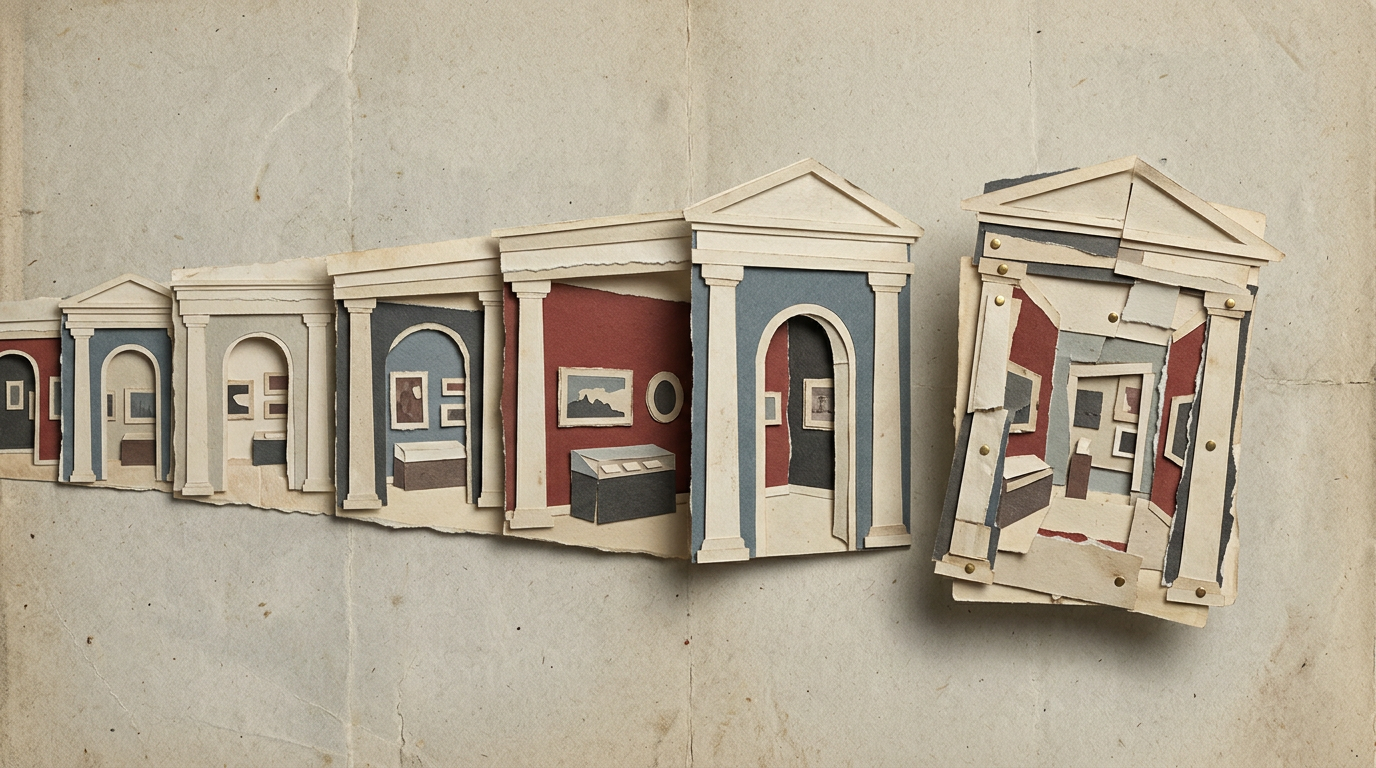
The book's central metaphor, as suggested by its framing, treats censorship not as a series of discrete acts but as a structural condition — something closer to architecture than to incident. Ai's training as an architect and urbanist informs this perspective. In his reading, suppression does not require a visible censor or a publicized ban. It can operate through institutional inertia, funding structures, curatorial timidity, and the soft pressures of social conformity. Once silence becomes the default, the architecture sustains itself without further intervention.
This framing resonates with a broader intellectual tradition. Writers from Václav Havel to Aleksandr Solzhenitsyn have described how authoritarian systems depend less on brute force than on the internalization of limits — the moment citizens begin to censor themselves. Ai's contribution is to argue that this internalization is not confined to societies under overt repression. Western cultural institutions, he suggests, increasingly exhibit similar reflexes: pre-emptive caution, the quiet withdrawal of controversial work, the prioritization of institutional reputation over artistic freedom. The mechanism differs; the outcome converges.
The distinction matters because it challenges a comfortable binary. Democracies have traditionally defined themselves in opposition to censorship regimes, treating free expression as a settled question rather than an ongoing negotiation. Ai's thesis implies that this self-assurance is itself a vulnerability — that complacency about openness can become the very condition under which openness erodes.
Parallel Recoveries
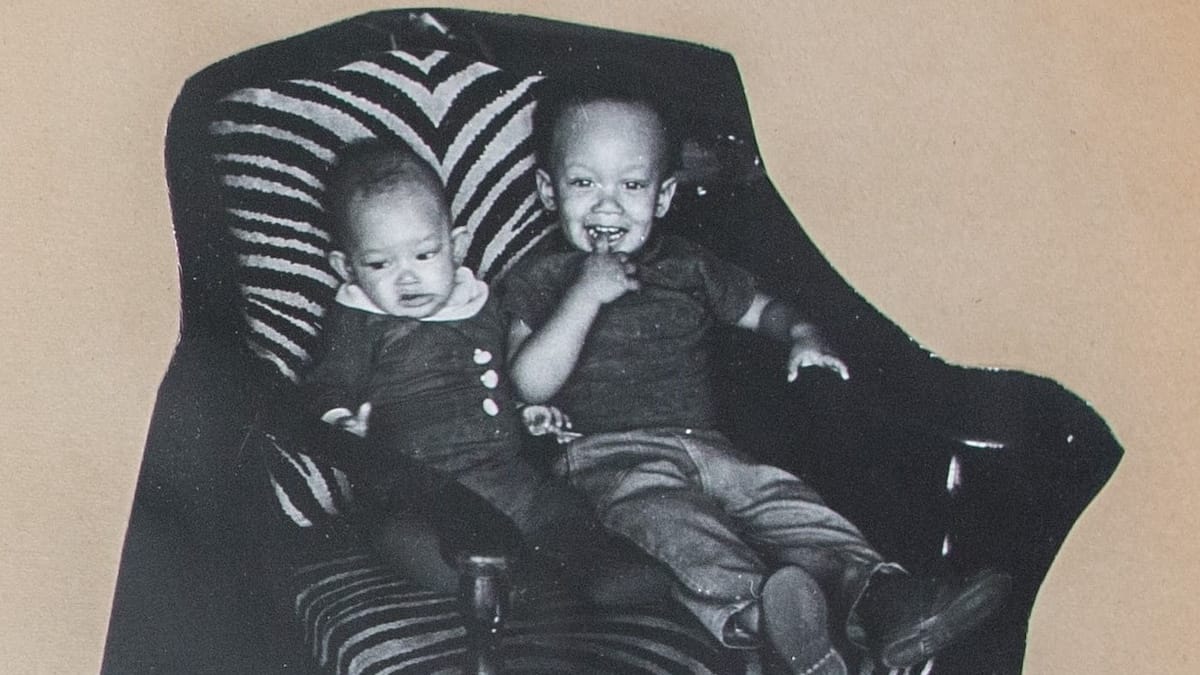
The themes of On Censorship find unexpected echoes in other recent archival and scholarly work. New examinations of the Kathleen and Eldridge Cleaver family album have surfaced the domestic textures of Black Panther leaders living in exile — images that complicate the movement's public iconography and restore a private dimension long overshadowed by political narrative. Meanwhile, studies of the Qing dynasty's Canton trade system have attempted to identify the anonymous painters who produced export art for European markets, artists whose individual identities were erased not by state decree but by the commercial and colonial structures that treated their work as commodity rather than expression.
These projects share a common impulse: the recovery of voices that institutional systems — whether political, commercial, or historical — rendered invisible. The erasure in each case operated through different mechanisms. Chinese state censorship, American political repression, colonial market dynamics, and the simple entropy of historical memory are not equivalent forces. Yet the result rhymes. Records disappear. Names are lost. The act of retrieval becomes, in each instance, a form of counter-architecture — an attempt to rebuild what silence dismantled.
What links Ai Weiwei's polemic to these archival recoveries is a shared insistence that the struggle for a permanent record is not incidental to political and cultural life but central to it. The question his book poses is whether societies that believe themselves free are willing to examine the silences they have already built — or whether the architecture, by now, has become too familiar to notice.
With reporting from Hyperallergic.
Source · Hyperallergic