Apple TV+ has confirmed a July 3rd premiere date for the third season of Silo, the post-apocalyptic thriller adapted from Hugh Howey's bestselling novel series. The upcoming season will run ten episodes through September 4th, marking the continuation of one of the platform's most prominent original productions. The announcement reinforces a programming strategy that has steadily positioned Apple's streaming service as a primary destination for high-concept science fiction.
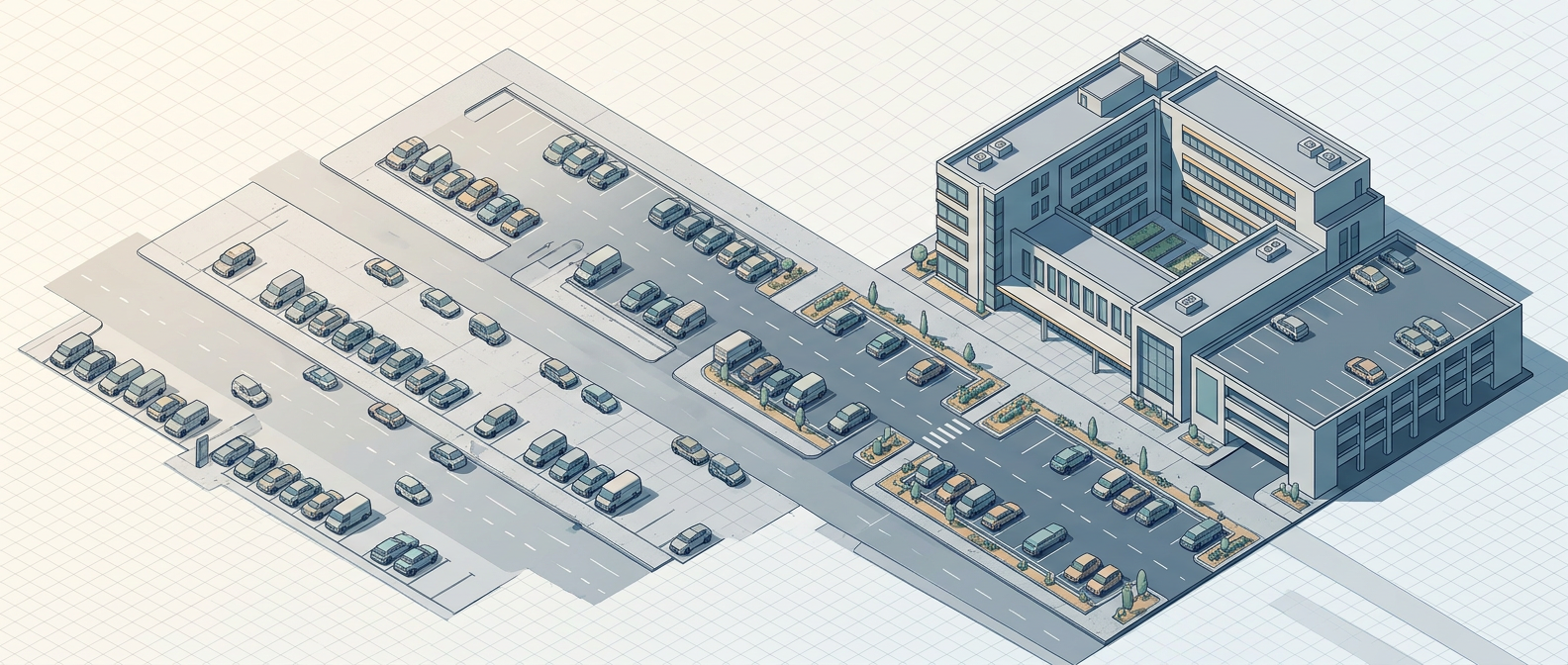
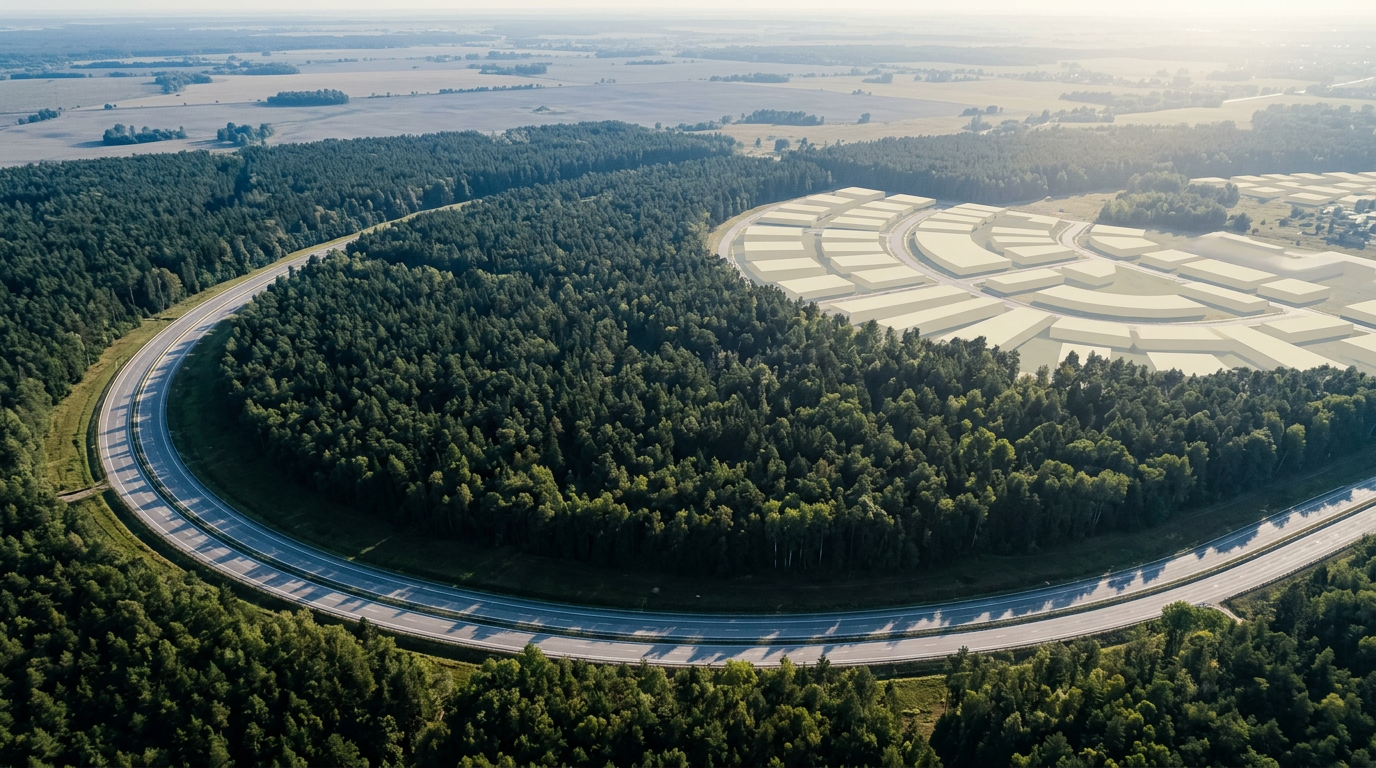
Based on Howey's Wool trilogy, Silo depicts a vast underground community whose inhabitants live inside a massive subterranean structure — the silo itself — with no reliable knowledge of the outside world. The architecture functions simultaneously as habitat and instrument of governance, a premise that lends the series its distinctive tension between survival and political control. Since its debut, the show has drawn attention for its deliberate pacing, detailed production design, and willingness to let narrative complexity unfold across seasons rather than episodes.
A Streaming Identity Built on Speculative Fiction
The return of Silo is best understood not as an isolated release but as a data point in a broader editorial thesis Apple TV+ has been constructing since its launch. Where Netflix built its early identity on volume and algorithmic breadth, and HBO leaned on prestige drama rooted in contemporary realism, Apple has gravitated toward a narrower band of programming: cerebral, visually ambitious science fiction that treats world-building as a narrative end in itself.
The platform's catalog tells the story clearly. Titles such as Foundation, Severance, For All Mankind, and Dark Matter share a common grammar — engineered environments, institutional secrecy, societies shaped by hidden rules. These are not action-driven spectacles in the mold of franchise blockbusters. They are slow-burn explorations of how systems constrain and define human behavior, closer in spirit to literary science fiction than to the space-opera tradition that dominates much of the genre on screen.
This positioning carries strategic logic. Apple TV+ entered the streaming market years after its largest competitors and has never attempted to match them in sheer volume of output. A curated identity built around a specific genre sensibility offers a path to subscriber loyalty that does not depend on an endless content pipeline. The bet is that a smaller, devoted audience — one that values production quality and narrative ambition — can anchor a viable streaming business, particularly when bundled within Apple's broader services ecosystem.
The Economics of Patience
The multi-season commitment to Silo also reflects a production philosophy that runs counter to the prevailing mood in the streaming industry. Over the past two years, several major platforms have moved toward faster cancellation cycles and shorter season orders, driven by pressure to reduce content spending. Apple has moved in the opposite direction, greenlighting extended runs for serialized narratives that require time to develop.
This approach mirrors the structure of the source material itself. Howey's novels reward patience; the world of the silo reveals its logic incrementally, and the political architecture of the story depends on accumulated detail. Translating that sensibility to television demands a willingness to let audiences sit with ambiguity across seasons — a luxury that not every streamer can or will afford.
Whether this patience translates into durable competitive advantage remains an open question. Apple does not regularly disclose viewership figures, making it difficult to assess the commercial performance of individual titles. What is observable is the consistency of the editorial direction: season after season, the platform continues to allocate significant production budgets to speculative fiction with long narrative arcs.
The tension worth watching is between Apple's curatorial discipline and the broader market's gravitational pull toward cost efficiency. A streaming service can sustain a niche identity only as long as the parent company's strategic calculus supports it. For now, the silo keeps descending — and Apple keeps building downward.
With reporting from The Verge.
Source · The Verge