The challenge of marine pollution has long been a problem of visibility and scale. While surface plastics garner significant media attention and public concern, the heavier debris — discarded tires, sunken ghost nets, industrial waste, and construction materials — often settles into the silt of the ocean floor, where it is notoriously difficult to retrieve without damaging fragile ecosystems. Estimates from environmental agencies have for years pointed to the seabed as a vast, largely unaddressed repository of anthropogenic waste, one that conventional cleanup methods struggle to reach.
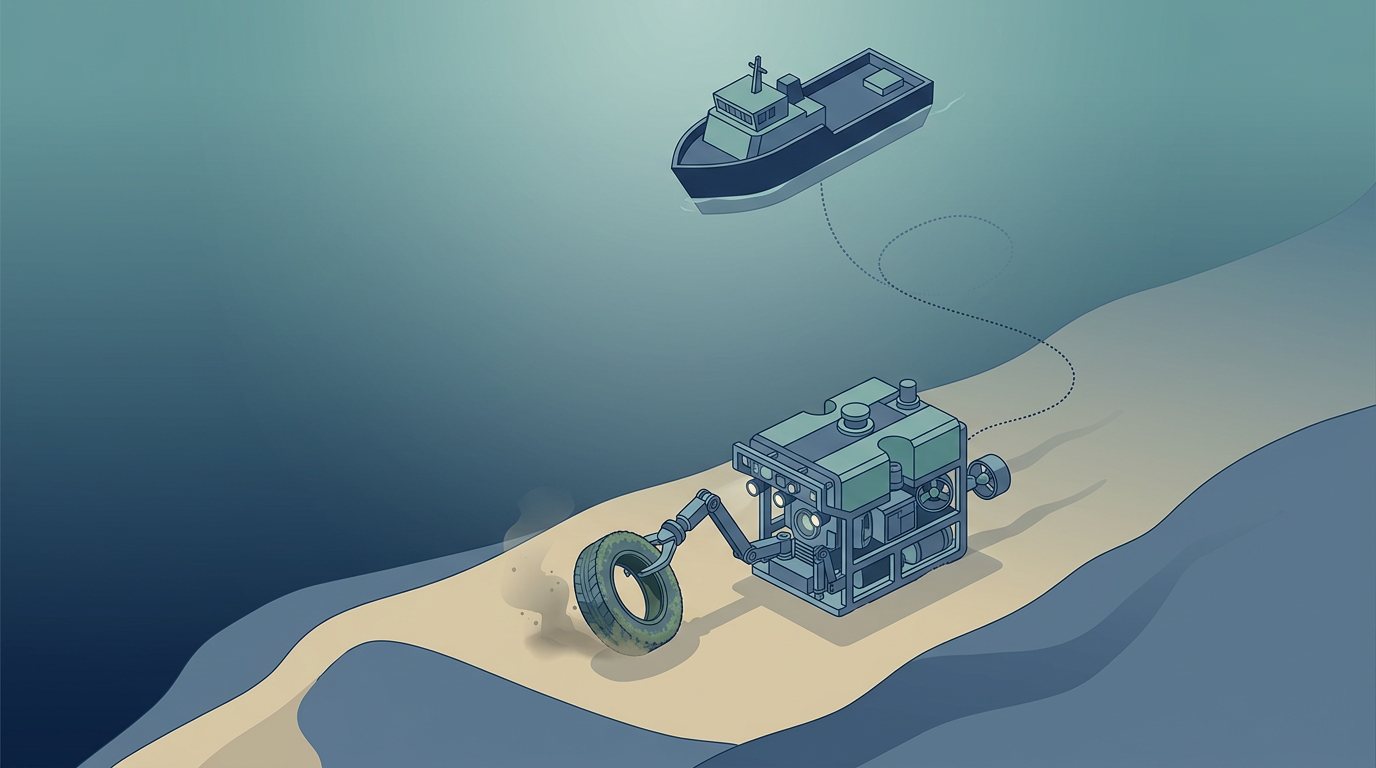
The SeaClear 2.0 project, a German-led autonomous system, aims to address this deep-water blind spot through a coordinated robotic hierarchy. The initiative represents a second iteration of the original SeaClear program, which explored the feasibility of using robotics and artificial intelligence for underwater litter detection and removal. The upgraded system now operates as a fully orchestrated fleet, combining aerial drones, surface vessels, and a heavy-duty underwater robot into a single integrated workflow.
A Layered Architecture for Deep-Sea Extraction
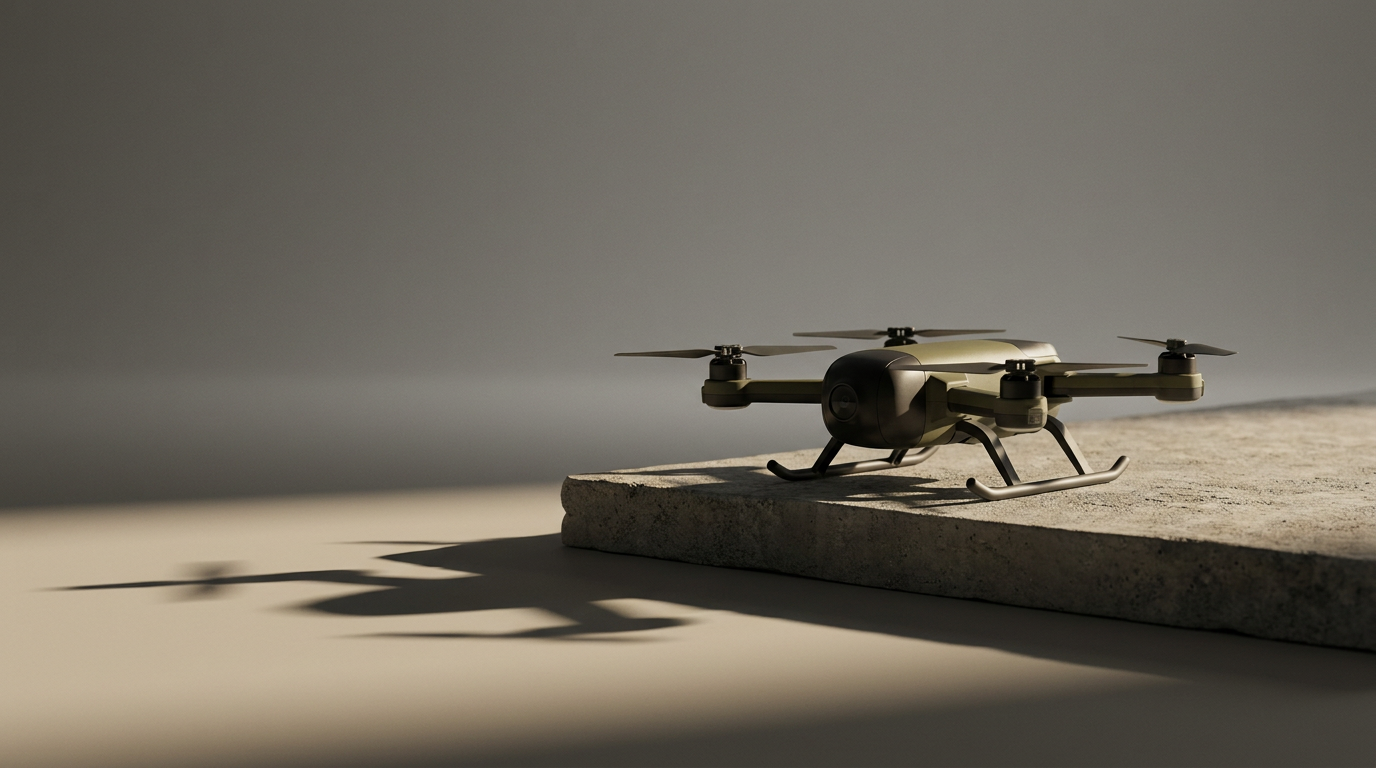
The operational logic of SeaClear 2.0 follows a tiered sensing-and-action model. Aerial drones first scan the surface and shallow waters, using high-definition computer vision to map concentrations of debris. This data is relayed to a central "mother ship," which processes the information and then deploys the underwater unit to the identified zones. The approach mirrors principles familiar in logistics and warehouse automation — survey, plan, execute — but adapted to one of the most unpredictable environments on Earth.
What distinguishes the system from traditional dredging or trawl-based cleanup is its reliance on neural networks trained to differentiate between synthetic waste and living organisms such as coral, fish, or seagrass. This classification step is critical. Past attempts at mechanized seabed cleanup have often faced criticism for collateral ecological damage, effectively trading one form of environmental harm for another. By embedding real-time object recognition into the extraction loop, SeaClear 2.0 attempts to make the process ecologically neutral — removing only what does not belong.
Equipped with a high-capacity robotic gripper, the underwater unit is capable of lifting up to 250 kilograms of waste in a single haul. That figure positions it well beyond the capacity of diver-led operations, which are constrained by human endurance, depth limits, and safety protocols. The system integrates autonomous navigation with real-time data processing, optimizing its path through debris fields rather than sweeping indiscriminately.
From Proof of Concept to Scalable Operation
The broader significance of SeaClear 2.0 lies less in any single deployment than in the operational model it proposes. Marine cleanup has historically depended on volunteer campaigns, NGO-led dives, and occasional government contracts — efforts that are valuable but inherently limited in throughput. An autonomous, repeatable system capable of operating in deep or turbid waters without human divers introduces the possibility of treating seabed remediation as an industrial process rather than a charitable one.
That shift carries its own tensions. Scaling autonomous underwater operations requires not only technical reliability but also regulatory frameworks for deploying robotic fleets in marine protected areas, international waters, and near sensitive habitats. The very AI classification systems that make the approach viable must also be robust enough to handle the enormous variability of underwater environments — shifting sediment, poor visibility, unfamiliar debris types. A misclassification at depth carries consequences that are difficult to reverse.
There is also the question of economics. Autonomous cleanup systems require significant upfront investment in hardware, software, and operational infrastructure. Whether municipalities, port authorities, or international bodies will fund such systems at the scale needed to make a measurable dent in seabed pollution remains an open question — one that depends as much on political will as on engineering capability.
SeaClear 2.0 demonstrates that the technical barriers to deep-sea waste removal are lower than previously assumed. Whether the institutional and financial barriers follow suit is a different matter entirely.
With reporting from Olhar Digital.
Source · Olhar Digital