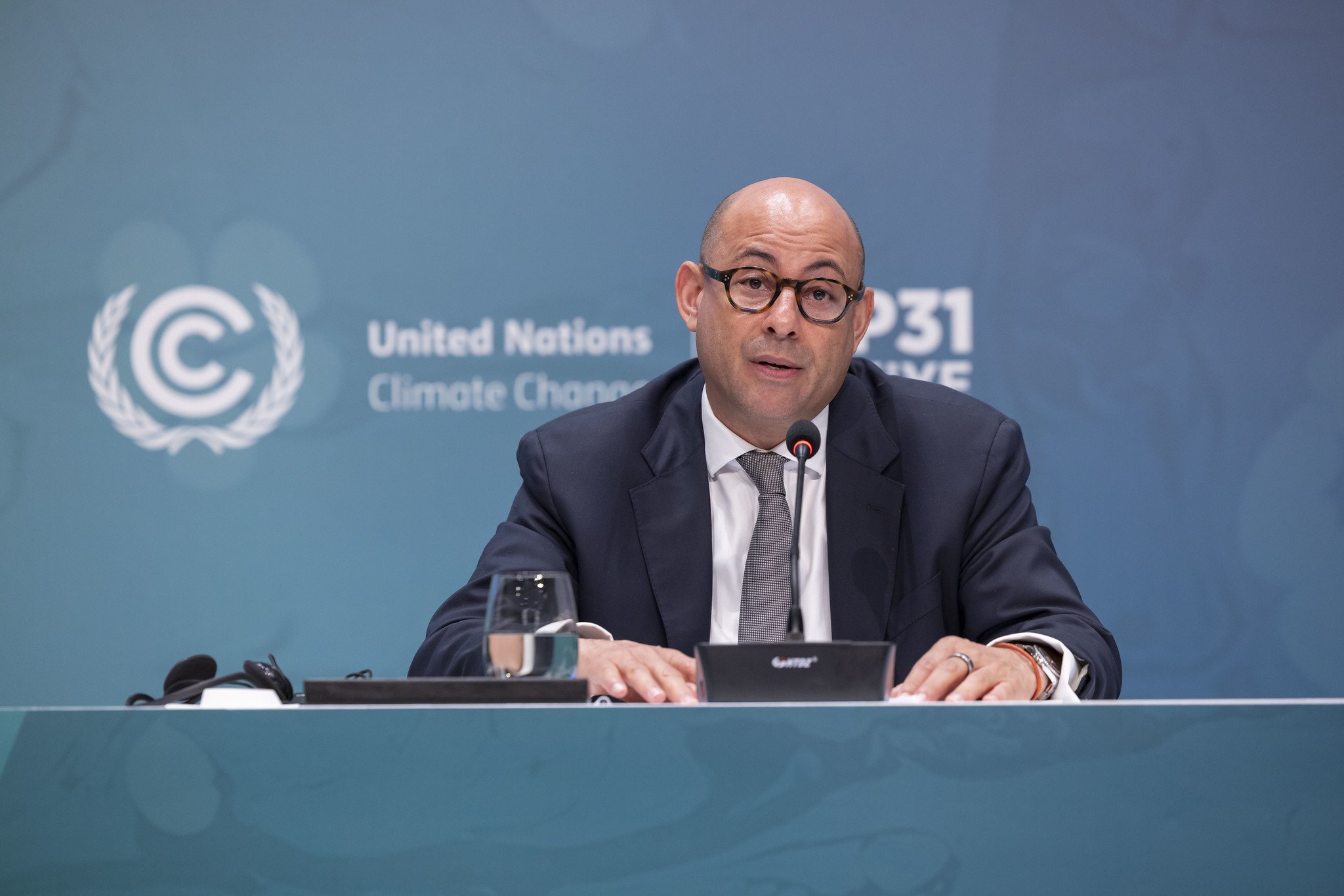
The Petersberg Climate Dialogue convened this Tuesday in Berlin, gathering senior ministers and climate negotiators from dozens of countries in what has become one of the most consequential preparatory forums ahead of the annual UN climate summits. Hosted by the German government since 2010, the dialogue serves as an informal but influential space where political signals are tested before they reach the formal negotiating floor. This year's edition carries added weight as countries face mounting pressure to translate financial pledges into disbursements and to present credible updates on their nationally determined contributions under the Paris Agreement.
Brazil's delegation arrived in Berlin carrying what observers have described as an "expired promise" — a shorthand for the persistent gap between the country's international environmental rhetoric and the pace of domestic implementation. The characterization is pointed but not without basis. Brazil has long positioned itself as a natural steward of global climate governance, leveraging the Amazon rainforest's ecological significance and its renewable energy matrix as diplomatic assets. Yet the distance between pledges made at successive COPs and the policy machinery required to honor them has become increasingly difficult to paper over.
The Architecture of a Credibility Problem
The tension facing Brazil in Berlin is not unique to this government or this moment. It reflects a structural pattern in climate diplomacy among major emerging economies: ambitious targets announced at multilateral summits, followed by slower, more contested processes of domestic legislation, budget allocation, and enforcement. Brazil's case is distinctive, however, because of the scale of what is at stake. The Amazon basin alone represents a variable so large in global carbon accounting that Brazilian policy choices carry systemic implications for the entire Paris framework.
Deforestation rates, land-use regulation, and the enforcement capacity of environmental agencies have fluctuated significantly across successive administrations. Each shift recalibrates international confidence in Brazil's stated trajectory. The result is a credibility cycle: strong diplomatic commitments generate goodwill, implementation delays erode it, and the next round of negotiations begins with a deficit that must be overcome before new ground can be broken. For the Brazilian delegation in Berlin, the task is less about making new promises and more about demonstrating that existing ones remain operative.
Berlin as a Litmus Test for Emerging Economy Commitments
The Petersberg Dialogue has historically functioned as a barometer for the political appetite behind formal climate targets. Unlike the COPs themselves, where procedural complexity and bloc negotiations can obscure individual country positions, the Berlin format encourages more candid exchanges between ministers. That informality cuts both ways: it allows for creative problem-solving, but it also exposes gaps between rhetoric and readiness that might otherwise remain hidden behind communiqué language.
For Brazil, the dialogue arrives at a moment when several large developing nations face similar scrutiny. The broader question — whether major emerging economies can convert high-level consensus into actionable domestic change — is not Brazil's alone to answer, but Brazil's visibility in the climate space means its performance is watched as a proxy for the group. A credible showing in Berlin would signal that the country's environmental diplomacy retains substance behind the symbolism. A defensive posture, by contrast, risks reinforcing the narrative that its commitments have reached their expiration date.
What remains to be seen is whether the political capital Brazil has accumulated through decades of climate engagement is sufficient to buy time for implementation to catch up with ambition — or whether the patience of partners and the pace of ecological change have made that gap untenable. The answer may not come in Berlin, but the signals exchanged there will shape the terms on which the question is posed at the next COP.
With reporting from Exame Inovação.
Source · Exame Inovação