The Lake District National Park Authority (LDNPA) has opened a competition seeking an architect to redesign the public toilets at Waterhead Car Park in Ambleside, one of the most visited gateway points to the Lake District. Proposals are due by May 22, 2026, according to a listing published by the Architects Journal.
The brief calls for rethinking the existing facilities to meet contemporary standards — a scope that, while modest in square footage, sits at the intersection of several pressures facing national parks across England: rising visitor numbers, tightening public budgets, and the obligation to build sensitively within protected landscapes.
Public Infrastructure in Protected Landscapes
Public toilet provision may lack the glamour of a cultural pavilion or a visitor centre, but it is among the most consequential pieces of infrastructure a national park manages. Inadequate or deteriorating facilities affect visitor experience, environmental quality, and the willingness of local authorities to maintain open access to popular sites. Across the United Kingdom, hundreds of public toilets have closed over the past two decades as councils have sought to reduce operating costs, a trend that has drawn criticism from accessibility advocates and tourism bodies alike.
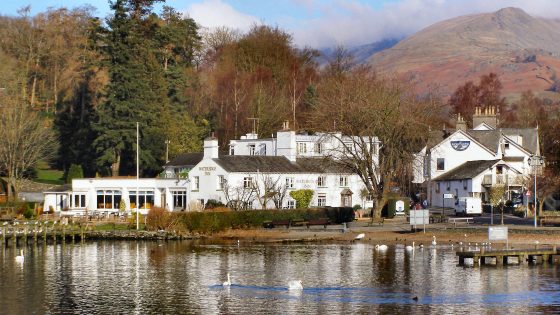
The Lake District, designated a UNESCO World Heritage Site in 2017, faces a particular version of this challenge. The park attracts millions of visitors annually, and sites like Waterhead — located at the northern tip of Lake Windermere — absorb heavy foot traffic year-round. Car parks in these locations function less as simple parking lots and more as arrival thresholds, the first physical encounter a visitor has with the landscape. The quality of ancillary facilities at these points shapes perception of the park as a whole.
Ambleside itself is a compact town that serves as a base for walkers heading into the central fells. Waterhead Car Park sits at its southern edge, close to the lake shore and the steamer pier. Any architectural intervention at the site must negotiate between functional durability, environmental sensitivity, and the visual expectations that come with building inside a World Heritage buffer zone.
Design Ambition in Small Commissions
Competitions for small public buildings in scenic settings have, in recent years, produced some of the more thoughtful work in British architecture. Modest briefs — a shelter, a lookout, a changing facility — can become opportunities to test material strategies, explore low-carbon construction, and demonstrate that civic design need not be reserved for large budgets. Projects of this scale also tend to attract emerging practices, for whom a completed public building in a high-profile location carries reputational value disproportionate to the fee.
The LDNPA's decision to run an open call rather than a direct appointment signals at least some appetite for design quality beyond the minimum functional specification. How far that ambition extends — whether the authority is prepared to support genuinely inventive proposals or is primarily seeking a competent replacement of aging infrastructure — will become clearer as the process unfolds.
There is a tension worth watching. National park authorities operate under planning frameworks that emphasize conservation and visual harmony with existing character. Architects responding to the brief will need to reconcile any desire for formal expression with the reality that planning committees in protected landscapes tend to favor restraint. The most successful precedents in comparable settings have typically found distinction through material honesty and careful siting rather than conspicuous form.
Whether the Waterhead commission produces a building that advances the conversation about public architecture in national parks, or simply delivers a serviceable replacement, depends on the ambition the LDNPA is willing to back — and the ingenuity of the practices that respond.
With reporting from Architects Journal.
Source · Architects Journal