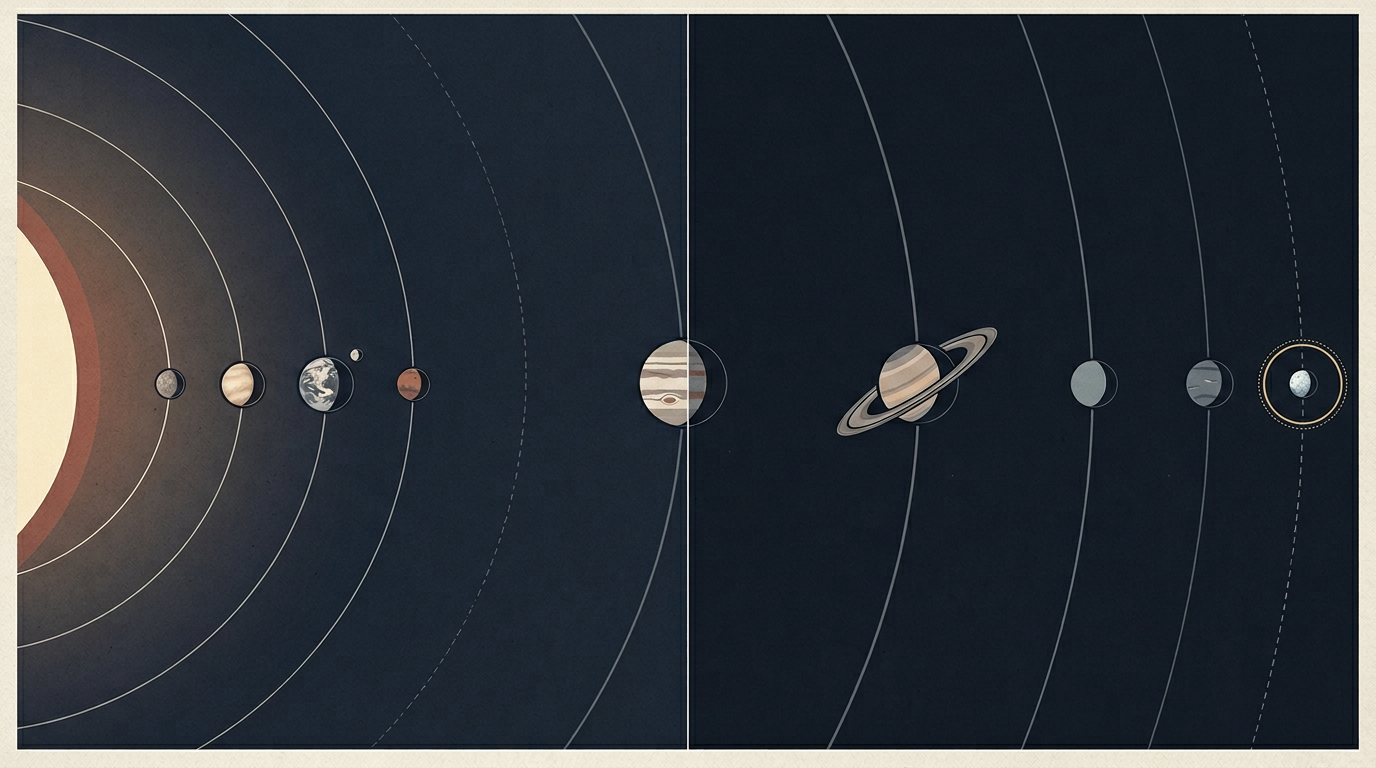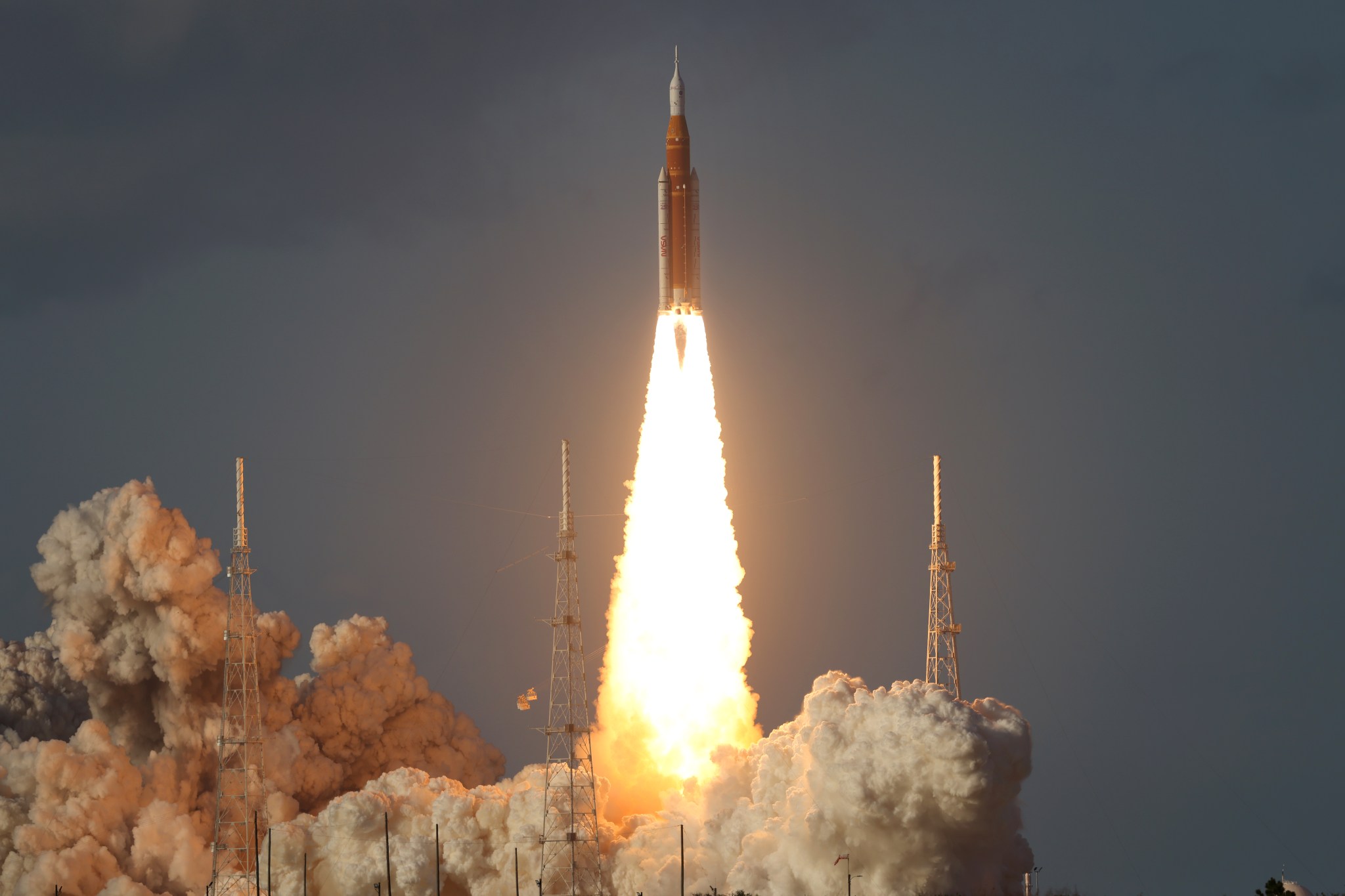
The successful splashdown of NASA's Orion spacecraft off the coast of San Diego on April 10 marked the conclusion of a 694,481-mile journey around the Moon — and the first crewed lunar-distance flight since Apollo 17 in 1972. For engineers at the Kennedy Space Center, however, the mission has transitioned from a feat of orbital mechanics to a granular forensic exercise. Initial assessments of the Space Launch System (SLS) and the Orion capsule suggest that the hardware performed within expected parameters, signaling a steady progression toward the more ambitious lunar surface missions slated for the coming years.
A primary focus of the post-flight analysis is the spacecraft's thermal protection system. During reentry, Orion hit Earth's atmosphere at nearly 35 times the speed of sound, subjecting its heat shield to extreme thermal stress. Preliminary inspections and diver imagery indicate that the "char loss" behavior — an unexpected erosion of the heat shield material observed during the uncrewed Artemis I mission — was significantly reduced in both quantity and size. This stabilization of the shield's material integrity is a vital technical prerequisite for the safety of future crews.
Why the heat shield matters more than anything else
The char loss issue first surfaced after Artemis I returned to Earth in December 2022. Engineers discovered that sections of the Avcoat ablative material — a composite designed to burn away in a controlled fashion, dissipating heat in the process — had shed in larger and less predictable chunks than thermal models had anticipated. The phenomenon triggered an extended investigation that contributed to schedule adjustments across the Artemis program. Without confidence in the heat shield's behavior at lunar-return velocities, no crewed mission beyond low Earth orbit could responsibly proceed.
The distinction matters because lunar reentry is a fundamentally different engineering problem from the reentries performed by vehicles returning from the International Space Station. Orbital velocity from low Earth orbit is roughly 17,500 miles per hour; a spacecraft returning from the Moon arrives at approximately 25,000 miles per hour. That difference translates into substantially higher thermal loads concentrated over a shorter window. The Apollo program solved this problem with its own ablative shield technology in the 1960s, but Orion's larger diameter and different material composition meant the solution could not simply be inherited.
The reduction in char loss observed after Artemis II suggests that whatever combination of material refinements, manufacturing adjustments, or trajectory management NASA applied between the two flights has moved the thermal protection system closer to its design intent. For the Artemis program's credibility, this is arguably the single most consequential data point to emerge from the mission.
From validation flight to operational architecture
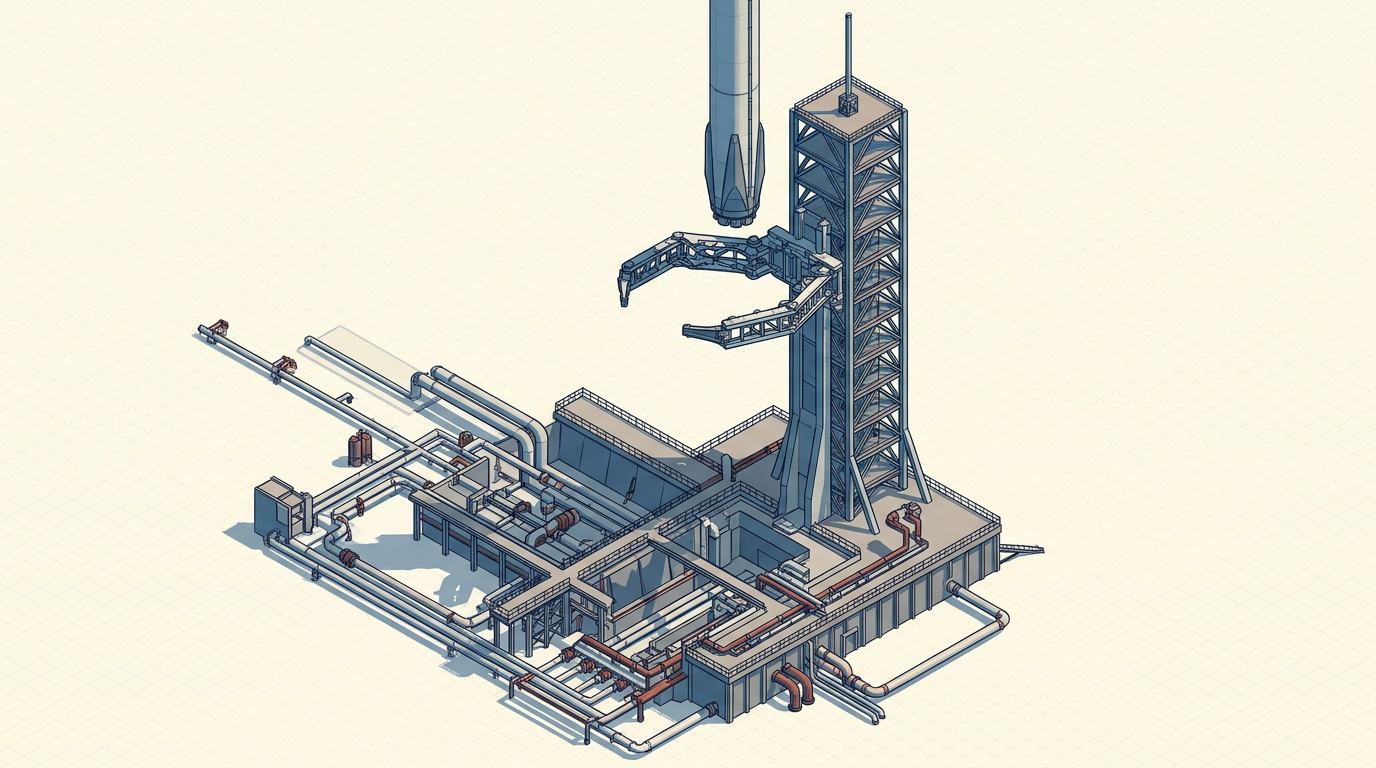
The data gathered from Artemis II serves as the foundational validation for Artemis III, which aims to return humans to the lunar surface. Beyond the capsule's resilience, NASA is evaluating the performance of ground systems at Launch Complex 39B and the SLS rocket's flight telemetry. By refining these systems through iterative testing, the agency is establishing the logistical framework required for a permanent lunar presence and the eventual transit to Mars.
This iterative approach mirrors the logic that governed the early Space Shuttle program and, more recently, the commercial crew development process that produced SpaceX's Crew Dragon. Each flight generates a dataset that either confirms assumptions or forces redesign. Artemis II, as the first crewed flight of both SLS and Orion, carried an outsized burden of proof: it needed to demonstrate not only that the vehicle could keep astronauts alive during a deep-space transit, but that the ground infrastructure — from the mobile launcher to mission control protocols — could support a cadence of increasingly complex missions.
The question now is whether the program can convert technical validation into operational momentum. Artemis III depends on additional elements beyond NASA's direct control, including a lunar lander and surface systems that involve separate development timelines and contractual relationships. A clean bill of health for Orion and SLS removes one layer of uncertainty, but the architecture as a whole remains a multi-vendor, multi-year assembly problem. The heat shield may be holding — the harder test is whether the program's institutional and industrial scaffolding can hold with equal reliability.
With reporting from NASA Breaking News.
Source · NASA Breaking News