NZI Architectes Converts Paris Parking Garage into Short-Term Housing
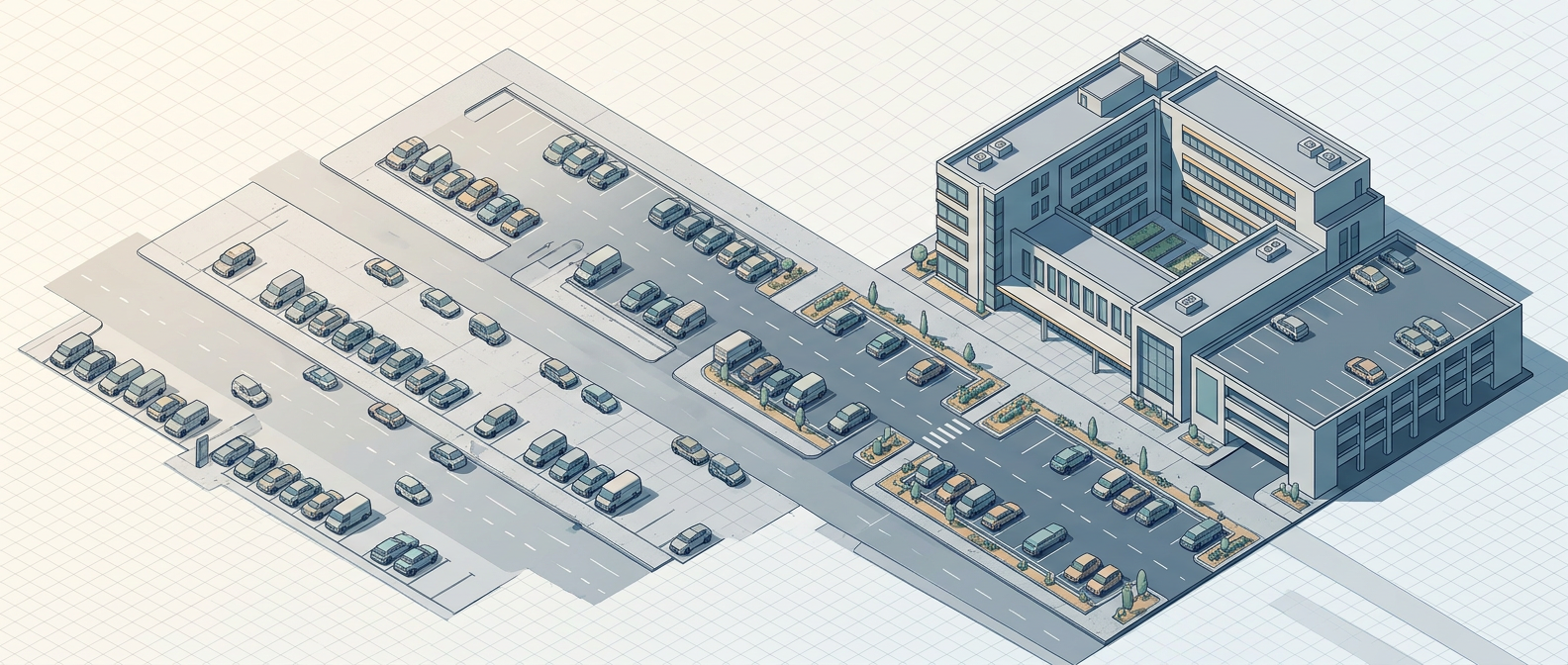
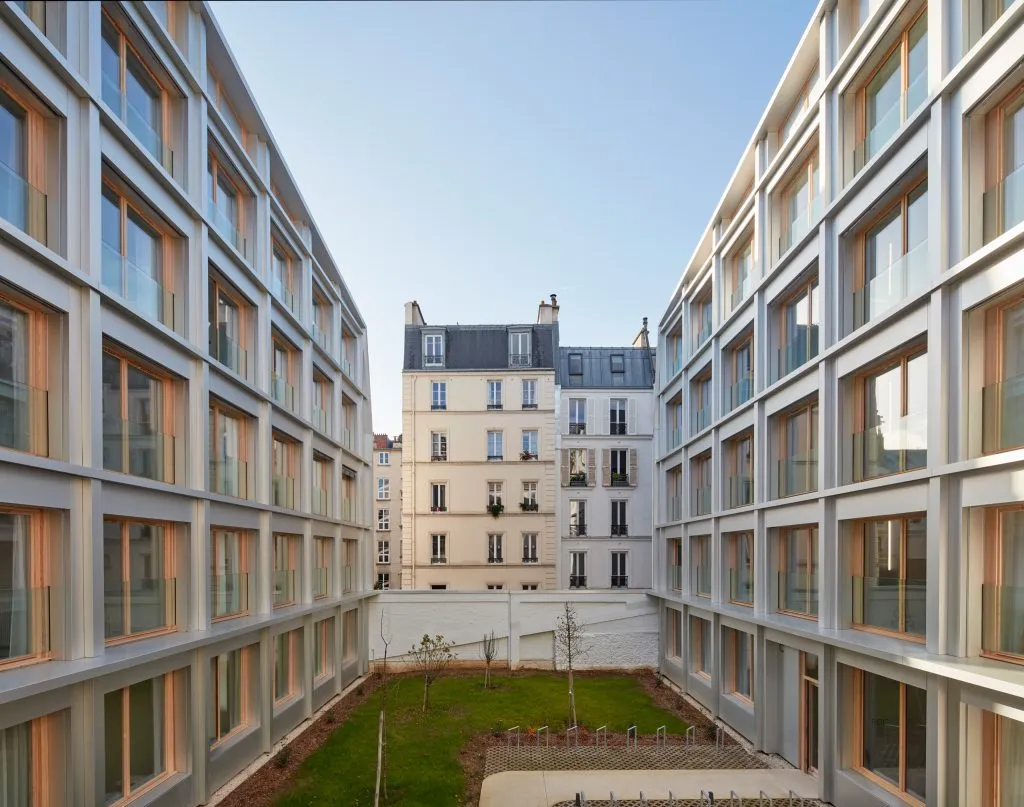
In Paris, NZI Architectes has completed the transformation of a multistorey car park into affordable short-term housing. The project, titled Parallel Park, represents a notable change of course in the city's approach to urban development and existing infrastructure. By repurposing a structure originally designed for vehicles into residential units, the intervention addresses the persistent need for accessible living spaces within the French capital — and signals a broader rethinking of what existing urban structures are for.
Adaptive Reuse and the Logic of Conversion
The conversion of parking garages into habitable space is not without precedent, but it remains uncommon at this scale in a city as architecturally regulated as Paris. Multistorey car parks, built in large numbers across European cities during the postwar automobile boom, occupy valuable urban land and often sit underutilized as car ownership patterns shift. In Paris specifically, municipal policy over the past decade has moved decisively toward reducing private vehicle use — expanding cycling infrastructure, restricting traffic in central arrondissements, and gradually shrinking the supply of on-street parking. The logical consequence is a growing inventory of automotive infrastructure with diminishing purpose.
Adaptive reuse — the practice of repurposing buildings for functions other than those for which they were originally designed — has gained traction across European cities as both an environmental and economic strategy. Demolishing and rebuilding carries significant embodied carbon costs. Retaining a structure's shell while reconfiguring its interior can reduce material waste and construction timelines, though it introduces its own set of constraints: floor-to-ceiling heights designed for vehicles rather than people, ventilation systems built for exhaust fumes rather than habitation, and structural grids that resist conventional residential layouts. How NZI Architectes navigated these constraints in Parallel Park speaks to a growing body of architectural expertise in making such conversions viable.
The short-term housing designation is itself significant. Paris faces acute pressure not only on its permanent housing stock but also on transitional accommodation — housing for people in professional mobility, those awaiting longer-term placements, or individuals in precarious situations who need stable shelter without the commitment of a traditional lease. Short-term affordable housing occupies an awkward gap in most cities' provision, too temporary for conventional social housing programs and too mission-driven for the private rental market.
Urban Policy as Architectural Brief
Parallel Park sits within a broader pattern of French urban policy that has increasingly treated the existing built environment as raw material rather than fixed infrastructure. Several French municipalities have explored or executed conversions of office buildings, commercial spaces, and industrial sites into residential use, driven partly by post-pandemic shifts in how space is occupied. The regulatory framework in France has evolved to accommodate such projects, though navigating building codes designed for new construction remains a persistent challenge for adaptive reuse.
What makes the parking garage typology distinctive is its ubiquity and its symbolic weight. The multistorey car park is among the most purely functional structures in any city — designed without aesthetic ambition, built for throughput, and associated with noise, fumes, and transience. Converting such a building into housing inverts its relationship to the city: from a structure that facilitates movement through a neighborhood to one that anchors people within it.
The question that projects like Parallel Park raise is whether this model can operate at scale, or whether it remains a compelling but isolated gesture. Parking structures vary enormously in their structural condition, location, and suitability for conversion. Not every car park is a housing project in waiting. The economics of conversion depend heavily on land values, regulatory support, and the willingness of municipal authorities to reclassify infrastructure.
Still, the forces driving such projects — declining car use in dense urban cores, housing shortages that show no sign of easing, and mounting pressure to reduce construction emissions — are not temporary. They point in a single direction. Whether cities treat their automotive inheritance as liability or opportunity may depend less on architectural ingenuity than on political will.
Com reportagem de Architectural Review.
Source · Architectural Review