For a new generation of job seekers, the grueling ritual of drafting cover letters and tailoring resumes has been reduced to a few keystrokes. According to recent data, more than 90 percent of students are now using artificial intelligence to bolster their applications. What used to be a week-long endeavor of self-reflection and careful phrasing can now be accomplished in seconds, fundamentally altering the entry point of the professional world.
The phenomenon is not limited to a single market or discipline. Across industries — from consulting and finance to engineering and the creative professions — entry-level candidates are feeding their academic records, internship summaries, and job descriptions into large language models and receiving polished, keyword-optimized documents in return. The tools are cheap, often free, and require no technical sophistication to operate. The barrier to a well-formatted, articulate application has effectively collapsed to zero.
The Paradox of Polished Uniformity
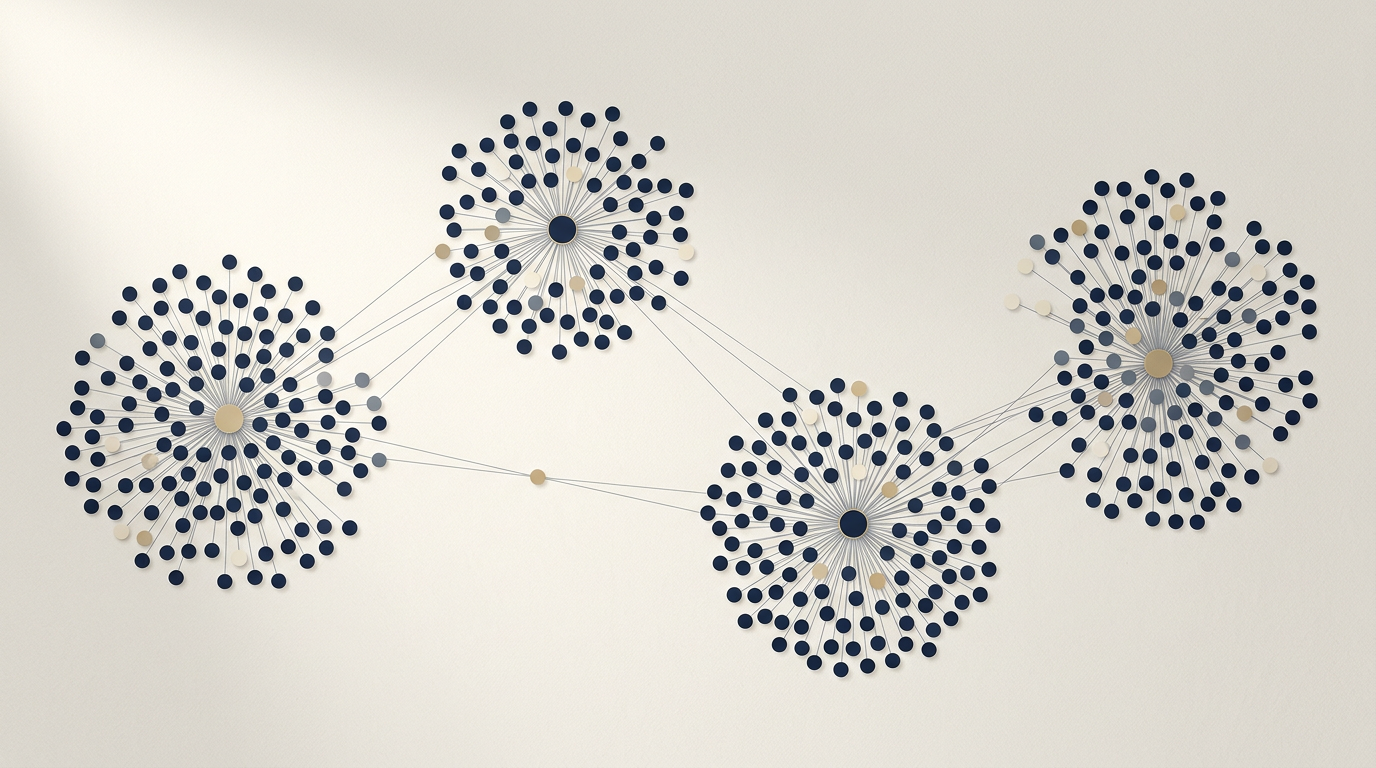
This shift toward automation has introduced a structural challenge for hiring managers: hyper-standardization. While AI tools ensure that applications are grammatically flawless and optimized for the keywords that applicant tracking systems are designed to detect, they often strip away the idiosyncratic personality that once helped candidates stand out. When every applicant uses the same underlying models to articulate their "passion for innovation" or "proven ability to work in cross-functional teams," the resulting documents become a sea of indistinguishable excellence.
The irony is notable. For decades, career advisors urged graduates to tailor each application, to demonstrate genuine knowledge of the company, to let their individual voice come through. AI makes all of that trivially easy to simulate — and in doing so, renders it meaningless as a signal. A perfectly crafted cover letter no longer indicates that a candidate spent hours researching a firm; it may indicate only that they spent seconds prompting a chatbot. The currency has been debased.
This dynamic echoes a pattern familiar in other domains where technology democratizes access to a previously scarce skill. When desktop publishing made professional-looking design available to everyone, the design itself stopped functioning as a differentiator. When spell-checkers became ubiquitous, flawless spelling ceased to signal diligence. Each time, the evaluative weight shifted elsewhere. The job market appears to be undergoing a similar recalibration.
The Interview as the New Front Line
In response, human resources departments are being forced to pivot. With the written application losing its utility as a signal of individual effort or character, the emphasis is shifting back to the interview room. Recruiters are developing new methods to probe for authenticity — behavioral questions, live problem-solving exercises, impromptu writing tasks — seeking to verify that the person sitting across from them possesses the skills and temperament so elegantly described by their digital ghostwriters.
The adjustment is not without friction. Interviews are expensive in time and human attention. If the written stage of the hiring funnel can no longer filter effectively, the volume of candidates reaching the interview stage may increase, compressing the time available for each. Some organizations may respond by adding new screening layers — video assessments, timed technical challenges, or portfolio reviews — that are harder to delegate to a language model. Others may lean further into referrals and networking, channels where personal reputation still carries weight.
There is also a question of equity. AI-assisted applications arguably level the playing field for candidates who lack access to expensive career coaching or who are writing in a second language. If recruiters respond by weighting unstructured interviews more heavily, they risk reintroducing the very biases — around social fluency, cultural fit, and presentation style — that standardized written applications were partly designed to mitigate.
The labor market now sits at an uncomfortable intersection: the tools that make applications more accessible also make them less informative, and the countermeasures that restore signal may erode fairness. How employers, candidates, and regulators navigate that tension will shape not just hiring practices but the broader relationship between credentialing and capability in an AI-saturated economy.
With reporting from Le Monde Pixels.
Source · Le Monde Pixels