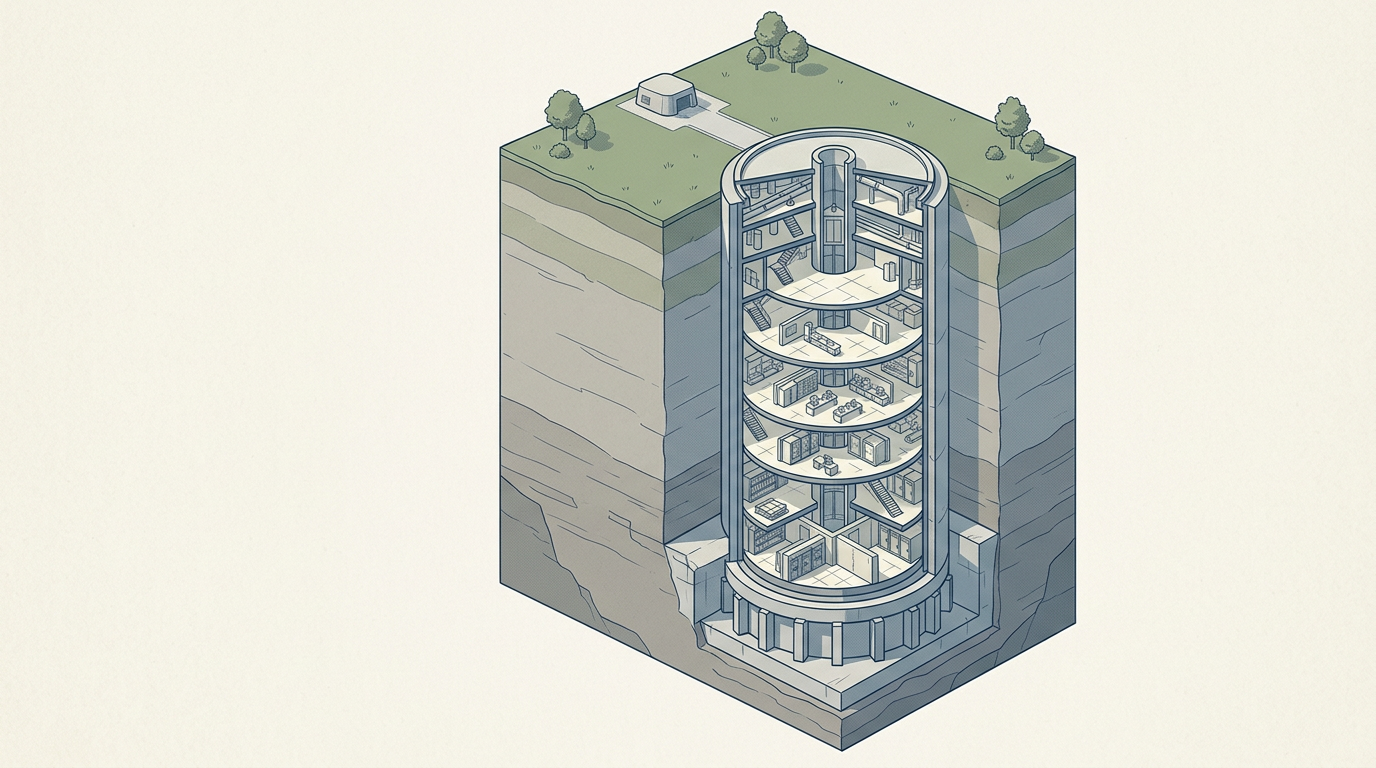
Apple TV+'s Silo, the critically acclaimed adaptation of Hugh Howey's dystopian trilogy, has long traded on the claustrophobia of its central setting — a massive underground structure where 10,000 people live under a strict, opaque social contract. The series explores the fragility of historical memory in a closed system, where the recorded past only stretches back 140 years and the world outside is presented as a toxic wasteland visible only through surveillance screens.
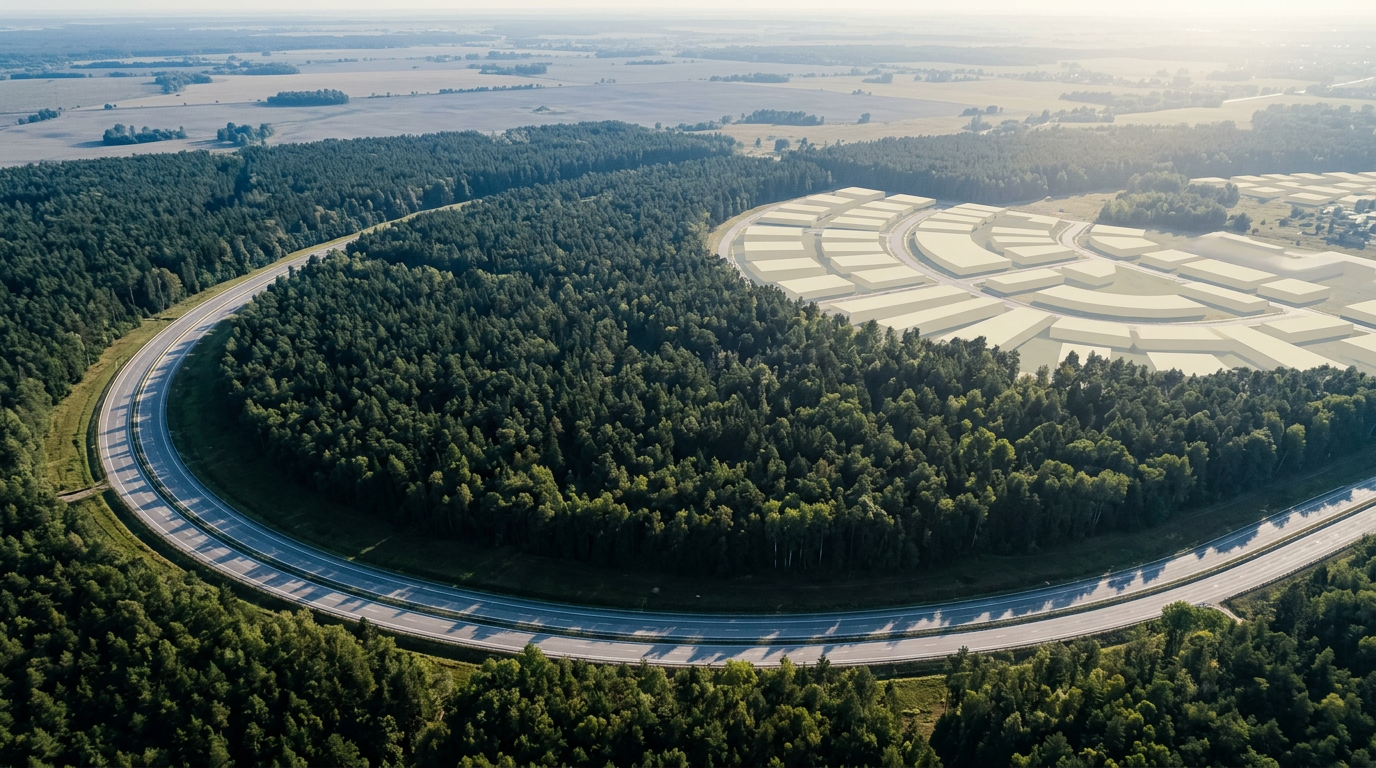
A new teaser for the show's third season suggests a shift in perspective. Rather than moving forward from the second season's cliffhanger, the footage rewinds, offering a brief, jarring glimpse of a verdant, pre-apocalyptic past. The move signals that the narrative will further examine the origins of the silo's engineering and the specific, perhaps catastrophic, choices that led to its inhabitants' subterranean confinement centuries prior.
The Architecture of Forgetting
The decision to turn the camera backward rather than forward is a structural choice worth examining. Across its first two seasons, Silo built dramatic tension almost entirely through spatial constraint. The 144-floor underground tower functions not just as a setting but as an epistemological prison: residents know only what the silo's architecture and governance allow them to know. Information is stratified by floor, with mechanical workers at the bottom and administrative authority near the top. The physical layout mirrors the information hierarchy — a design principle that echoes real-world examples of how built environments shape social control, from Jeremy Bentham's panopticon to the compartmentalized floor plans of Cold War intelligence agencies.
Hugh Howey's source novels, beginning with Wool in 2011, gained traction in part because they arrived during a period of renewed public interest in survivalist fiction and institutional distrust. The books asked a question that resonated beyond genre: what happens to a society that has been deliberately severed from its own origins? The television adaptation, developed by Graham Yost, has sharpened that question by leaning into visual storytelling — the grime of the lower levels, the sterile control rooms, the haunting exterior shots of a dead landscape. Introducing a lush, green world into that visual vocabulary is not merely a plot device. It reframes everything the audience has seen by providing a point of contrast that the characters themselves have been denied.
The tension of the series remains anchored by the "Pact," the set of rules governing the community's survival. The most chilling of these is the ritual of the "cleaning," where those who express a desire to leave are sent outside in environment suits to wipe the camera lenses before inevitably succumbing to the atmosphere. By teasing a world before the decay, the series deepens its investigation into the design of a society built on the erasure of its own history.
Origin Stories as Political Acts
Science fiction has a long tradition of using origin reveals as inflection points. The moment a closed society confronts its founding myth — whether in Ursula K. Le Guin's The Ones Who Walk Away from Omelas or in the broader arc of the Fallout franchise — the narrative shifts from survival to accountability. Who built this system? Who decided what would be remembered and what would be erased? These are not abstract questions in Silo; they are the engine of its plot.
The teaser's glimpse of a pre-silo world raises a particular tension that the third season will need to navigate carefully. Revealing too much of the past risks deflating the mystery that has sustained audience engagement. Revealing too little risks the frustration that plagues many serialized shows built on delayed disclosure. The balance between mythological depth and narrative momentum is notoriously difficult to maintain — a challenge familiar to anyone who followed Lost or Westworld through their later seasons.
What makes Silo a distinctive entry in this lineage is its focus on infrastructure as ideology. The silo is not just a shelter; it is an argument about what a society needs to forget in order to function. Whether the third season can sustain that argument while opening the aperture to include the world above ground — and the world before — remains the central question. The green past shown in the teaser is not simply backstory. It is evidence, and the series now faces the challenge of letting its characters — and its audience — decide what verdict it supports.
With reporting from Ars Technica.
Source · Ars Technica