In the Brazilian interior, the city of Catalão is rewriting the standard script for regional development. Long known for its mineral wealth, the mid-sized municipality in Goiás has climbed to the third spot in the state's industrial value-added rankings — a position that places it among the most productive urban economies in one of Brazil's fastest-growing agricultural and industrial states. What distinguishes Catalão is not merely its growth, but the rare coexistence of three distinct industrial pillars: mining, automotive manufacturing, and chemical production.
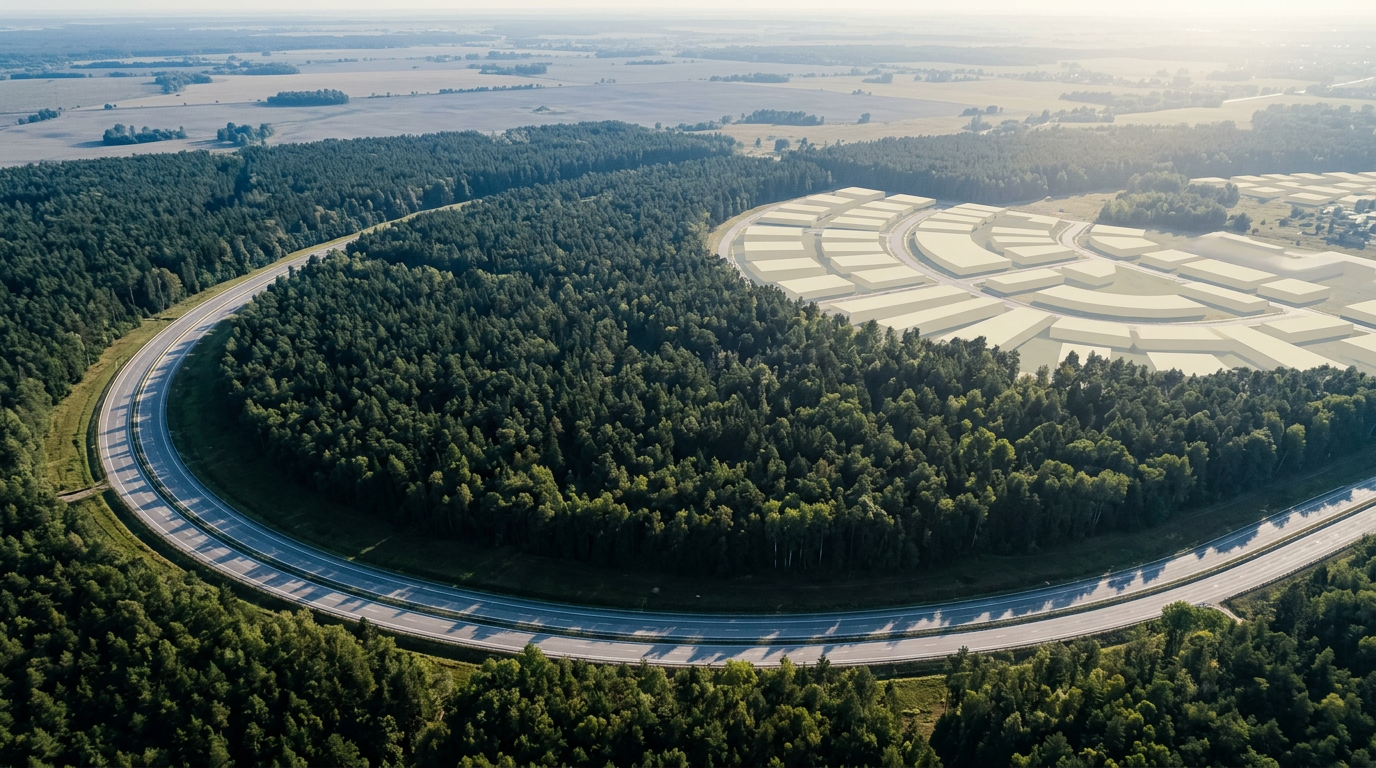
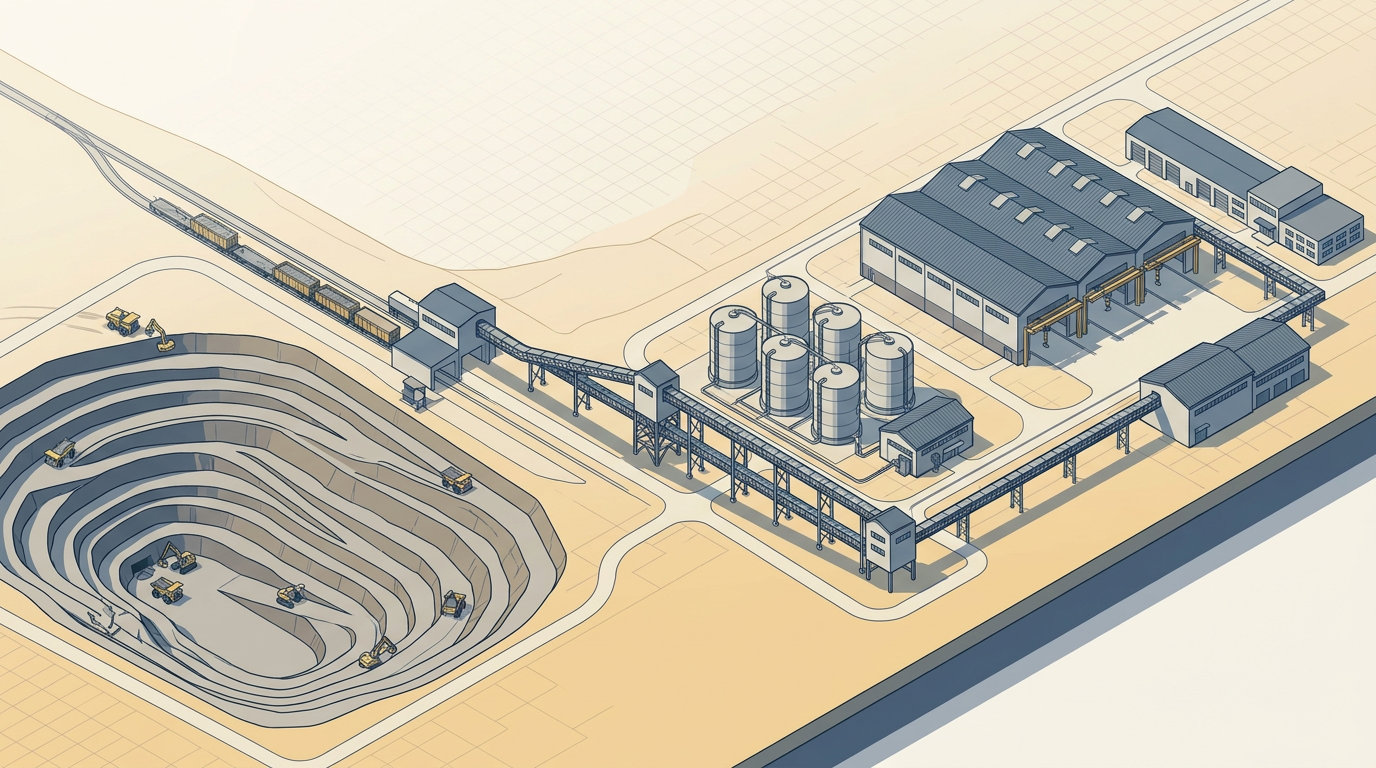
The city's ascent is rooted in a fortunate geological legacy. Decades of mineral extraction — particularly of niobium and phosphate, resources for which the region has long been recognized — provided the initial infrastructure and capital that anchored the local economy. That extractive base attracted investment in logistics, energy, and workforce training, creating conditions that would later prove essential for diversification.
From extraction to assembly: the logic of industrial layering
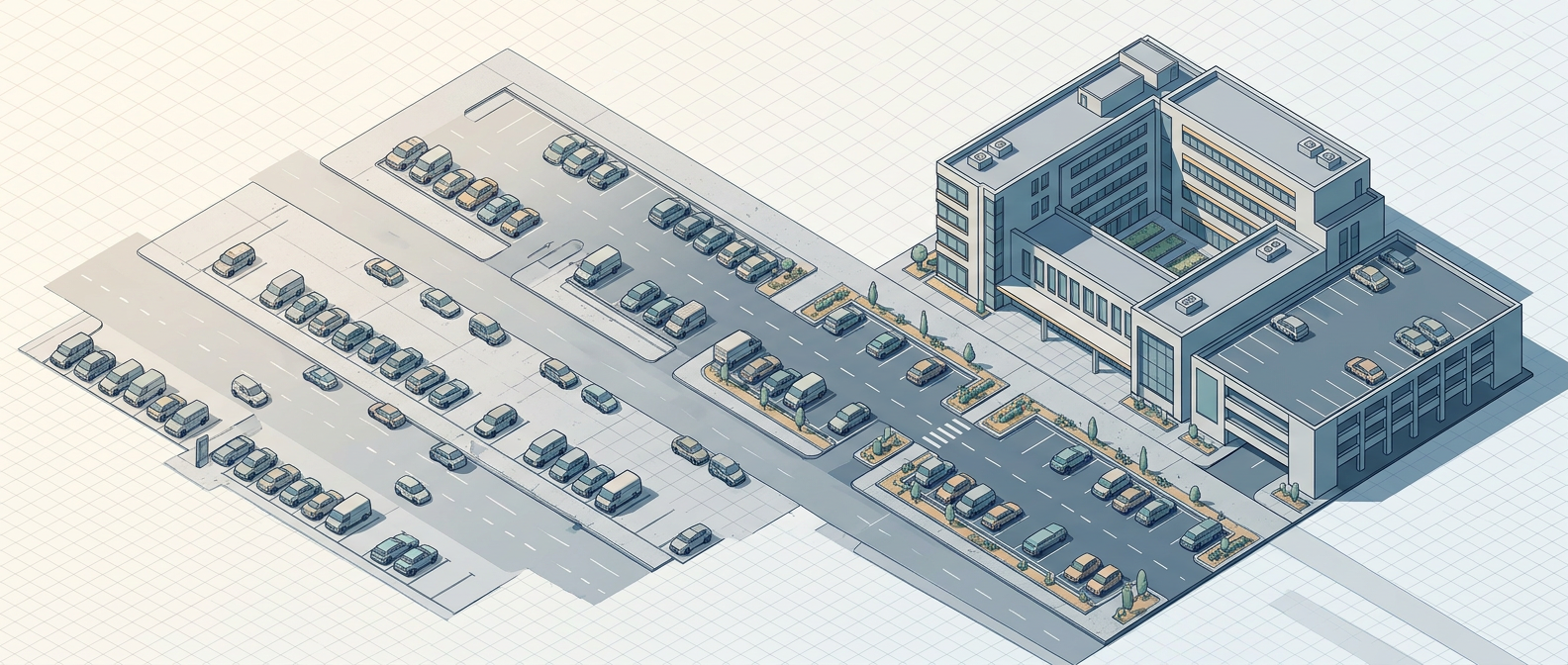
Unlike many resource-rich regions that suffer from over-specialization — a pattern well-documented across Latin America's mining corridors — Catalão successfully pivoted toward advanced manufacturing. The arrival of major automotive assembly operations transformed the city into a strategic node for the Brazilian transport sector, linking it to national and international supply chains that extend well beyond the state of Goiás.
The chemical industry added a third dimension. Chemical production in Catalão draws in part on inputs related to the mining sector, creating vertical linkages that reduce transportation costs and increase local value capture. This kind of industrial layering, where one sector's output feeds into another's input, is a textbook mechanism for building regional economic resilience. It echoes, in miniature, the logic that drove industrialization in places like South Korea's Ulsan or Germany's Ruhr Valley — cities where heavy industry, manufacturing, and chemical processing developed in proximity and mutual dependence.
The result is an economic ecosystem less vulnerable to the price swings of any single commodity. When global mineral prices decline, automotive and chemical revenues provide a buffer. When automotive demand softens, the extractive base continues to generate export income. The diversification is not merely statistical; it is structural, embedded in the physical infrastructure and labor markets of the city.
What Catalão signals for Brazil's interior economies
Brazil's economic geography has historically been defined by coastal concentration. São Paulo, Rio de Janeiro, and the southern industrial belt have long dominated manufacturing output, while interior cities served primarily as commodity exporters — soybeans from Mato Grosso, iron ore from Minas Gerais, cattle from Goiás. Catalão's trajectory challenges that division of labor.
The city's model suggests that interior municipalities with geological advantages can, under the right conditions, develop manufacturing complexity that rivals coastal hubs. The conditions, however, are not trivial: they require sustained infrastructure investment, a labor force capable of operating across sectors of varying technical sophistication, and a degree of institutional coordination between municipal, state, and federal authorities that is far from guaranteed in Brazilian governance.
Whether Catalão's convergence is replicable elsewhere in the Brazilian interior remains an open question. The city benefits from a specific combination of mineral endowment, geographic positioning along key logistics corridors, and decades of accumulated industrial capital. Other municipalities in Goiás and neighboring states may lack one or more of these ingredients. The tension between Catalão as a model and Catalão as an exception — a product of unrepeatable circumstances — is precisely what makes its trajectory worth watching.
What is clear is that the old binary between extractive interior and manufacturing coast is losing descriptive power. Catalão sits at the fault line of that shift, and the forces shaping its next chapter — commodity cycles, automotive electrification trends, chemical industry regulation, and infrastructure policy — will determine whether its industrial convergence deepens or plateaus.
With reporting from Olhar Digital.
Source · Olhar Digital