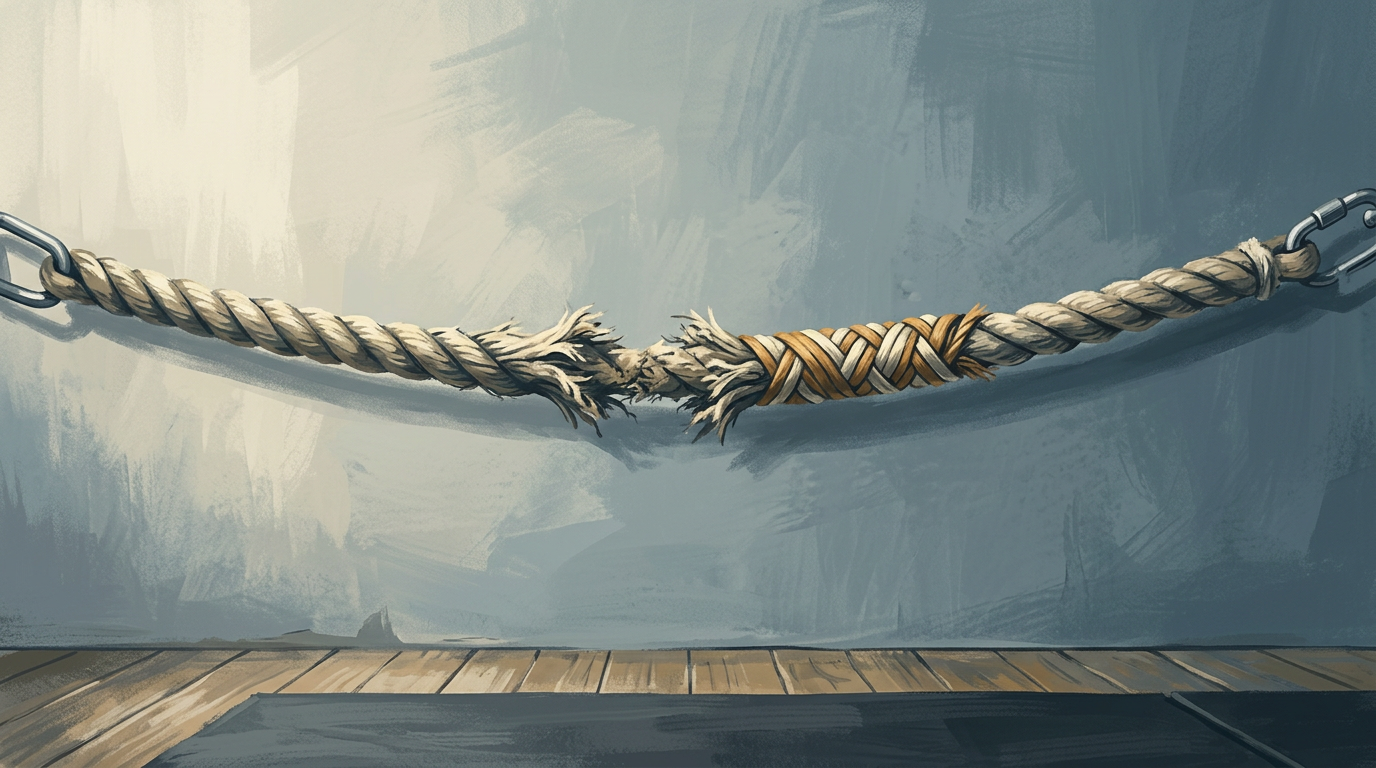
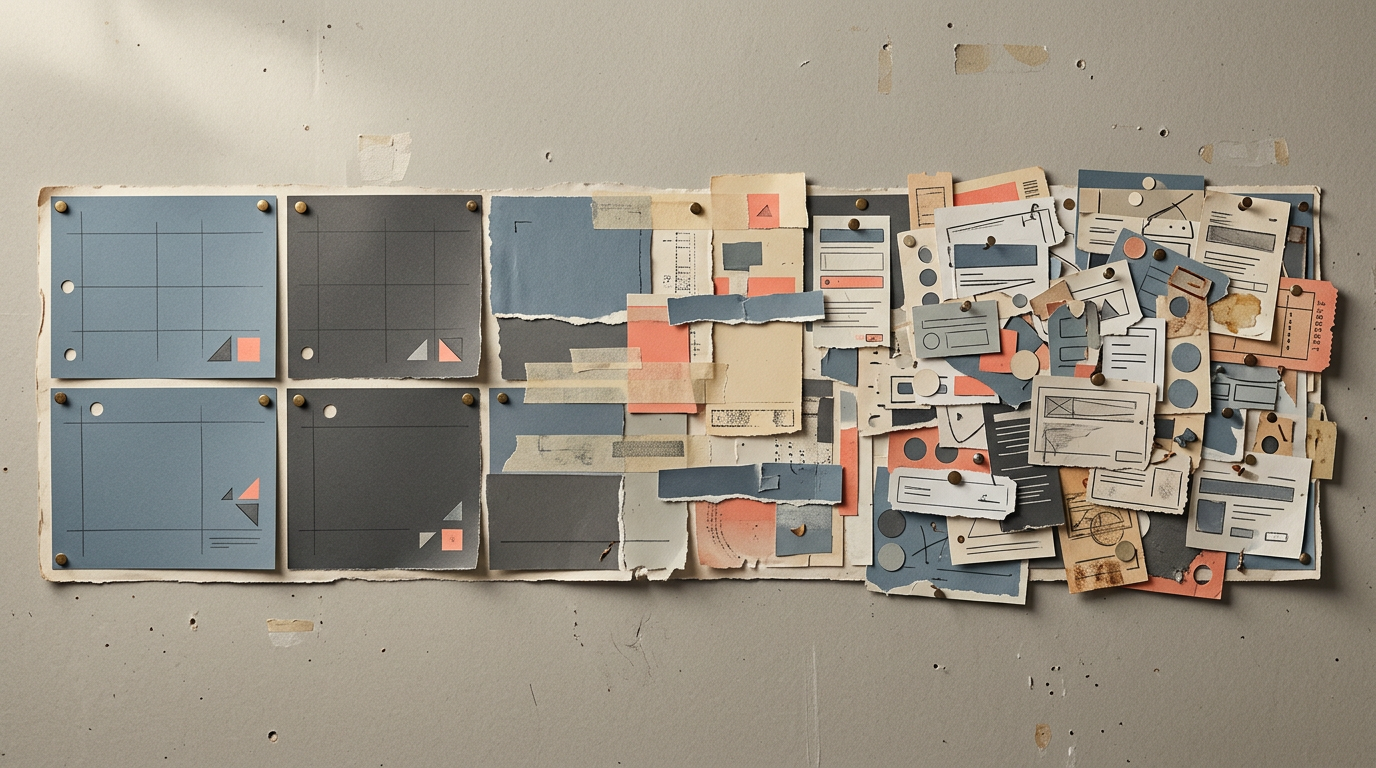
Silicon Valley’s foundational myth relies on perpetual disruption, an ethos inherited from the 1960s counterculture that birthed modern computing. Stewart Brand was the primary architect of that bridge. He organized the 1966 Trips Festival with Ken Kesey and operated the camera for Douglas Engelbart’s 1968 "mother of all demos." Yet the man who once defined the technological vanguard is now pivoting to its antithesis: maintenance. Brand’s shift from the techno-utopianism of the Whole Earth Catalog to the unglamorous work of upkeep exposes a structural flaw in the modern technology industry. His argument suggests that a culture addicted to novelty is inherently fragile, and that the future belongs not to those who break things, but to those who keep them running.
The Disposability of Disruption
The technology sector’s current operating model actively penalizes preservation. When Brand published the Whole Earth Catalog in 1968, the objective was radical self-reliance. It provided access to tools and information, a decentralized philosophy that Steve Jobs famously described as "Google in paperback form." However, the legacy of that era has mutated. The drive for continuous revolution created an ecosystem where disposability is engineered into the product cycle, stripping users of the autonomy that early computing pioneers envisioned.
The ongoing battle over the right to repair, particularly concerning John Deere tractors, exemplifies this shift from ownership to tenancy. Modern agricultural equipment is heavily restricted by proprietary software locks, preventing farmers from diagnosing or fixing their own machinery. This dynamic transforms physical ownership into a perpetual, restrictive lease. Brand’s critique targets how intellectual property frameworks and planned obsolescence have eroded the fundamental human capacity to mend the built environment.
Brand’s personal life serves as a counter-narrative to Silicon Valley's ephemeral product cycles. For over forty years, he has lived on a tugboat moored in Sausalito, California. A maritime vessel is an environment that demands constant, preventative care simply to stay afloat—a stark contrast to the disposable nature of consumer electronics. This lived experience informs his thesis that maintenance is not a mundane chore, but a foundational civilizational practice.
Artificial Intelligence and the Labor of Upkeep
As artificial intelligence accelerates the pace of software creation, the burden of maintaining legacy systems grows exponentially. Large language models can generate millions of lines of code in seconds, but the human capacity to audit, secure, and repair those sprawling codebases remains static. Brand views this inflection point through a historical lens, positioning AI not merely as a generative engine, but as a critical diagnostic tool required to manage systemic decay.
The broader technology industry’s incentive structure remains fundamentally misaligned with this reality. Venture capital disproportionately funds the creation of new platforms while ignoring the preservation of existing infrastructure. Compared to the mid-20th-century public works era—which constructed the interstate highway system and the national electrical grid with an explicit understanding of generational upkeep—modern digital architecture is alarmingly fragile. The assumption that software is weightless ignores the massive physical footprint of data centers and the material cost of server maintenance.
Embracing maintenance requires a contemplative, long-term mindset, akin to the ecological awareness Brand catalyzed in 1966 when he successfully lobbied NASA to release the first photograph of the entire Earth from space. Just as that image forced a global realization of planetary limits, the current crisis of digital and physical decay demands an acknowledgment of structural limits. We cannot endlessly deploy new systems without tending to the foundations of the old.
Brand’s evolution from the vanguard of novelty to the champion of repair represents a necessary correction for the technology sector. The true frontier is no longer solely about building the next world-eating software application; it is increasingly about sustaining the complex systems we already depend upon. If the industry cannot integrate the ethos of maintenance into its economic models, its legacy will be defined not by the brilliance of its inventions, but by the catastrophic failure of its infrastructure.
Source · The Frontier | Society