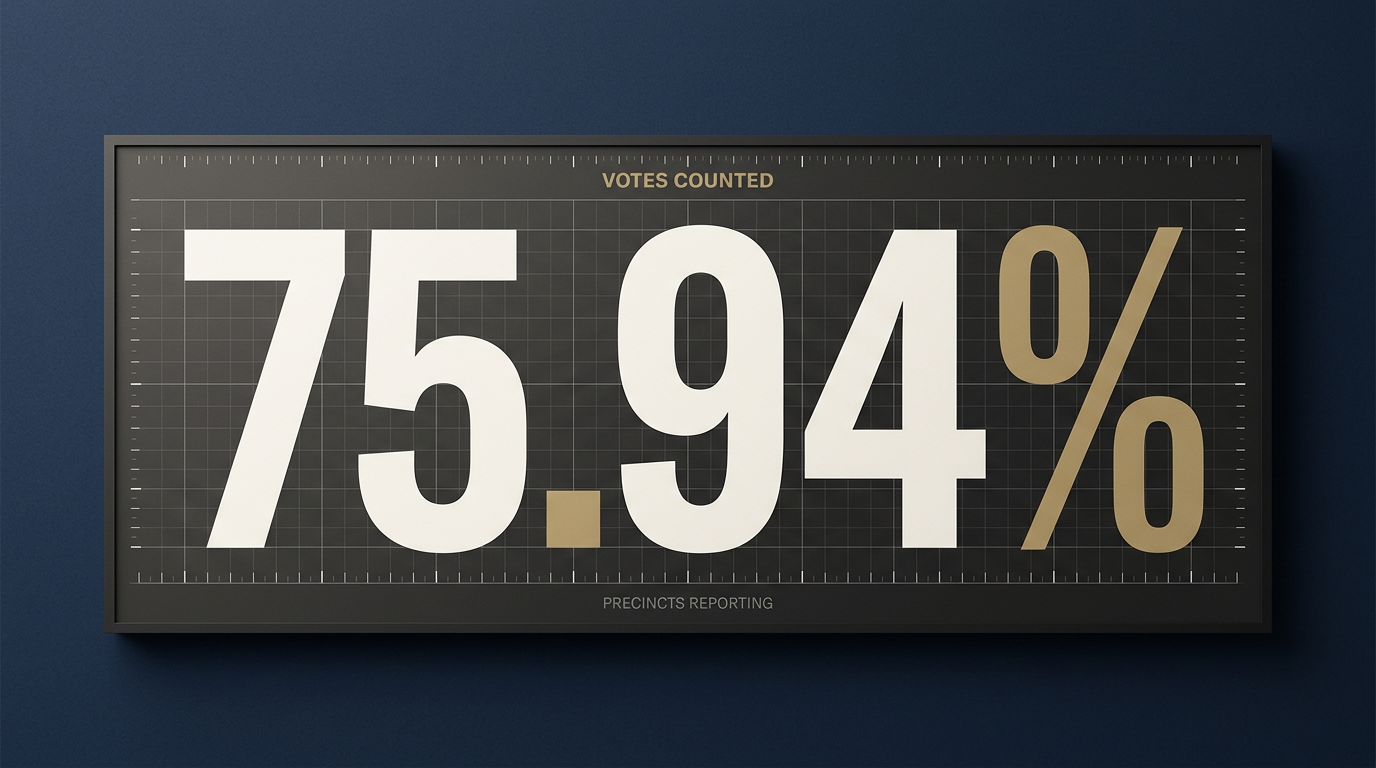
The conclusion of Big Brother Brasil 26 arrived Tuesday night with a sense of inevitability rather than suspense. Ana Paula Renault, who had maintained a steady grip on the public's attention throughout the season, was officially declared the winner. Her victory, secured with 75.94% of the total vote, represents one of the more decisive margins in the recent history of the Globo-produced franchise. In a final that pitted her against remaining housemates, the result confirmed what audience metrics had suggested for weeks: Renault's dominance was not a late-breaking phenomenon but a sustained, season-long consolidation of public favor.
In the ecosystem of Brazilian media, Big Brother Brasil functions as more than mere entertainment. Since its debut in 2002, the format — adapted from the Dutch Endemol original — has evolved into a high-stakes social barometer, a massive driver of digital engagement, and one of the most reliable revenue engines in Latin American television. Voting volumes routinely reach hundreds of millions of individual interactions per elimination round, a scale that dwarfs comparable reality franchises elsewhere in the world. The program's cultural footprint extends well beyond Globo's broadcast window, shaping trending topics, brand partnerships, and even political discourse for the duration of each season.
The mechanics of early favoritism
Renault's path to the title was characterized by what Brazilian audiences colloquially call "favoritismo" — a dynamic in which one contestant emerges as the clear frontrunner early in the competition and maintains that position through successive elimination cycles. This pattern, while not unprecedented, is notable for how difficult it is to sustain. The BBB format is designed to generate friction: confined living quarters, strategic alliances, weekly nominations, and a voting public whose loyalties can shift rapidly under the influence of social media narratives.
Historically, early favorites in the franchise have faced significant headwinds. Rival fan bases tend to coalesce against a perceived frontrunner, and producers often introduce twists — surprise nominations, returning contestants, immunity challenges — that can destabilize established hierarchies. That Renault navigated the full arc of the season without a serious erosion of support suggests a rare alignment between her on-screen persona and the prevailing mood of the voting public. Her nearly 76% share in the final vote is a margin that leaves little room for ambiguity about the depth of that alignment.
The business logic of consolidated attention
For Globo, the season's outcome is less about any individual winner than about the program's continued ability to monopolize national attention in an increasingly fragmented media landscape. Big Brother Brasil remains the network's single most valuable property for advertiser integration, with brand activations woven into challenges, house décor, and contestant routines. The format's interactive voting mechanism also generates substantial direct revenue and data on audience behavior.
The broader question the franchise faces, however, is one of diminishing novelty. Reality television formats worldwide contend with audience fatigue after two decades of iteration. BBB has countered this by recruiting contestants from an ever-wider pool — mixing anonymous civilians with public figures, digital influencers, and media personalities — a strategy that keeps the show tethered to the current attention economy. Renault's profile as a figure already known to the Brazilian public before entering the house fits squarely within this approach.
As the lights dim on the BBB 26 house, the scale of Renault's win raises a tension worth watching. A landslide victory delivers a clean narrative arc and satisfies the majority of the voting audience, but it also risks reducing the suspense that keeps casual viewers engaged week after week. Whether future seasons can engineer the kind of competitive uncertainty that sustains ratings — without undermining the organic audience dynamics that give the format its legitimacy — remains the central strategic puzzle for Globo's programming architects.
With reporting from Exame Inovação.
Source · Exame Inovação