The promise of "chemical recycling" has long been the plastic industry's favored answer to the global waste crisis. By using heat and chemicals to break down polymers into their basic molecular building blocks, companies like Freepoint Eco-Systems claim they can process materials that are otherwise unrecyclable — mixed plastics, multilayer packaging, contaminated films that mechanical recycling cannot handle. It is a vision of a closed-loop future, where plastic is not a pollutant but a perpetual resource.
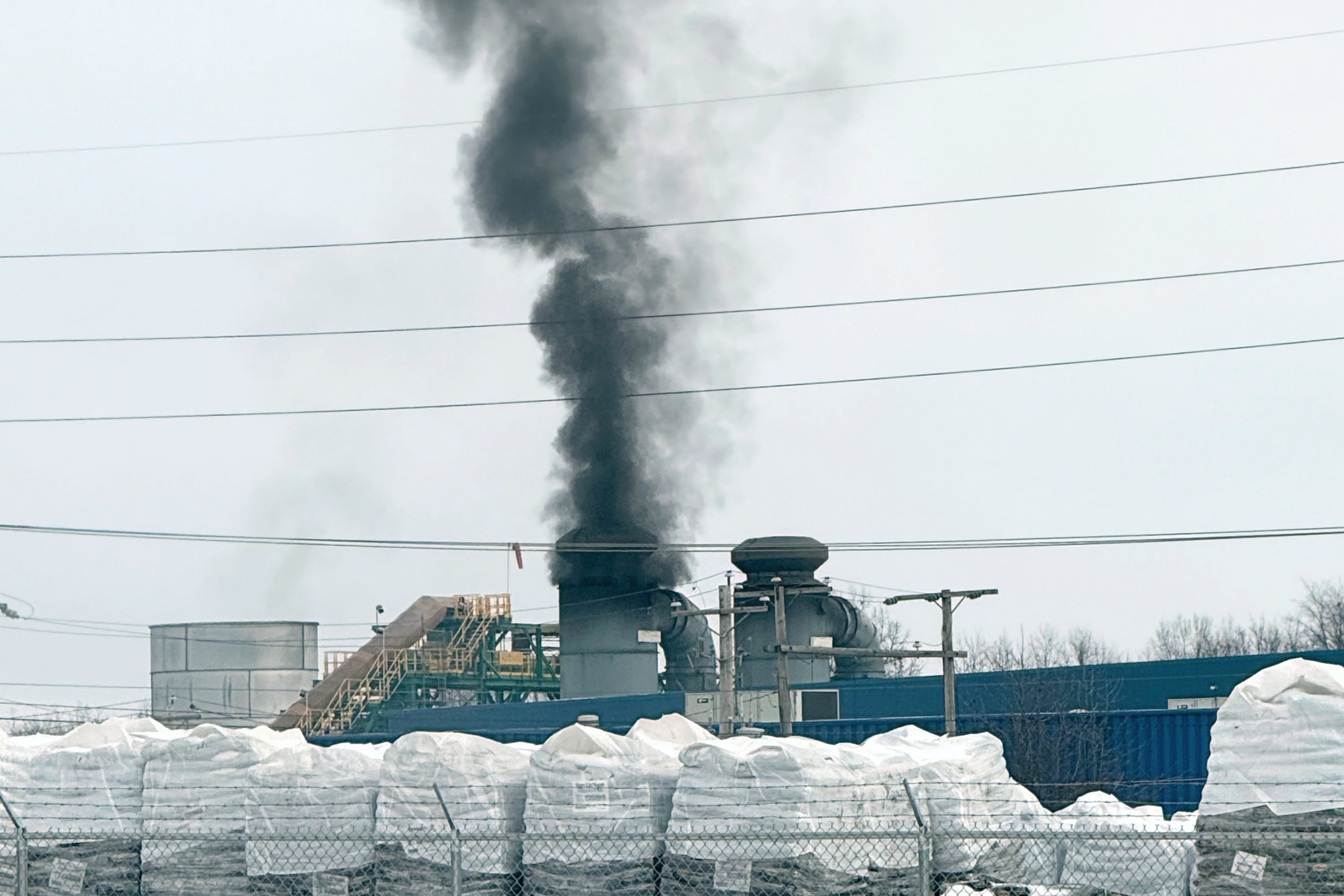
Yet the operational reality at Freepoint's facility in central Ohio has provided a more complicated picture. The plant has drawn fire for belching smoke and violating environmental regulations, fueling concerns among local residents and regulators alike. For nearby communities, the industrial output has been a visceral reminder of the gap between corporate messaging and physical impact. Against that backdrop, Freepoint is now pushing to build a second, significantly larger factory in Arizona — a plan that has attracted mounting opposition.
The Definitional Problem
The term "chemical recycling" itself sits at the center of the dispute. Industry groups use it to describe pyrolysis, gasification, and solvolysis — thermal and chemical processes that decompose plastic waste into oils, gases, or monomers that can theoretically be fed back into petrochemical supply chains. Proponents argue these technologies are essential complements to mechanical recycling, which can only handle a narrow range of clean, sorted plastic streams.
Critics, however, contend that the label functions as regulatory camouflage. Several U.S. states have passed laws reclassifying pyrolysis and similar processes as "manufacturing" rather than "waste disposal" or "incineration," a distinction that can exempt facilities from stricter air-quality permitting requirements. Environmental groups have long argued that this reclassification allows plants to operate under lighter oversight even when their emissions profiles resemble those of conventional waste-to-energy incinerators. The Ohio facility's pollution record lends weight to that argument: if a plant classified as a recycler repeatedly fails to meet emissions standards, the classification itself comes into question.
The pattern is not unique to Freepoint. Over the past decade, a number of chemical recycling ventures in North America and Europe have struggled to scale commercially while maintaining environmental compliance. Several high-profile projects have been delayed, downsized, or shuttered after encountering technical difficulties, permitting challenges, or community resistance. The gap between pilot-stage demonstrations and continuous industrial operation has proven wider than early projections suggested.
Arizona as a Test Case
Freepoint's proposed Arizona expansion arrives at a moment when the political economy of plastic waste is shifting. Global treaty negotiations on plastic pollution have kept the material's end-of-life management in the policy spotlight, and state-level debates over extended producer responsibility are intensifying across the United States. In that environment, any facility seeking permits must contend not only with local land-use concerns but with a broader public skepticism about whether the plastics value chain can credibly self-correct.
For Arizona communities near the proposed site, the Ohio track record is not an abstraction — it is the closest available evidence of how the company operates at scale. Environmental advocates opposing the project have pointed to the pollution violations as grounds for heightened scrutiny during the permitting process. The company, for its part, must demonstrate that its technology can run cleanly and continuously, a burden of proof that its existing operations have so far made heavier rather than lighter.
The tension at the heart of the chemical recycling debate is not simply technical. It is a question of institutional trust. Mechanical recycling, for all its limitations, operates within well-understood regulatory frameworks and produces observable material outputs. Chemical recycling promises greater flexibility but demands that regulators, communities, and investors accept a more complex and less transparent set of inputs and outputs — molecular transformations that are difficult to audit from the fence line.
Whether Freepoint's Arizona project advances or stalls, the case crystallizes a broader dilemma facing the green transition: when a technology's theoretical potential and its operational track record diverge, which should carry more weight in permitting decisions? The answer will shape not only the future of plastic waste management but the credibility of industrial decarbonization claims more broadly. The forces pulling in opposite directions — the genuine need for solutions to plastic pollution, and the documented risks of undertested industrial processes — remain unresolved.
With reporting from Inside Climate News.
Source · Inside Climate News