The global release of the OPPO Find X9 Ultra represents a significant strategic inflection point for the Chinese manufacturer. By bringing its most sophisticated flagship device to international markets, OPPO is moving beyond the regional dominance it has historically enjoyed in China, positioning itself directly against the established premium leaders in the smartphone space. According to recent reporting, this device is not merely an iterative update but a deliberate attempt to redefine the expectations for mobile photography, emphasizing hardware-first innovation as a primary differentiator in a saturated market.
This move comes at a time when the premium smartphone segment is facing a plateau in terms of traditional performance metrics. As mobile processors reach a point of diminishing returns for the average user, manufacturers are increasingly pivoting toward specialized hardware, particularly in imaging and optics, to justify premium price points. The Find X9 Ultra serves as a case study in this transition, utilizing high-end sensor arrays and collaborative branding to create a product that mimics the ergonomics and performance of dedicated professional cameras, thereby attempting to capture the high-end consumer segment that prioritizes creative utility over baseline utility.
The Evolution of Chinese Hardware Strategy
Historically, Chinese smartphone brands were often characterized by their focus on value-driven hardware, prioritizing price-to-performance ratios to gain market share in emerging economies. The current strategy, exemplified by the Find X9 Ultra, suggests a departure from this historical narrative. By investing heavily in proprietary imaging stacks and complex optics, these companies are shifting the competitive focus from affordability to technical superiority. This transition is not accidental; it is a calculated effort to shed the perception of 'budget' alternatives and establish brand equity in the premium tier, where profit margins are significantly higher and consumer loyalty is more resilient.
Furthermore, the integration of high-end components—such as the 200 MP sensors and specialized telephoto lenses found in the X9 Ultra—reflects a broader trend of vertical integration and strategic partnerships. By aligning with heritage brands like Hasselblad, OPPO is leveraging established prestige to bridge the trust gap with global consumers. This approach mirrors the trajectory of other major players who have successfully navigated the transition from regional manufacturers to global household names by consistently out-delivering on hardware specifications that incumbents were either too slow or too risk-averse to implement at scale.
The Mechanism of Premium Differentiation
At the core of the Find X9 Ultra’s market entry is the strategic use of hardware as a moat. In an era where software features are easily replicated via over-the-air updates or AI-driven post-processing, high-quality physical optics remain a tangible barrier to entry for competitors. The inclusion of a dedicated teleconvertor and a sophisticated camera module is a signal to the market that OPPO is targeting the 'prosumer' demographic—users who demand not just a phone, but a reliable tool for professional-grade creative work. This is a deliberate mechanism to insulate the brand from the commoditization of the mid-range market.
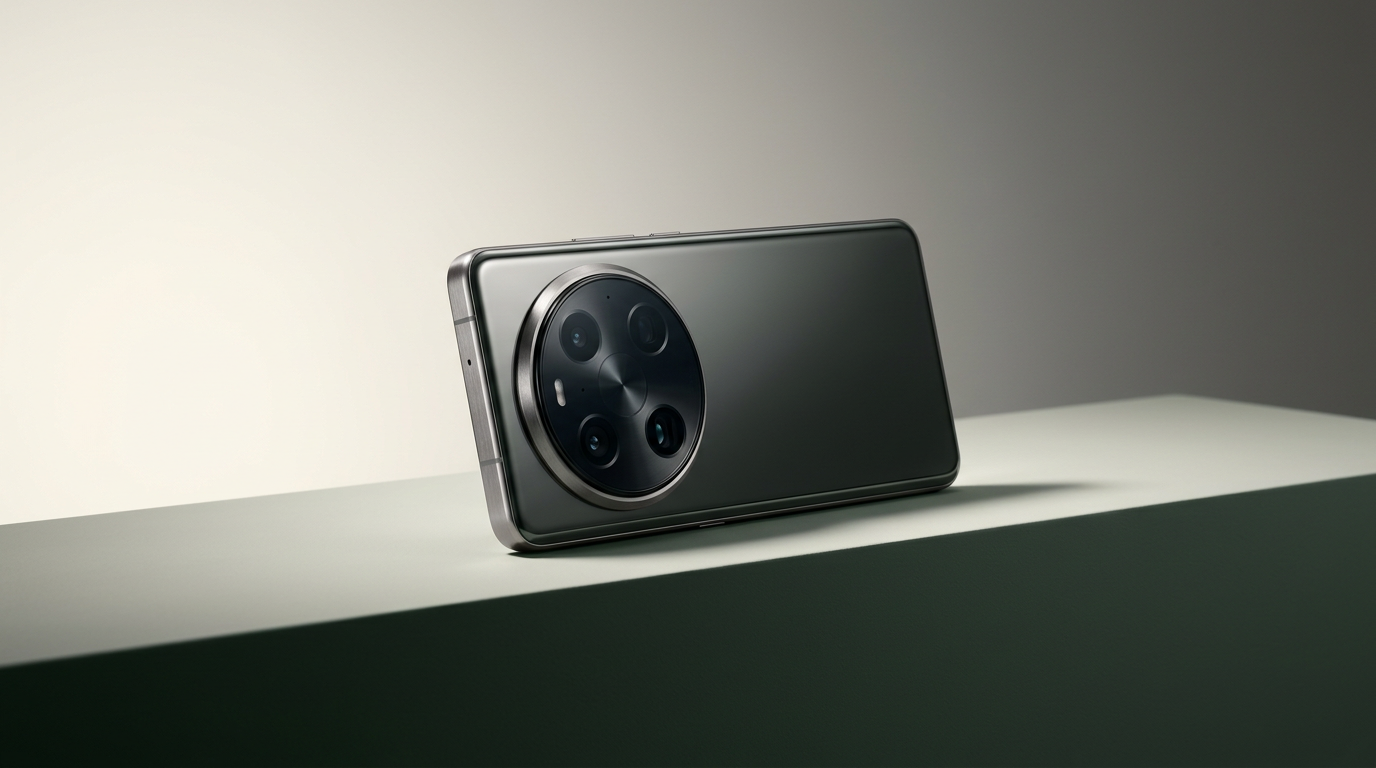
However, this focus on hardware complexity introduces its own set of challenges. The physical design of the Find X9 Ultra, with its massive camera module and specialized accessory kits, demonstrates the tension between functional performance and consumer usability. While the device succeeds in delivering superior imaging results, the reliance on external accessories for physical control highlights the limits of current smartphone form factors. The decision to prioritize this design language suggests that OPPO is willing to trade off universal ergonomics in favor of a distinct, camera-centric identity, betting that the target audience will value the imaging capabilities above the traditional constraints of mobile device portability.
Implications for Global Stakeholders
For incumbent manufacturers, the arrival of the Find X9 Ultra on a global scale represents an intensification of competition in the premium segment. Companies that have long relied on incremental upgrades to maintain their market position may find themselves under pressure to accelerate their own hardware innovations. Regulators and industry analysts are also watching closely, as the aggressive pricing and high-end feature sets of these devices challenge the existing market dynamics in regions where premium segments have traditionally been dominated by a small handful of players. The pressure to compete on hardware specifications may lead to a cycle of rapid innovation that benefits the consumer but places significant strain on the supply chains and R&D budgets of smaller regional players.
For consumers, the proliferation of such devices offers increased choice but also necessitates a more critical evaluation of what constitutes 'value.' As these phones approach the price points of professional equipment, the decision-making process shifts from simple feature comparison to an assessment of the ecosystem and the long-term utility of the hardware. The success of this strategy will depend on whether consumers perceive these devices as genuine alternatives to traditional photography tools or merely as over-engineered smartphones that prioritize specifications over a cohesive user experience.
The Outlook for Premium Mobile Innovation
What remains uncertain is the long-term sustainability of this hardware-centric approach. While the current focus on optics and sensor size has yielded impressive results, the industry is already looking toward the next frontier: the integration of advanced artificial intelligence to bridge the gap between physical hardware limitations and user intent. It is unclear whether future iterations will continue to grow in physical size to accommodate larger sensors or if the industry will pivot toward computational photography that relies less on massive hardware arrays.
Looking ahead, the market will likely see a divergence in strategies. Some brands will continue to push the boundaries of physical hardware, while others may focus on the AI-centric software experience to achieve similar results. The global reception of the Find X9 Ultra will provide a vital data point for all manufacturers, indicating whether the premium market is truly ready for a device that prioritizes professional-grade photography at the expense of traditional smartphone design conventions.
As the competitive landscape continues to shift, the question of whether hardware-heavy flagships can maintain their appeal in a world increasingly focused on software-driven experiences remains open for debate. The evolution of the smartphone into a specialized tool for creators marks a significant departure from its origins as a communication device, forcing both manufacturers and users to reconsider the fundamental purpose of the flagship phone.
With reporting from Xataka
Source · Xataka