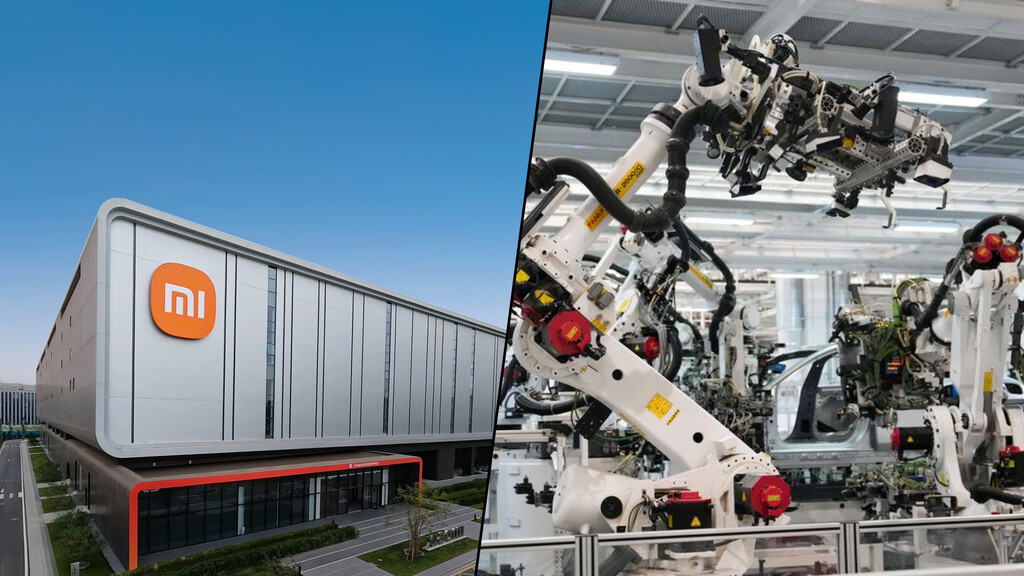
In the industrial hubs of China, the traditional school field trip is being replaced by something more high-tech and aspirational. Families are increasingly bypassing museums and theme parks to secure spots on factory tours at Xiaomi, NIO, and Xpeng. These manufacturing plants, once closed-off zones of production, have transformed into theaters of national pride, where parents and children watch robots assemble the "new energy" vehicles that now dominate the global market.
The phenomenon is rooted in a cultural trend known as jī wá, or "chicken babying" — a term describing the relentless drive of middle-class parents to "pump up" their children with every possible competitive advantage. In this high-pressure environment, every free hour must be optimized. Visiting an EV assembly line is not just a day out; it is a pedagogical exercise designed to expose children to the cutting edge of domestic innovation, often complete with certificates of attendance to prove the educational value.
Factory as Classroom, Brand as Curriculum
The logic behind the factory pilgrimage sits at the intersection of two powerful forces in contemporary China: the country's rapid ascent in electric vehicle manufacturing and the deeply embedded parental anxiety over educational attainment. The jī wá phenomenon did not emerge in a vacuum. It is the product of decades of intense academic competition, amplified by a system in which a child's exam performance at age twelve or thirteen can determine access to elite secondary schools and, ultimately, university placement. In that context, extracurricular enrichment has become an arms race, and the definition of enrichment has expanded well beyond piano lessons and math tutoring.
EV factories offer something that traditional cultural institutions often cannot: a narrative of national technological triumph that is tangible, contemporary, and visually dramatic. Watching a robotic arm weld a battery chassis carries a different emotional register than viewing a historical artifact behind glass. For parents steeped in the rhetoric of China's industrial self-sufficiency — particularly in sectors like batteries and semiconductors where the country has made deliberate strategic investments — these tours validate a story they want their children to internalize. The certificates of attendance, seemingly trivial, function as social proof: evidence that a family is investing in a forward-looking, STEM-oriented upbringing.
The automakers, for their part, have recognized the opportunity. Opening factory doors to families is a low-cost, high-return brand exercise. Unlike a television advertisement, a factory tour creates an embodied experience — the hum of machinery, the precision of automation, the sheer scale of a production line. For companies like Xiaomi, which entered the automotive market relatively recently after building its reputation in consumer electronics, these visits help establish credibility in a new category. For NIO and Xpeng, which compete in a brutally crowded domestic EV market, the tours cultivate brand loyalty that begins not with the buyer but with the buyer's child.
The Secondary Market and What It Signals
That demand for these tours has produced months-long waiting lists and a secondary resale market is itself revealing. It suggests the visits have crossed a threshold from novelty into social currency. In a society where parenting choices are closely observed and compared — through social media, school networks, and extended family — having secured a factory tour becomes a marker of diligence and aspiration. The resale premium mirrors dynamics seen in other status-driven consumer categories in China, from luxury goods to concert tickets for top-tier performers.
There is also a subtler dynamic at work. The Chinese government has for years promoted "patriotic education" and the narrative of national rejuvenation through technological leadership. EV factories, which sit at the nexus of advanced manufacturing, clean energy policy, and global export ambition, are near-perfect embodiments of that narrative. Whether the automakers coordinate with local education authorities or simply benefit from an aligned cultural current, the result is the same: the factory floor has become a site of ideological as well as commercial significance.
The question that lingers is whether this convergence of parental anxiety, corporate marketing, and national narrative produces something durable — a generation genuinely drawn to engineering and manufacturing — or whether it remains, at its core, a performance of aspiration. The answer may depend on what happens after the tour bus leaves the parking lot.
With reporting from Xataka.
Source · Xataka