The Sony World Photography Awards, now in its 19th edition, has announced the winners of its 2026 competition, drawing more than 430,000 submissions from over 200 countries. The program, organized by the World Photography Organisation in partnership with Sony, remains one of the largest annual photography competitions in the world, spanning professional, amateur, student, and youth tiers across dozens of categories.
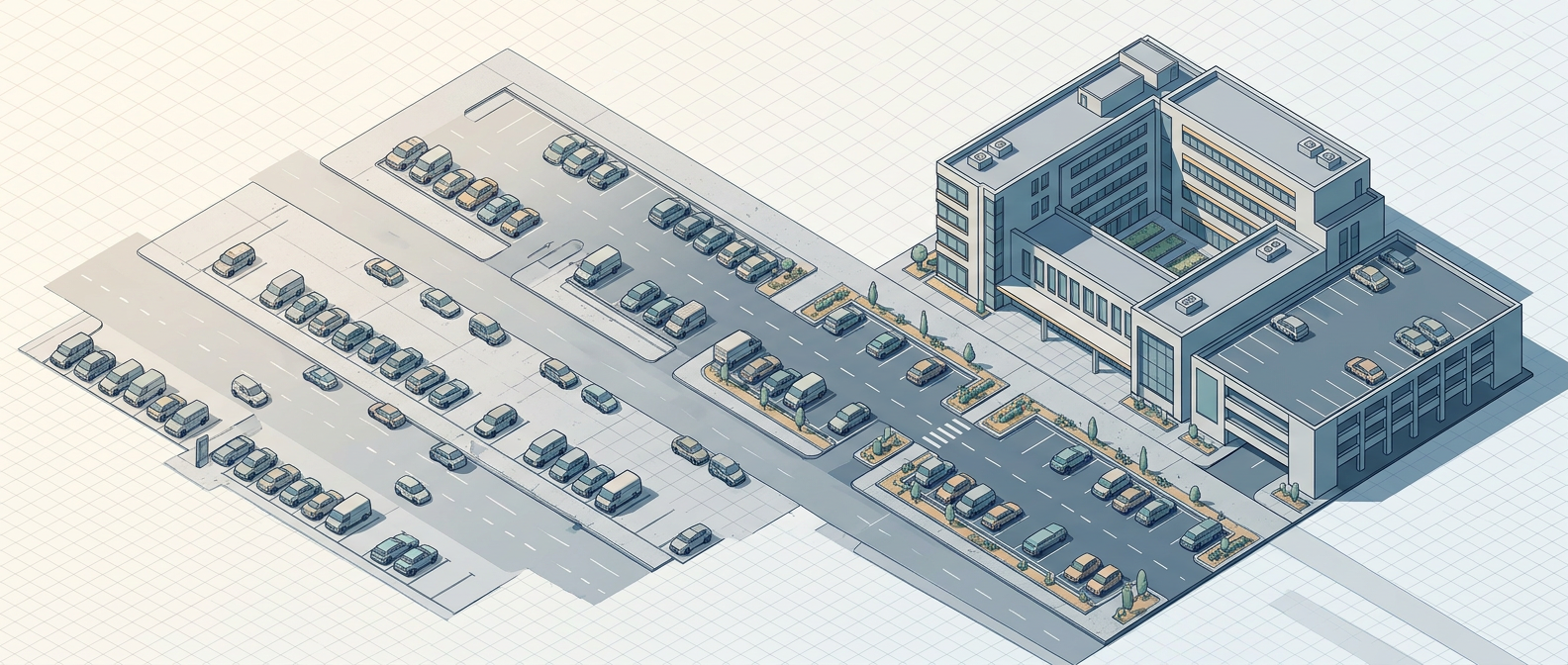
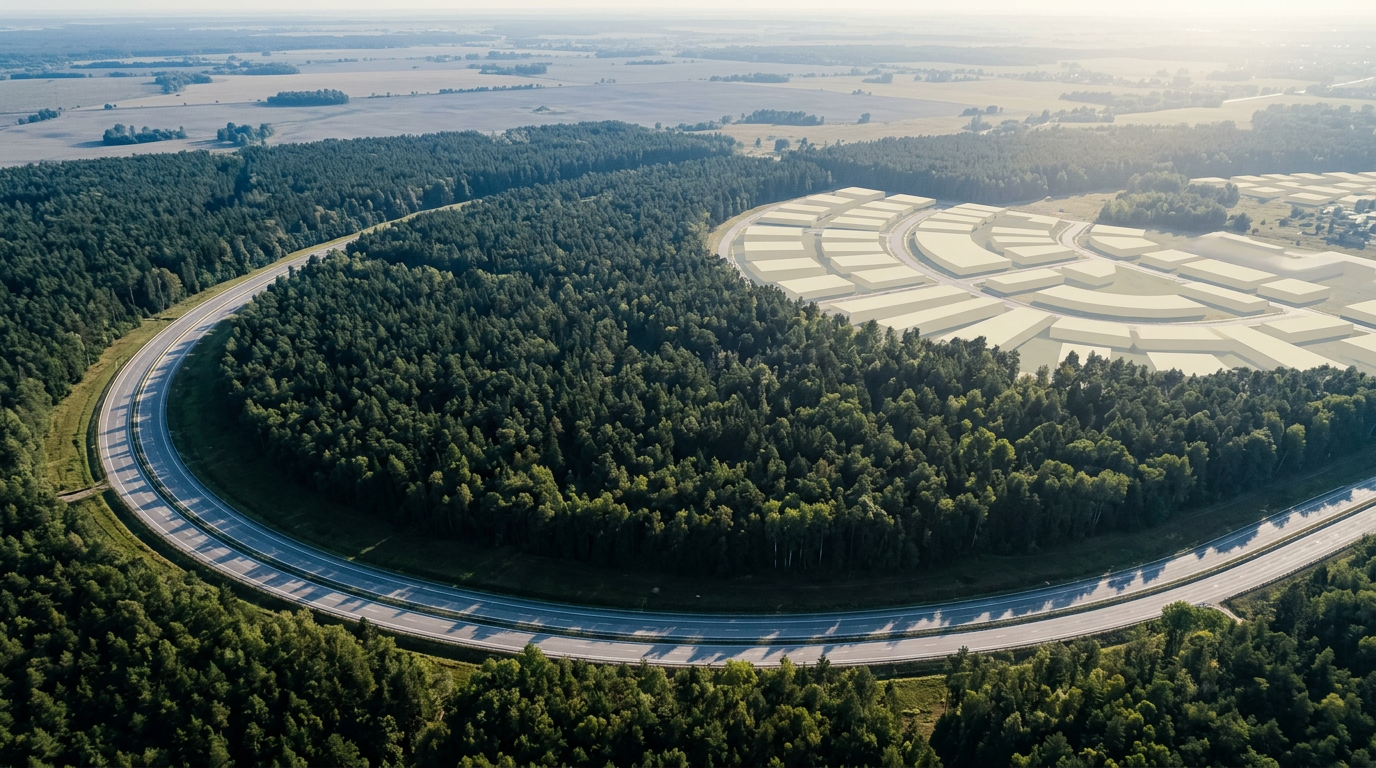
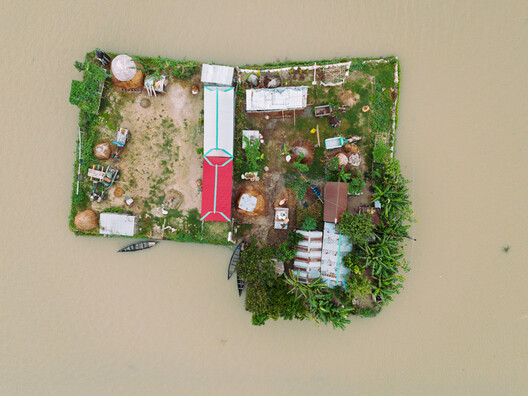
In the Architecture & Design category, Joy Saha of Bangladesh was named the winner of the Professional competition. The selected works will be exhibited at Somerset House in London, a venue that has hosted the awards' annual showcase for years, positioning the results within one of the city's most prominent cultural institutions.
Architecture Through the Lens: More Than Geometry
The Architecture & Design category occupies a distinctive space within photography competitions. Unlike categories driven by spontaneity — conflict, wildlife, street photography — architectural photography demands a deliberate negotiation between the photographer and a subject that is, by definition, already designed. The challenge lies not in capturing the unexpected but in revealing something the architect may not have intended: the way light falls at a particular hour, the way inhabitants reshape a space through use, the tension between a structure and its surrounding landscape.
Saha's recognition signals a continued shift in what juries and audiences value in this genre. Over the past decade, architectural photography has moved away from the pristine, unpopulated renderings that once dominated the field — images that could pass for marketing material from a developer's brochure. In their place, a more documentary sensibility has taken hold, one that treats buildings not as isolated objects but as participants in broader social and environmental systems. The fact that the winning work comes from Bangladesh, a country where rapid urbanization, climate vulnerability, and vernacular building traditions coexist in sharp relief, reinforces this trajectory.
The Sony World Photography Awards has historically served as a useful barometer for these shifts. Its sheer scale — hundreds of thousands of entries from virtually every country — provides a dataset of sorts, revealing which visual languages are gaining traction globally. When a category like Architecture & Design consistently rewards work that foregrounds context over form, it reflects a broader realignment in how the design community itself thinks about what buildings are for.
The Exhibition as Editorial Act
The annual exhibition at Somerset House serves a function beyond display. By placing architectural photography alongside categories such as portraiture, landscape, and documentary, the awards implicitly argue that the built environment deserves the same critical attention as any other subject of photographic inquiry. This curatorial choice matters. Architectural photography has long occupied an ambiguous position — commissioned by firms, published in trade media, rarely granted the institutional prestige afforded to fine art or photojournalism.
Competitions of this scale also raise a recurring question about the relationship between photography and architecture itself. A compelling photograph can elevate an obscure building into global consciousness or, conversely, reduce a complex spatial experience to a single flattened frame. The architects whose work appears in these images are rarely credited in the same breath as the photographers, creating an asymmetry that the design community has debated for years without resolution.
For the broader design world, the 2026 results offer a useful data point rather than a definitive statement. The growing prominence of work from South Asia and the Global South within these competitions tracks with a wider redistribution of architectural attention — away from the established studios of Europe and North America and toward regions where the most urgent questions about urbanization, climate adaptation, and informal settlement are being confronted daily. Whether that attention translates into commissions, funding, or policy influence for architects working in those contexts remains a separate and unresolved matter.
With reporting from ArchDaily.
Source · ArchDaily