Museums have long operated under a familiar logic: collect, preserve, display. The visitor observes; the institution narrates. But a growing body of curatorial thinking is challenging that model from two seemingly unrelated directions — the ephemeral intensity of rave culture and the ancient permanence of rock art. Together, they suggest that the future of the museum may depend on reconciling the transient with the enduring, and that cultural institutions must learn to hold both.
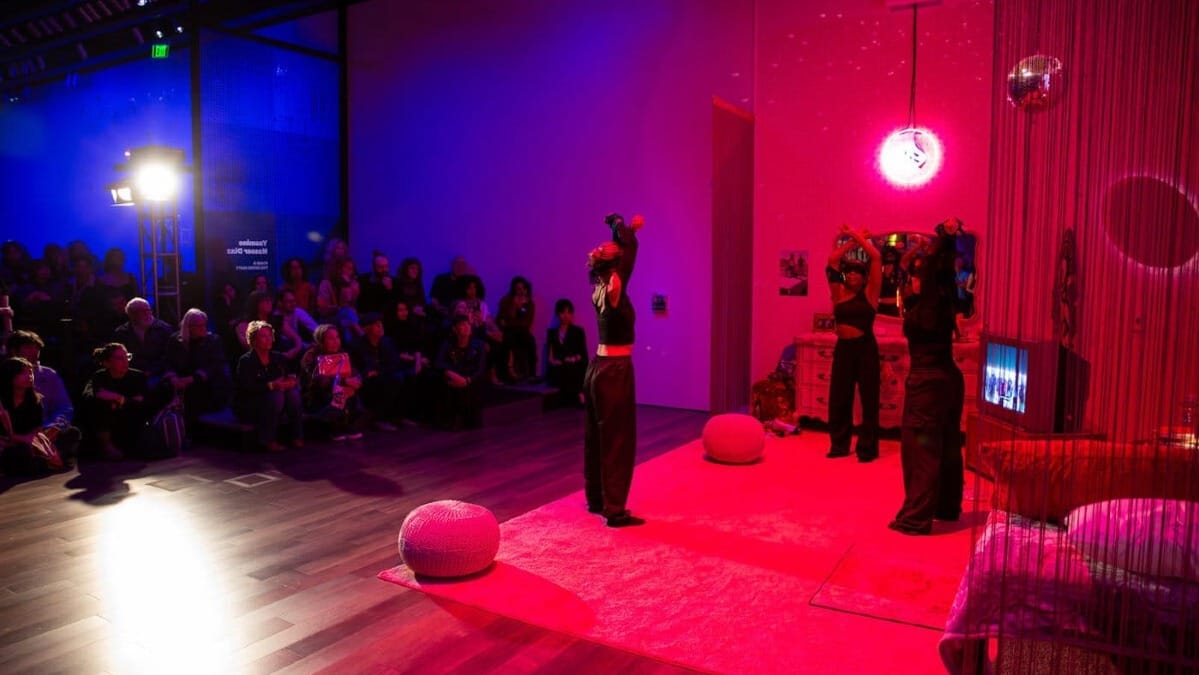
Curator Naz Cuguoğlu has advanced the argument that rave spaces, long dismissed by institutional culture as sites of mere hedonism, offer something museums increasingly struggle to provide: radical belonging. The dance floor, in this reading, functions as a "temporary homeland" — a space where communal presence takes precedence over passive observation. The implication for museums is pointed. If institutions wish to remain relevant to younger and more diverse audiences, they may need to borrow from subcultures that prize participation, fluidity, and collective experience over the static encounter between viewer and object.
From Dance Floor to Gallery Floor
The idea is not as novel as it might appear. Since at least the 1990s, museums and galleries have experimented with immersive and participatory formats, from Tino Sehgal's constructed situations at the Guggenheim to the rise of performance-based programming across major institutions. What distinguishes the current conversation is its source material. Rave culture — with its roots in Black and queer communities in Detroit and Chicago, its DIY ethos, and its deliberate ephemerality — represents a tradition that mainstream institutions have historically ignored or co-opted rather than studied on its own terms. Cuguoğlu's framework asks curators to take the social architecture of the rave seriously, not as spectacle to be imported but as a model for how belonging is produced in the absence of permanent structures.
That tension between the temporary and the permanent finds a striking counterpoint in recent developments in Mexico, where officials rerouted a high-speed train line to protect a site of newly discovered rock art. The decision is notable precisely because it is rare. Infrastructure projects around the world routinely displace or destroy archaeological heritage; the calculus of economic development almost always prevails. Mexico's choice to subordinate industrial efficiency to the preservation of the deep past represents a counter-narrative — one in which the claims of ancient culture are granted material weight in the planning of modern progress.
The Archive as Negotiation
These two stories — the rave and the rock art — may seem disconnected, but they converge on a shared question: what counts as heritage, and who decides how it is preserved? The traditional museum answered that question through acquisition and taxonomy. Objects entered the collection; curators assigned meaning. But the contemporary landscape is more contested. From the subversive mail art of the late Genesis P-Orridge, which deliberately resisted institutional capture, to Jean Shin's memorials for the fallen trees of a New York cemetery, artists are producing work that foregrounds loss, community, and the limits of the archive itself.
Museums, in turn, are being asked to function less as repositories and more as sites for the active negotiation of memory. That shift carries risks. Institutions that chase participatory formats without structural change risk superficiality — the immersive exhibition as theme park. And heritage preservation decisions like Mexico's train reroute, while symbolically powerful, remain exceptions rather than norms in global infrastructure planning.
The deeper question is whether cultural institutions can sustain both impulses simultaneously — the rave's insistence on presence and impermanence, and the rock art's claim to deep time and material survival. These are not complementary instincts. One privileges the body in motion; the other, the mark that endures. How museums navigate that tension will say a great deal about what kind of cultural memory the coming decades choose to keep.
With reporting from Hyperallergic.
Source · Hyperallergic