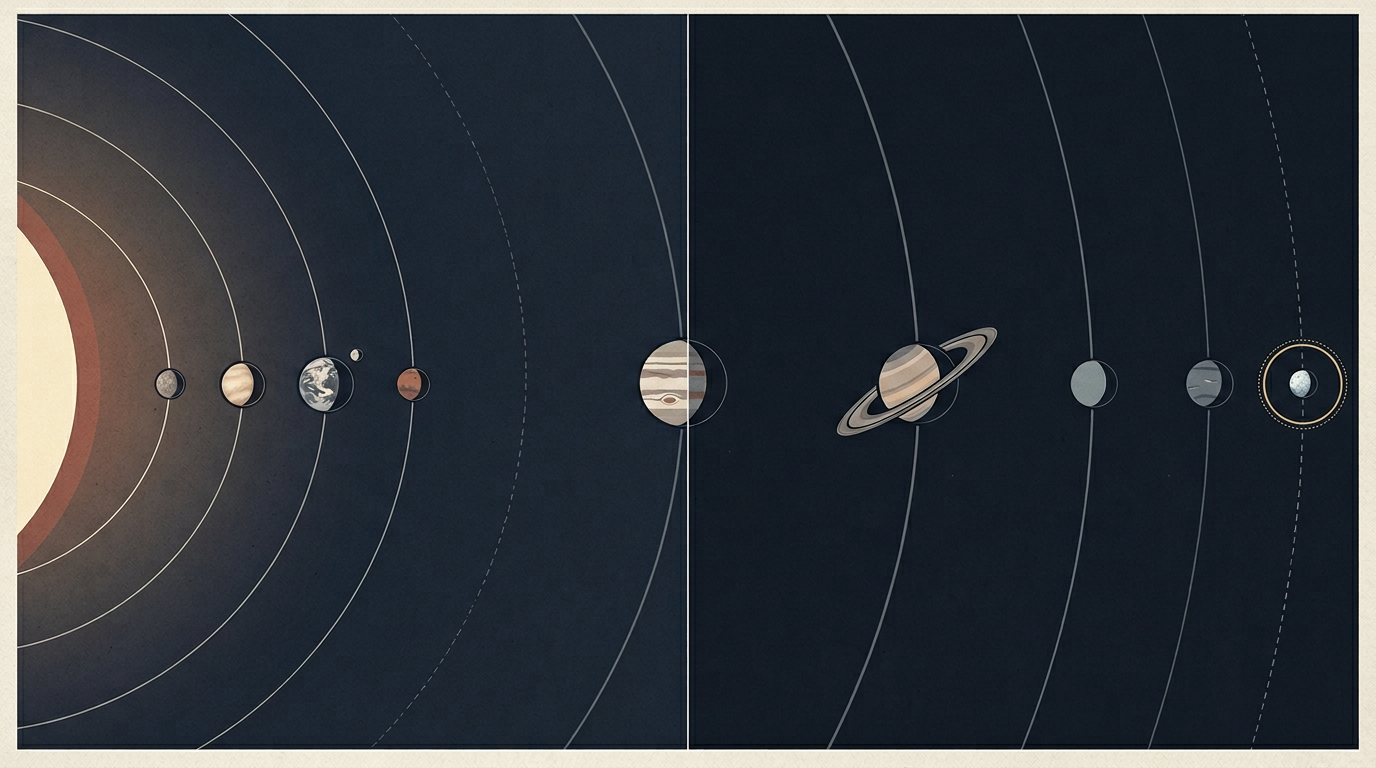
For decades, the boundary of sustained human presence in space has been low Earth orbit — a relatively thin shell where the International Space Station circles roughly 400 kilometers above the surface. But at the South by Southwest festival in Austin, Vanessa Wyche, Director of NASA's Johnson Space Center, signaled that this era is giving way to a more expansive and permanent ambition. The Artemis program, she argued, is not merely a return to the lunar surface, but a fundamental restructuring of how humanity operates beyond its home planet.
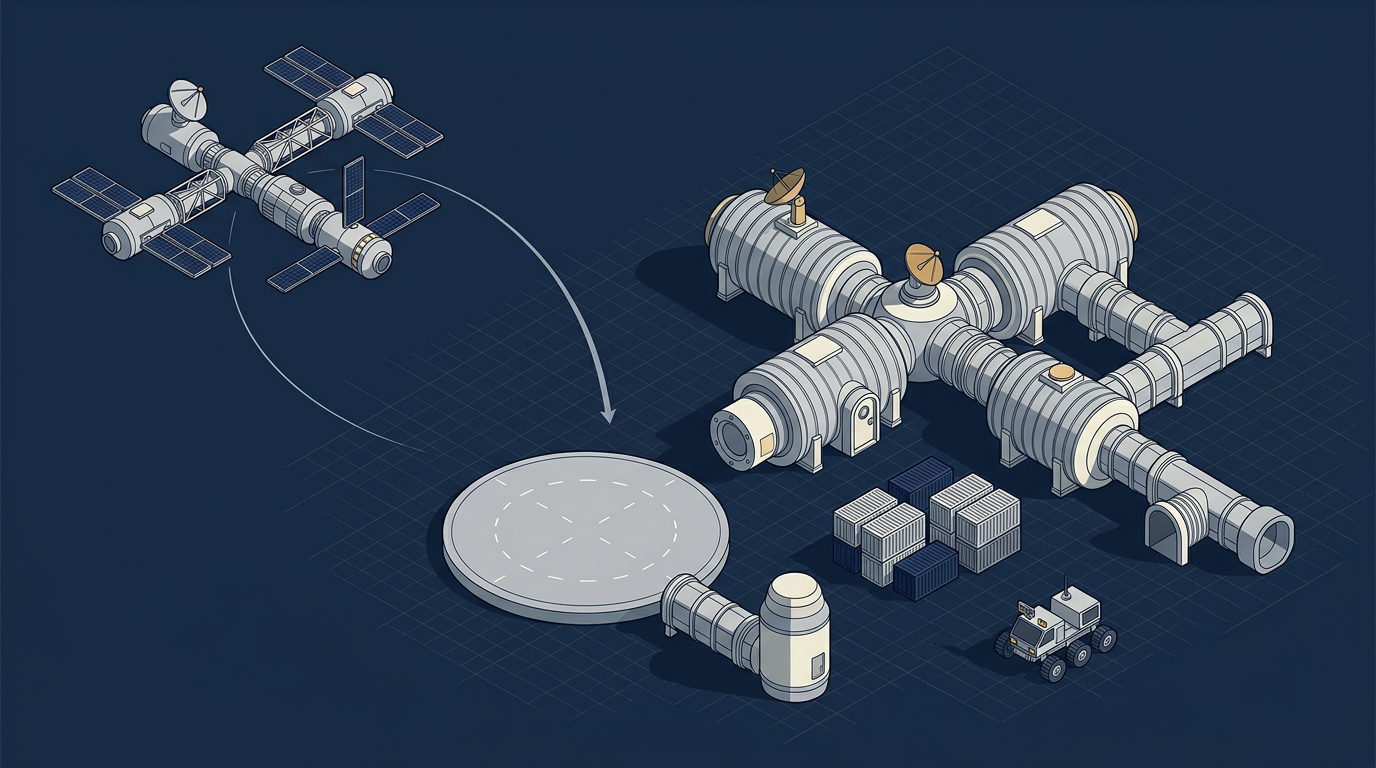
The framing matters. When NASA last sent astronauts to the Moon during the Apollo program, the missions were designed as expeditions — brief, flag-planting sorties with no infrastructure left behind for follow-on use. Artemis, by contrast, is architected around the concept of sustained presence: a lunar Gateway station in orbit, surface habitats, and logistics chains that can be tested, stressed, and improved over time before any crew is committed to the far longer transit to Mars.
From National Sprint to Collaborative Ecosystem
One of the sharpest distinctions between Apollo and Artemis lies in the program's political and industrial architecture. Apollo was a Cold War instrument — funded lavishly, executed almost entirely by a single government, and motivated by geopolitical competition with the Soviet Union. Artemis operates in a different strategic environment. The program is structured around the Artemis Accords, a set of bilateral agreements that establish norms for lunar exploration among signatory nations. Multiple space agencies contribute hardware and expertise, distributing both cost and political ownership across a coalition rather than concentrating it in one national budget.
Commercial participation adds another layer. NASA has deliberately shifted toward contracting private companies for lunar landers and cargo delivery under fixed-price agreements, a procurement model refined during the agency's Commercial Crew and Commercial Resupply programs for the ISS. The logic is straightforward: if the private sector bears development risk and retains intellectual property, NASA can allocate its own resources toward the higher-risk science and exploration objectives that no commercial entity would pursue on its own.
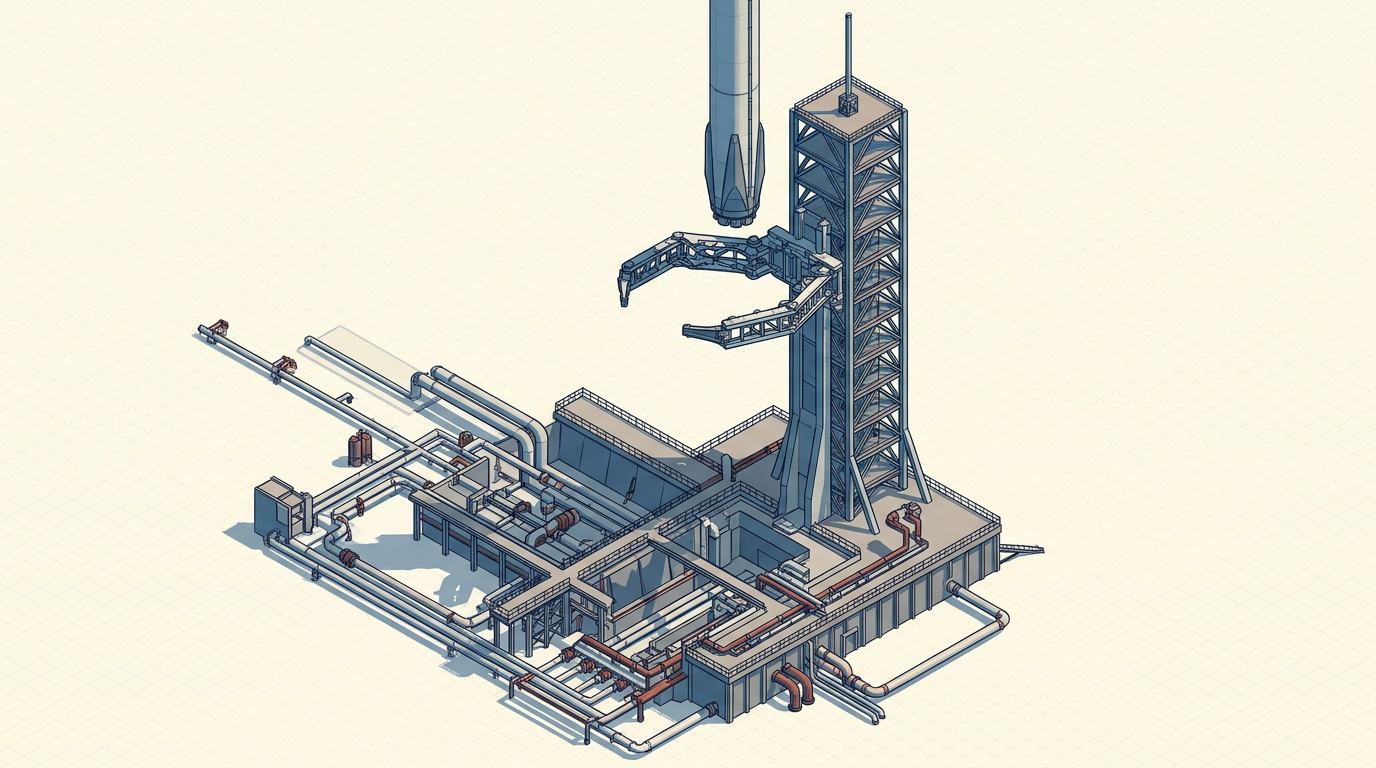
Wyche's remarks at SXSW situated the agency's "Ignition" initiative within this broader framework. That initiative prioritizes space nuclear power and advanced propulsion systems — technologies that remain beyond the current commercial frontier but are essential for any credible Mars transit architecture. Chemical propulsion, the workhorse of every crewed mission to date, imposes punishing mass penalties on deep-space missions. Nuclear thermal or nuclear electric propulsion could substantially reduce transit times, lowering crew exposure to cosmic radiation and reducing the consumables a spacecraft must carry.
The Moon as Operational Laboratory
The strategic value of a lunar proving ground extends beyond propulsion. Life-support systems capable of recycling air and water for months at a time have been tested aboard the ISS, but the station's proximity to Earth provides a safety margin that will not exist on a Mars-bound spacecraft. A lunar base, reachable within days rather than months, offers a middle step: remote enough to force genuine operational autonomy, close enough to permit resupply or evacuation if critical systems fail.
Dust mitigation, radiation shielding, in-situ resource utilization — extracting water ice or oxygen from lunar regolith — and long-duration habitat reliability all represent engineering problems that are better solved on the Moon than theorized on Earth. Each Artemis surface mission, in this reading, functions less as a standalone achievement and more as a data-collection campaign feeding forward into Mars mission design.
The tension embedded in the program is between ambition and cadence. Large-scale government programs historically struggle to maintain political support across multiple election cycles, and Artemis is no exception. Budget pressures, shifting congressional priorities, and the inherent complexity of deep-space hardware development all exert drag on timelines. Whether the collaborative, commercially augmented model Wyche described proves resilient enough to sustain momentum through those pressures — or whether it fragments under them — remains the central question the program must answer with each successive mission.
With reporting from NASA Breaking News.
Source · NASA Breaking News