The transition from the weightlessness of deep space to the demanding gravity well of a planetary surface remains one of the most significant physiological hurdles in human exploration. Decades of research aboard the International Space Station have documented the toll that even short-duration spaceflight exacts on the body: muscle atrophy, bone density loss, fluid redistribution, vestibular disruption. For any program that aspires to land crews on the Moon and put them to work shortly after arrival, the question of post-transit readiness is not academic — it is operational.
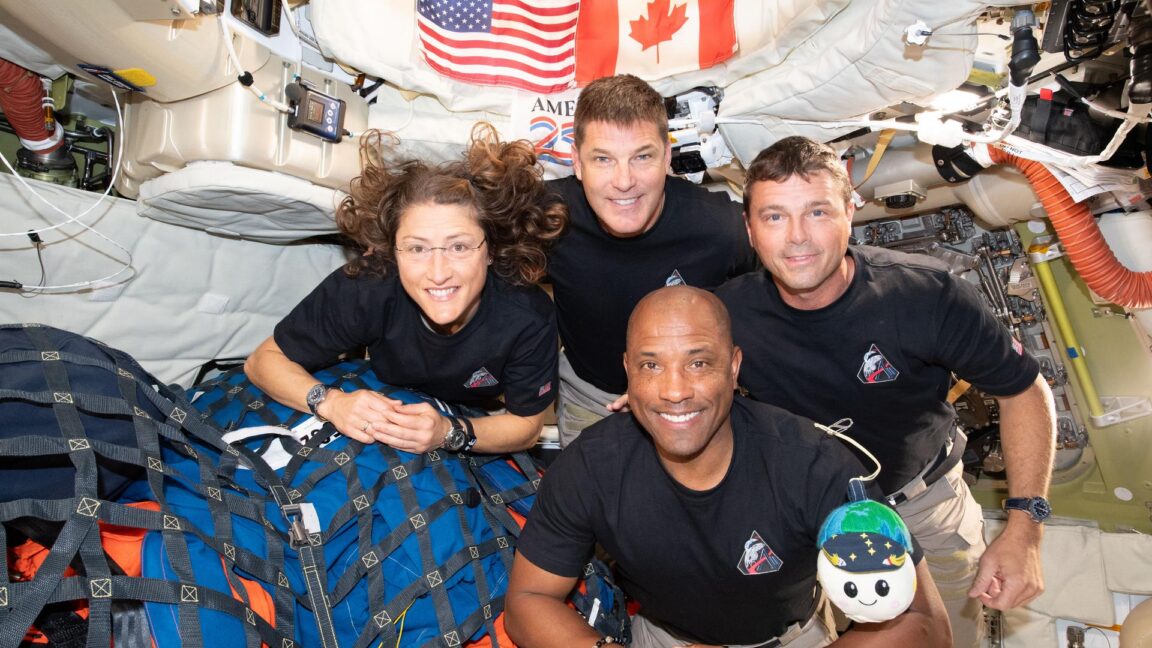
The Artemis II crew appears to have offered a provisional answer. Following intensive post-splashdown recovery and geology simulations, the astronauts reported that lunar surface operations are "absolutely doable" in the near term. The assessment carries weight: Artemis II is technically a lunar flyby, a shakedown cruise for the Orion spacecraft and Space Launch System on a trajectory around the Moon and back. But the crew's post-simulation confidence signals that NASA is already thinking well beyond the flyby itself.
From flyby to fieldwork
Within 48 hours of a simulated return to Earth, mission specialists including Christina Koch were back in pressurized suits, executing complex geological tasks. The exercise was designed to test whether a crew fresh from the rigors of a translunar journey could immediately pivot to the grueling manual labor required to maintain a lunar base — collecting samples, operating tools, navigating uneven terrain in bulky suits.
The results were notably positive. Koch indicated that the team completed a battery of challenging surface tasks with high proficiency, suggesting that the physiological degradation from a roughly ten-day mission profile does not preclude rapid redeployment to demanding physical work. This is a meaningful data point. During the Apollo program, crews returning from the Moon were placed in quarantine and subjected to extended medical observation; the idea of putting them back to work within two days would have been operationally inconceivable under the protocols of the era.
The simulation design itself reflects a broader methodological shift at NASA. Rather than treating crew recovery and surface operations as sequential phases separated by comfortable margins, the agency is compressing the timeline to stress-test the weakest link in any sustained lunar campaign: the human body. If astronauts can function at high levels shortly after reentry conditions, mission planners gain significant flexibility in scheduling surface excursions during future Artemis landing missions.
Endurance over spectacle
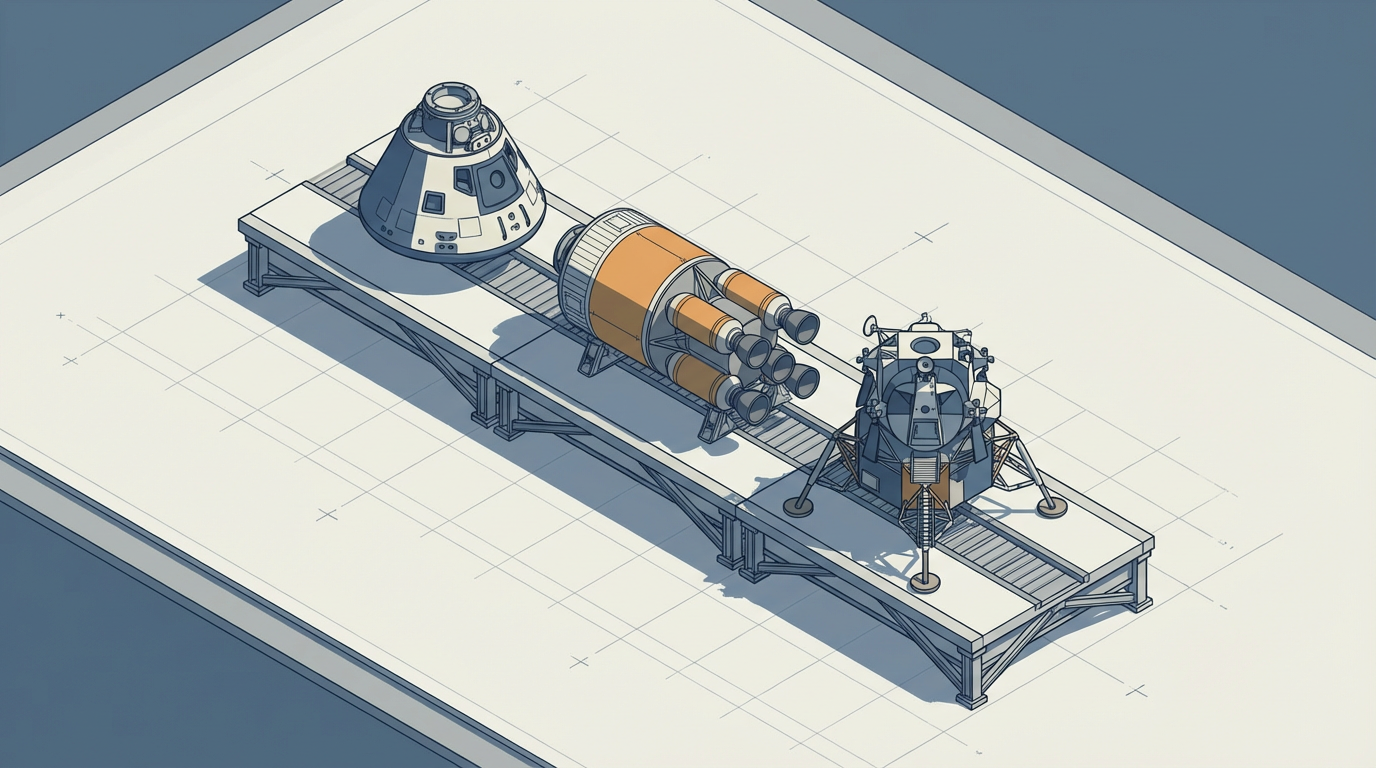
This readiness underscores a shift in NASA's institutional posture. The Apollo era was defined by what is sometimes called the "flags and footprints" model — brief, spectacular sorties designed to demonstrate capability and claim geopolitical prestige. The longest Apollo surface stay, Apollo 17 in 1972, lasted roughly three days. The Artemis program, by contrast, is built on the premise of endurance. Its architecture — the Orion capsule, the Gateway orbital station, the Human Landing System contracted to SpaceX — is designed to support repeated visits and, eventually, sustained habitation near the lunar south pole.
Proving that astronauts can transition rapidly from transit to productive work is a necessary condition for that vision. A permanent or semi-permanent lunar outpost demands crews who can begin contributing to construction, maintenance, and science operations without extended downtime. The alternative — long recovery windows that consume a significant fraction of any given surface stay — would erode the economic and scientific rationale for returning to the Moon at all.
The Artemis II crew's confidence, then, is not merely motivational rhetoric. It represents an early empirical signal that the human element of the program may be less of a bottleneck than some planners feared. Whether that signal holds under the actual conditions of a translunar flight — with real radiation exposure, real microgravity, and real reentry forces — remains the open question. The simulation is encouraging precisely because it was designed to be punishing. But simulations, by definition, are approximations. The gap between a controlled analog and the genuine article is where programs discover what they do not yet know.
With reporting from Ars Technica Space.
Source · Ars Technica Space