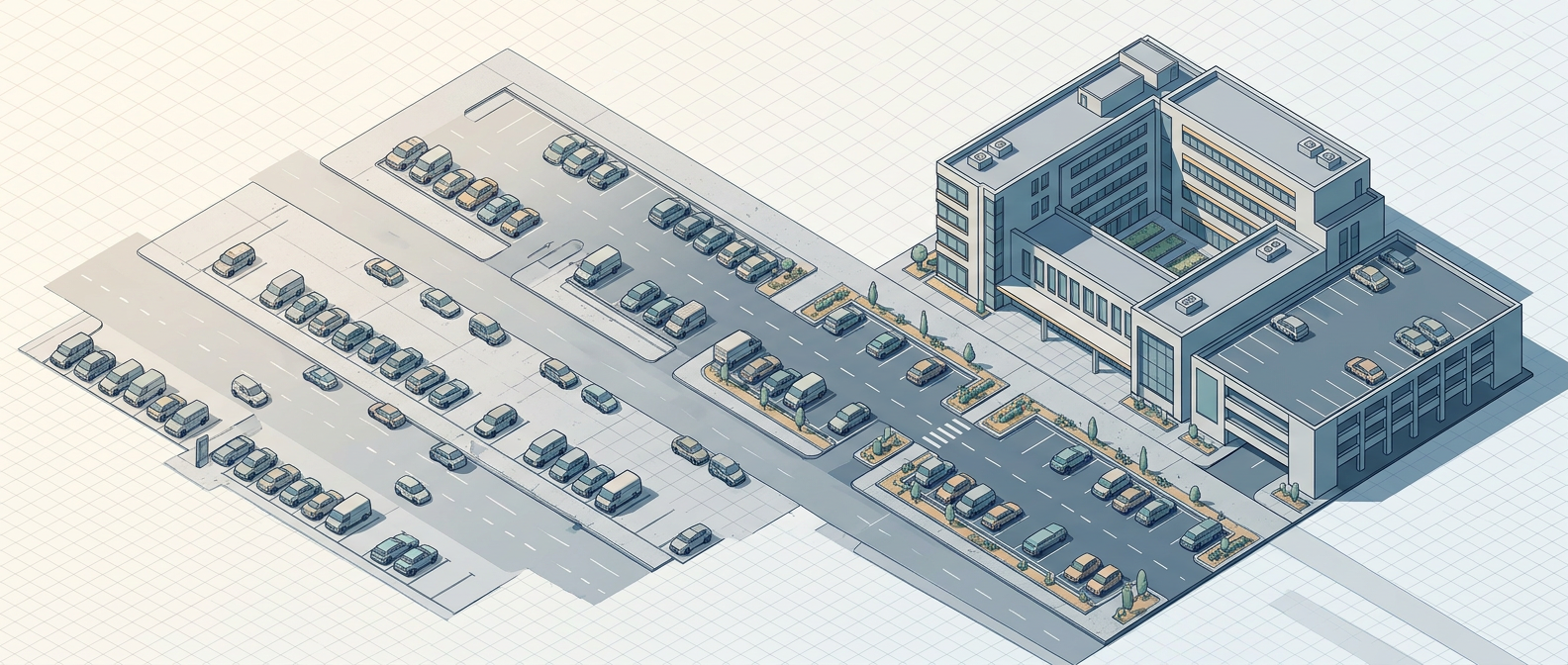
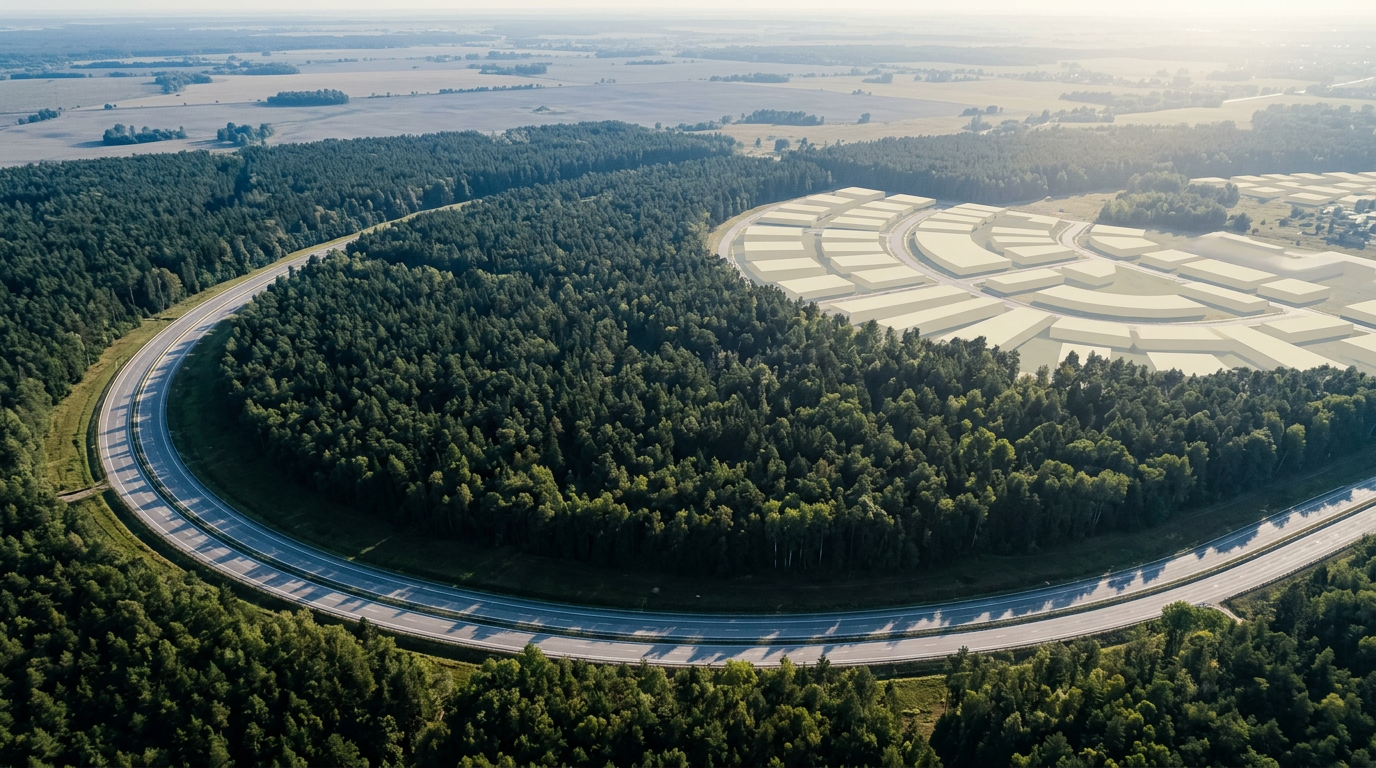
Texas is currently the site of a $9 billion architectural experiment. Across its five largest cities, the "big box" convention center — once defined by windowless expanses and a total indifference to the surrounding streetscape — is being dismantled, expanded, or entirely reborn. This surge in construction represents a strategic pivot in how the state's urban centers manage the massive, often hermetic structures that dominate their downtown cores.
The catalyst for this boom is as much legal as it is architectural. Recent state legislation, notably 2023's Senate Bill 1057, has unlocked a new financial pipeline by allowing municipalities to capture hotel occupancy tax revenue from within a three-mile radius of these sites. This influx of capital has allowed cities like Dallas, Houston, and San Antonio to address the "dark days" — those stretches of time when these cavernous halls sit empty, deadening both the local economy and the pedestrian experience.
From Fortress to Fabric
The convention center, as a building type, has long occupied an awkward position in American urbanism. Born of mid-century optimism about tourism-driven economic development, these structures were designed primarily for interior logistics: column-free exhibition halls, loading docks, and climate-controlled ballrooms. Their relationship to the street was, at best, incidental. In many cities, convention centers became superblocks — vast, blank-walled volumes that severed pedestrian routes and drained surrounding neighborhoods of street life during off-event periods.
Texas inherited this typology in full. The state's rapid postwar growth and car-centric planning made the convention center a natural fit for downtown districts already organized around parking infrastructure rather than walkability. But as Texas cities have grown denser and more economically diversified, the costs of maintaining dead zones in prime urban real estate have become harder to justify. A convention center that activates its surroundings only during trade shows and conferences leaves enormous value on the table for the remaining days of the year.
The new design philosophy favors what architects call "urban porosity" — the idea that a large building should allow movement, light, and activity to pass through it rather than around it. Led by firms like Populous, the goal is to replace the fortress-like convention centers of the late 20th century with structures that look outward. By integrating retail, public plazas, and transparent facades, Texas is attempting to weave these massive facilities back into the city fabric, transforming them from obstacles into connectors.
This approach has precedent elsewhere. Cities such as Melbourne and Copenhagen have, over the past two decades, redesigned major civic and event buildings to serve dual roles as public infrastructure and programmed venues. The underlying logic is consistent: if a city is going to dedicate several blocks of prime downtown land to a single use, that use must generate value beyond the event calendar.
The Tension Between Scale and Street Life
The challenge, however, is structural as much as philosophical. Convention centers require enormous floor plates, high ceilings, and heavy service access — functional demands that resist the fine grain of a walkable streetscape. Porosity is easier to render than to build. Ground-floor retail along a convention center facade must compete with the reality that the building's primary tenants are temporary exhibitors, not permanent merchants. Public plazas risk becoming windswept voids if not carefully programmed.
Texas also faces a climate constraint that northern European models do not. Outdoor activation strategies that work in Copenhagen's temperate summers encounter resistance in Houston's heat or Dallas's temperature swings. The degree to which transparent facades and open ground planes can function comfortably year-round remains an open design question.
The financial mechanism behind the boom introduces its own dynamics. Hotel occupancy tax capture ties convention center investment directly to tourism revenue, creating an incentive structure that rewards visitor volume. Whether that incentive aligns with the goal of serving local residents and daily pedestrian life — or subtly works against it — is a question each city will answer through its own design and programming choices.
What Texas is testing, ultimately, is whether the convention center can be reformed from within: whether a building type defined by introversion can be made to perform as urban infrastructure without sacrificing the logistical scale that justifies its existence. The $9 billion wager assumes the answer is yes. The streets around these buildings, in the years ahead, will register whether that assumption holds.
With reporting from Dezeen Architecture.
Source · Dezeen Architecture