The Scavengers of the Spillover Zone
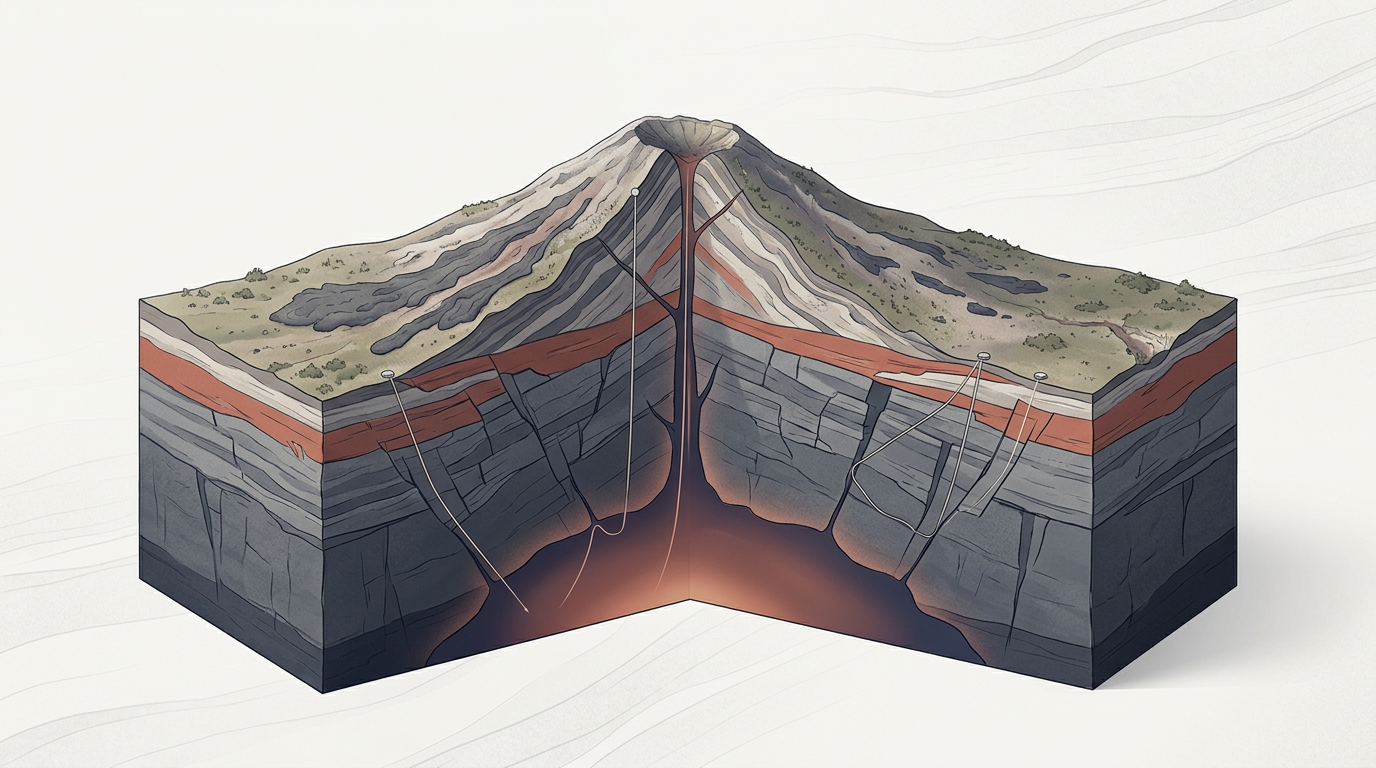
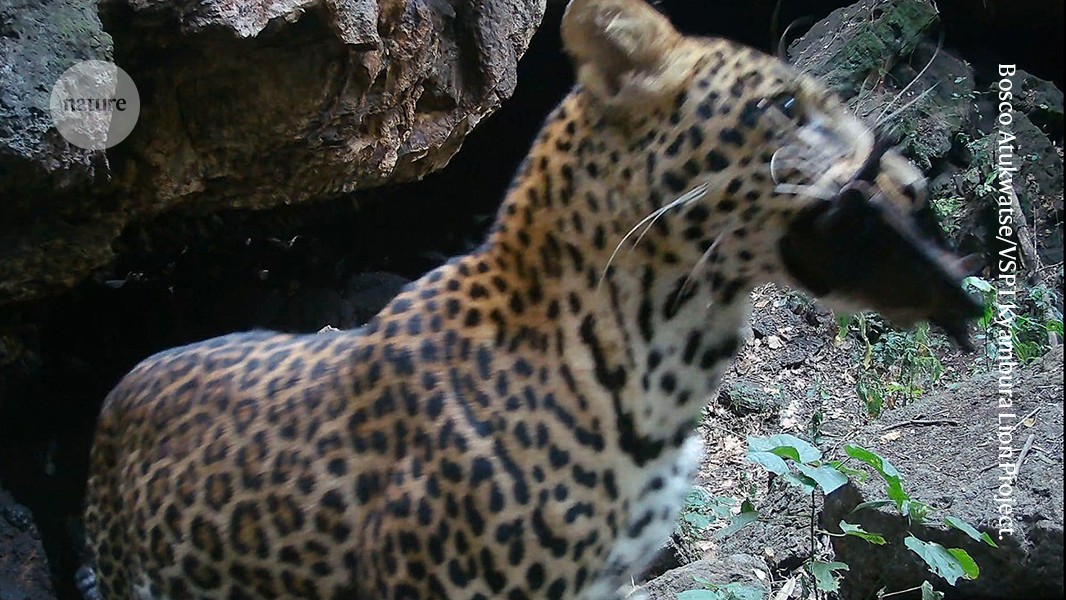
In the shadows of an African cave known to harbor the Marburg virus, the process of zoonotic spillover is less a single event and more a slow, multi-species choreography. Recent camera-trap footage has revealed that the boundary between infected bat populations and the wider world is far more porous than previously understood. Researchers documented ten different animal species scavenging or hunting bats at the site, creating a biological bridge for one of the world's most lethal pathogens. The study, which captured hundreds of human visits to the same cave, offers a granular look at the ecology of pandemic risk — and at the systemic conditions that allow a virus to travel from a secluded roost into the domestic sphere.
Marburg virus, a filovirus closely related to Ebola, causes severe hemorrhagic fever with case fatality rates that have historically ranged well above fifty percent in major outbreaks. The virus's primary reservoir is the Egyptian fruit bat (Rousettus aegyptiacus), a species that roosts in large colonies inside caves across sub-Saharan Africa. Previous outbreaks — including episodes in Uganda, Angola, and more recently in Equatorial Guinea and Tanzania — have often been traced back to human contact with bat habitats, particularly mines and caves. What has remained less well mapped is the ecological web that connects those roosts to the surrounding landscape.
A Multi-Species Bridge
The camera-trap data begins to fill that gap. By recording activity at a known Marburg-positive cave over an extended period, the research team identified a diverse cast of scavengers and predators feeding on bats or bat carcasses. The roster reportedly includes mongooses, domestic cats, and several other local fauna — animals that move freely between wild habitats and human settlements. Each species represents a potential intermediate link in a transmission chain: an animal that ingests or contacts infected tissue near the cave mouth and then returns to a village, a farm, or a household.
This finding reframes the conventional model of spillover, which has often focused on direct bat-to-human contact — a miner inhaling aerosolized guano, a child handling a sick bat. The footage suggests a more diffuse process, one mediated by an entire trophic network. If a domestic cat scavenges an infected carcass and is later handled by its owner, or if a mongoose deposits contaminated material near a water source, the virus gains pathways that do not require a person to ever enter the cave. The concept is not entirely new — intermediate hosts have long been suspected in filovirus ecology — but direct observational evidence of this breadth of scavenging activity at a confirmed hotspot adds empirical weight to what was largely theoretical.
The Human Factor
Equally significant is the volume of human traffic the cameras recorded. Hundreds of people were documented visiting the cave, underscoring how routine proximity to high-risk wildlife reservoirs can be in certain regions. The reasons for such visits vary — from resource extraction to cultural practices — but the implication is consistent: exposure is not an anomaly. It is embedded in patterns of land use and daily life.
This dimension of the research connects to a broader theme in emerging infectious disease scholarship. Spillover events are rarely pure accidents. They tend to cluster where ecological disruption, poverty, and limited public health infrastructure converge. Caves that harbor bat colonies are not isolated wilderness features; they sit within landscapes shaped by agriculture, settlement, and movement. Addressing pandemic risk at its source therefore requires more than surveillance of bat populations. It demands an understanding of the full ecological and social system surrounding a reservoir.
The study does not resolve how frequently, if ever, the scavenger species documented actually transmit Marburg virus onward. Viral viability in carcasses, dose thresholds for infection in intermediate hosts, and the behavioral ecology of each species all remain open questions. What the footage establishes is the sheer density of biological and human contact at a single site — a density that makes the absence of more frequent spillover events almost as puzzling as the events themselves. Whether that relative rarity reflects immunological barriers, viral decay, or simple probability is a question the data leaves suspended, and one that carries considerable weight for how resources are allocated to pandemic preparedness.
With reporting from Nature News.
Source · Nature News