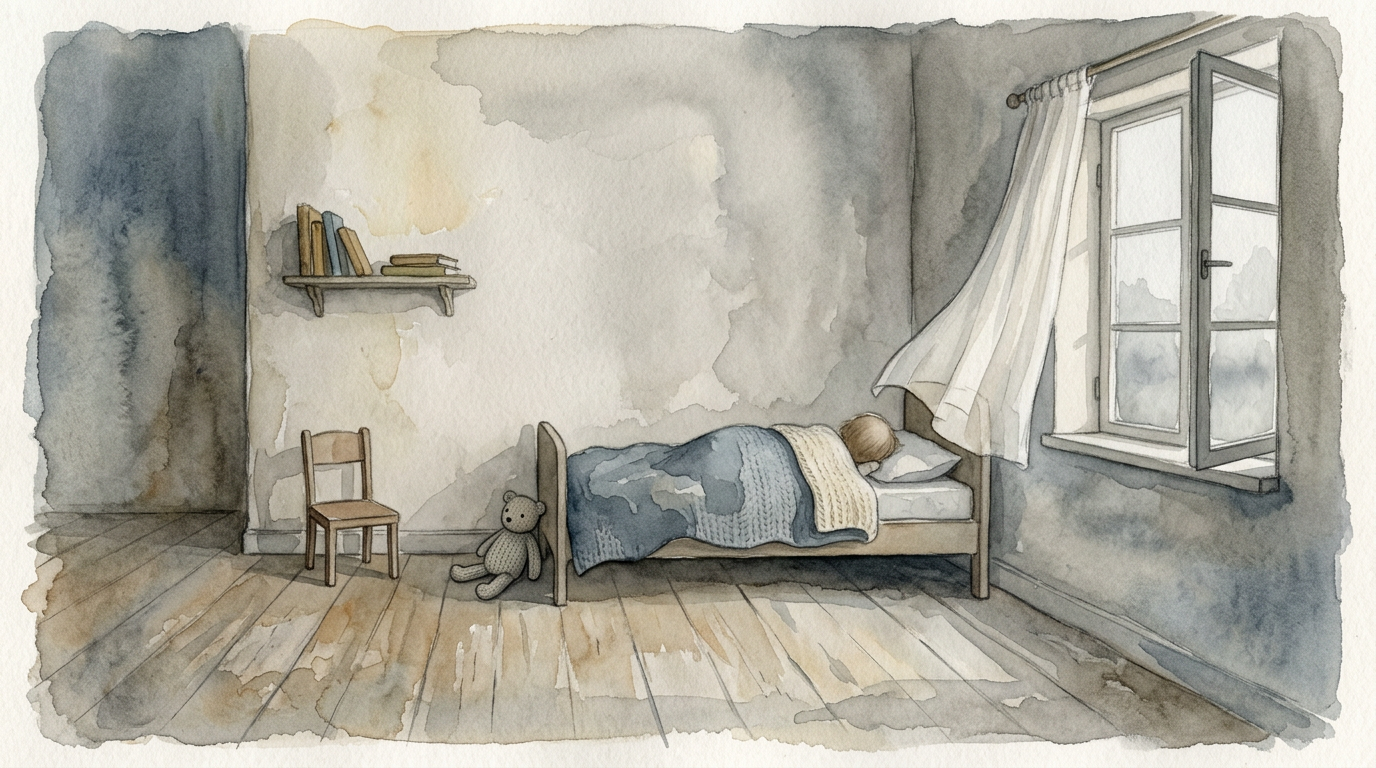
The slow degradation of a building's exterior — manifesting in peeling paint and crumbling plaster — is rarely a matter of age alone. It is a visible failure of a material system under the constant stress of the environment. Facades exist in a state of perpetual conflict with solar radiation, fluctuating temperatures, and moisture infiltration. When these variables are not accounted for during construction or renovation, the bond between substrate and protective coating inevitably breaks. The result is not merely unsightly; it signals a progressive loss of the building envelope's capacity to protect the structure beneath.
The problem is widespread. In tropical and subtropical climates, where intense UV exposure alternates with heavy rainfall, exterior surfaces endure thermal cycling that can cause materials to expand and contract several times in a single day. In temperate regions, freeze-thaw cycles introduce a different but equally destructive mechanical stress. The physics are straightforward: when water penetrates a porous surface and then expands as temperatures drop, it fractures the material from within. Across climatic zones, the underlying dynamic is the same — the environment is an adversary that never rests.
The Diagnostic Gap in Building Maintenance
Preventing facade decay requires a diagnostic approach rather than a purely cosmetic one. Yet the dominant practice in residential and even commercial maintenance remains reactive: when paint peels, apply more paint. This cycle of superficial repair is both wasteful and counterproductive. Often, the culprit is not the quality of the topcoat but the condition of the surface beneath it. Moisture trapped within masonry, the presence of efflorescence — the white crystalline deposits left by mineral salts migrating to the surface — or micro-fissures invisible to the naked eye can all push a finish away from the wall from the inside out.
Without addressing these underlying pathologies, any new layer of protection is destined to fail prematurely. Proper surface preparation involves identifying the source of moisture intrusion, repairing structural cracks, allowing substrates to dry to appropriate levels, and applying primers formulated to bond with the specific material — whether concrete, brick, or render. This sequence is well established in construction engineering literature, yet it is routinely skipped in practice, particularly in residential contexts where cost and speed take precedence over protocol.
The gap is partly informational. Homeowners and small contractors often lack access to the technical guidance that governs large-scale commercial projects, where facade performance is subject to warranty obligations and regulatory scrutiny. Bridging that gap — through clearer product labeling, accessible technical standards, or municipal maintenance guidelines — could reduce the cycle of premature failure that wastes both resources and money.
The Facade as High-Performance Skin
The shift toward more durable housing depends on viewing the facade not as a decorative surface but as a high-performance skin. This framing, borrowed from building science, treats the exterior wall as a system with multiple functional layers: structure, insulation, moisture barrier, and finish. Each layer must be compatible with the others and calibrated to the specific climatic loads the building will face over its lifetime.
Choosing specialized coatings designed for local conditions — elastomeric paints that accommodate thermal movement, silicone-based water repellents for rain-exposed elevations, UV-resistant formulations for sun-facing walls — combined with rigorous surface cleaning and repair, can significantly extend a building's service life. The material science behind these products has advanced considerably, offering options that were unavailable or prohibitively expensive a generation ago.
In an era of increasingly volatile weather patterns, the longevity of urban infrastructure rests on these systematic interventions in material maintenance. The tension, however, lies between what building science knows and what the market incentivizes. Short renovation cycles generate recurring revenue for contractors and paint manufacturers; long-lasting solutions do not. Whether the economics of durability can overcome the economics of repetition remains an open question — one that property owners, municipalities, and the coatings industry each answer differently.
With reporting from Olhar Digital.
Source · Olhar Digital