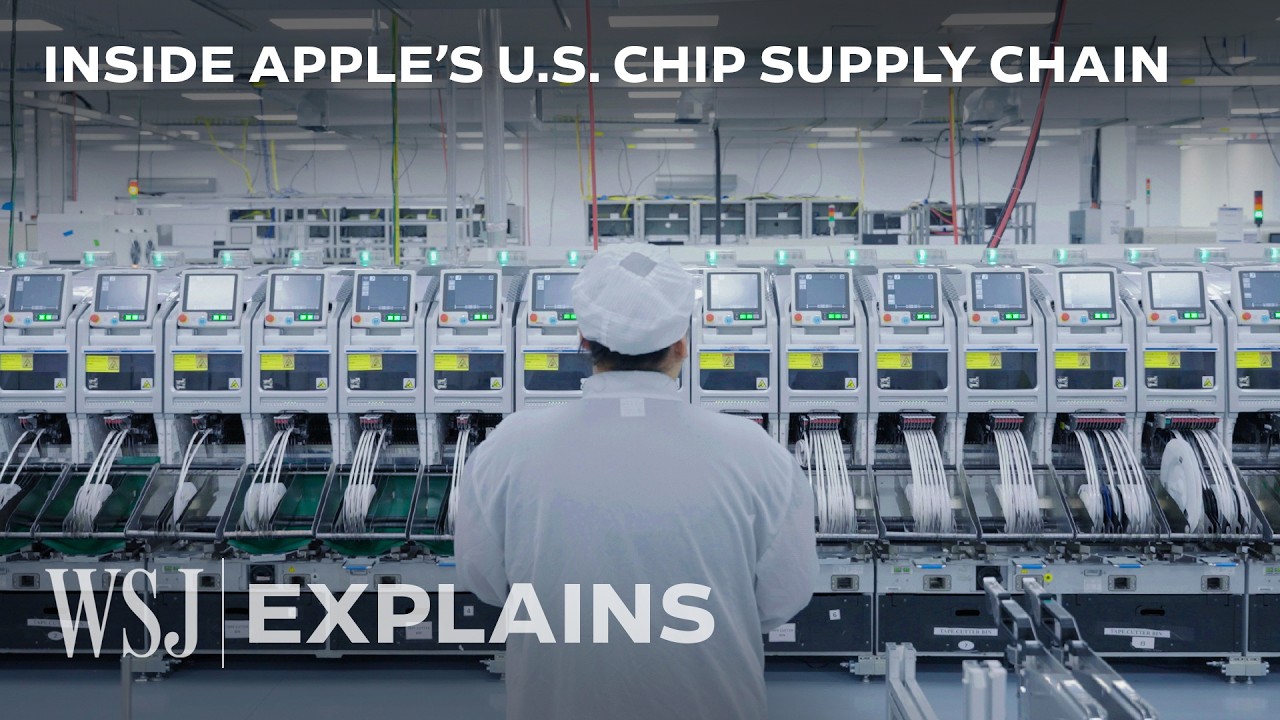
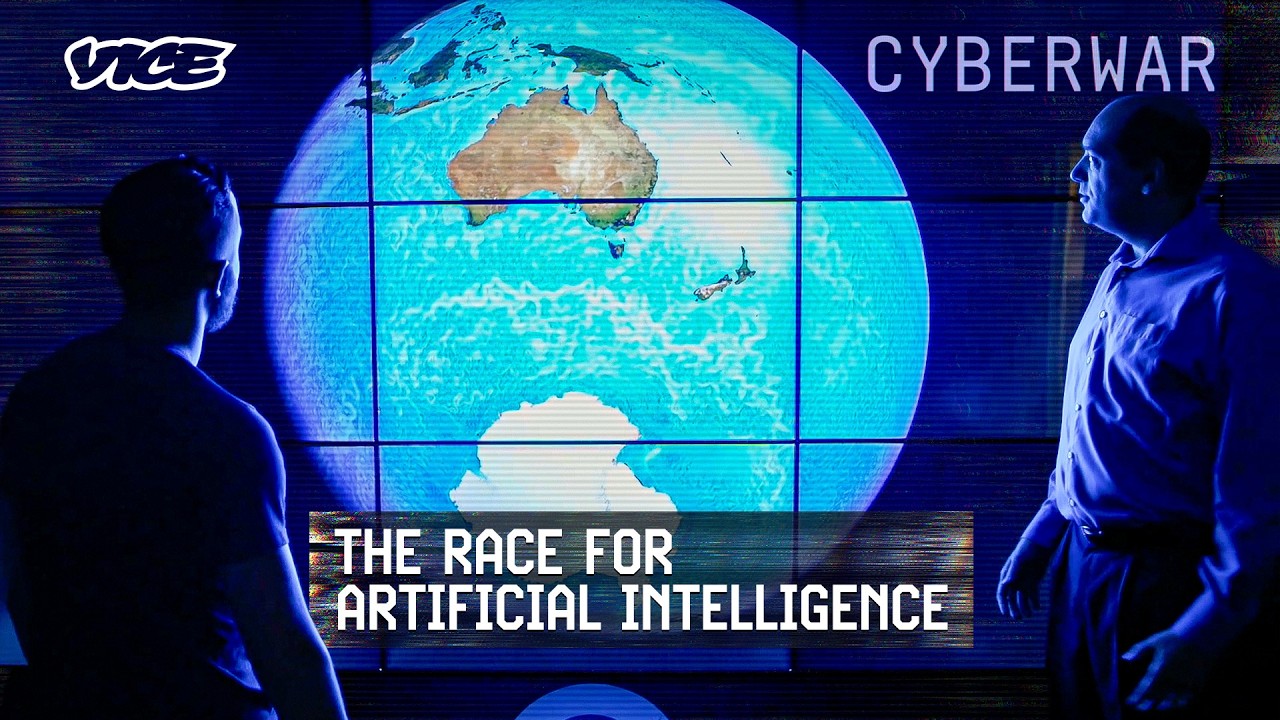
The architecture of the modern global economy rests on a foundation measured in nanometers. Rather than software or abstract algorithms, the true bottleneck of the artificial intelligence revolution is physical manufacturing. As Tufts University historian Chris Miller notes, the proliferation of semiconductors has created an unprecedented geopolitical chokehold. The global supply chain for microchips is not a robust network of redundancies, but a precarious tightrope strung between a handful of highly specialized nodes. From $20 billion fabrication facilities in Taiwan to the exclusive extreme ultraviolet lithography machines produced by a single Dutch firm, ASML, the production of advanced silicon dictates international relations. This concentration of manufacturing power has transformed a tiny square of silicon into the ultimate strategic resource, redefining national security for the twenty-first century.
The Geography of Silicon Scarcity
The origin of the microchip is inherently American, rooted in the defense contracts and aerospace demands that built 1950s Silicon Valley. However, the contemporary landscape of semiconductor production bears little resemblance to its vertically integrated past. The shift toward a fabless manufacturing model—pioneered most successfully by the Taiwan Semiconductor Manufacturing Company (TSMC)—fundamentally fractured the global supply chain. By separating the design of chips from their physical fabrication, the industry achieved staggering economic efficiency but incurred massive geopolitical risk. Today, the intellectual property may reside in California, but the physical realization of that technology requires crossing the Pacific.
This geographic dispersion creates a fragility that the COVID-19 pandemic only briefly exposed. The true threat is not an accidental disruption, but a deliberate geopolitical maneuver. The production of cutting-edge chips requires equipment of staggering complexity, most notably ASML’s lithography machines, which utilize mirrors so smooth that if scaled to the size of the Earth, the tallest mountain would be a fraction of an inch high. Controlling these machines, and the fabrication plants that house them, is akin to controlling the Strait of Hormuz during the peak of the petroleum era. The ongoing U.S.–China tensions are fundamentally a struggle over who maintains access to this hyper-specialized manufacturing capacity.
Moore’s Law and the AI Power Problem
The artificial intelligence revolution is accelerating the demand for advanced semiconductors precisely as the physical limits of Moore’s Law become increasingly difficult to overcome. For decades, the industry relied on the reliable shrinking of transistors to double computing power at regular intervals. In the age of generative AI, this unmatched pace of computing must be sustained not just to improve consumer electronics, but to train massive neural networks that require millions of calculations per second. The cutting edge of chip technology is now less about raw transistor count and more about specialized architectures designed specifically to handle the immense workloads of machine learning.
This pivot brings a secondary, often overlooked crisis: energy consumption. The power problem associated with modern AI infrastructure is immense. As chips become more complex and data centers scale to unprecedented sizes, the electrical grid itself becomes a limiting factor. The United States government’s response, most notably the CHIPS Act, attempts to reshore manufacturing to mitigate supply chain risks, but it does little to solve the fundamental thermodynamics of advanced computing. The ambition to build domestic $20 billion fabrication plants addresses the geopolitical vulnerability, but the industry must still confront the staggering energy cost required to keep the AI revolution powered.
The semiconductor industry is no longer merely a sector of the technology market; it is the underlying substrate of global power. The transition from software abundance to hardware scarcity requires a fundamental reassessment of how technological supremacy is maintained. As nations race to secure their supply chains and build domestic fabrication capacity, the illusion of a borderless digital world dissolves. The future of artificial intelligence, economic dominance, and international security will not be decided by code, but by the relentless, capital-intensive grind of manufacturing at the atomic scale.
Source · The Frontier | Technology