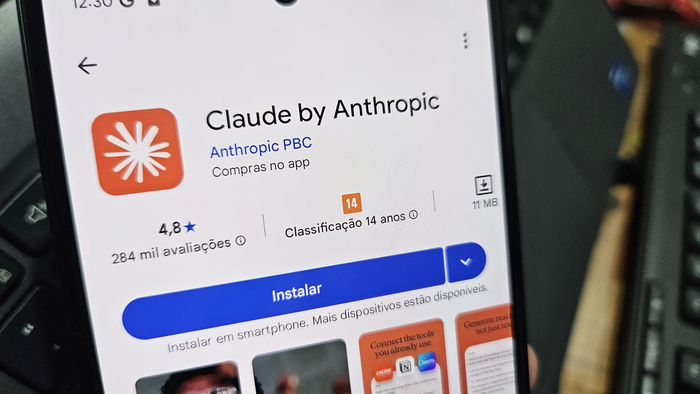
Anthropic is expanding the functional boundaries of its Claude ecosystem with the introduction of Claude Design, a new tool designed to transform text prompts and raw data into structured visual presentations and interactive prototypes. Currently in a rolling beta for Pro and Enterprise subscribers, the feature signals a deliberate shift for the AI lab — moving from text-based dialogue toward the spatial reasoning required for layout, composition, and user interface design.
At the core of this transition is Opus 4.7, Anthropic's most capable vision model to date. Unlike traditional generative tools that produce static images, Claude Design operates through a conversational interface, allowing users to iterate on a project via specific comments or adjustable sliders. The system can ingest various inputs — including DOCX, PPTX, and XLSX files — and even scrape elements from live websites to ensure that prototypes remain grounded in a brand's existing digital identity. Outputs can be exported to formats like PDF and Canva, or rendered as interactive HTML prototypes.
From language model to design surface
The move represents a meaningful expansion of what an AI assistant is expected to do. For most of their commercial life, large language models have operated within the confines of a text box: a user types a prompt, the model returns prose. Some tools added image generation or code execution, but the underlying interaction pattern remained conversational. Claude Design breaks that pattern by treating the model's output not as a response to be read but as an artifact to be manipulated — a slide deck to be reordered, a prototype to be clicked through, a layout to be refined.
This is part of what the industry has come to call "agentic" AI: systems that do not merely answer questions but perform multi-step tasks with tangible outputs. The distinction matters commercially. A chatbot that drafts talking points competes for a user's attention against a search engine or a note-taking app. A tool that produces a finished presentation competes against Canva, Google Slides, and Microsoft PowerPoint — products with far larger addressable markets and deeper integration into enterprise workflows.
Anthropic's decision to support ingestion of existing file formats and live website scraping suggests the company understands this competitive terrain. Design tools succeed not by starting from a blank canvas but by reducing the friction between what already exists and what a user needs next. The ability to pull brand elements from a live site, for instance, addresses one of the persistent pain points in corporate design work: maintaining visual consistency across outputs produced by different teams and tools.
The competitive landscape narrows
The launch places Anthropic in more direct competition with established design platforms and productivity suites simultaneously. Canva has invested heavily in AI-assisted design features over the past two years. Adobe has embedded generative models across its Creative Cloud applications. Microsoft's Copilot already generates PowerPoint decks from Word documents and meeting transcripts. Google has pursued similar integrations within its Workspace suite.
What distinguishes Claude Design, at least in its stated ambition, is the conversational iteration loop. Rather than offering a one-shot generation — input a prompt, receive a deck — the tool frames design as an ongoing dialogue between user and model. Whether that interaction model proves more efficient than the template-driven approaches of incumbents remains an open question. Conversational refinement offers flexibility, but it also demands more from the user, who must articulate what they want changed rather than simply clicking and dragging.
There is also the question of where Anthropic draws the boundary of this tool's ambition. Interactive HTML prototypes sit in a different professional category than slide decks. The former is the domain of specialized tools like Figma, while the latter belongs to the productivity suite. Serving both audiences from a single conversational interface is technically elegant but commercially complex — the expectations, quality bars, and integration requirements differ substantially between a marketing team building a quarterly review and a product designer mocking up a new feature.
The broader trajectory is clear enough: AI companies are moving from generating text to generating work products. The competitive question is no longer which model writes the best paragraph but which system produces the most usable artifact. Whether Anthropic can sustain that ambition against incumbents who control the distribution channels — the office suites, the design platforms, the enterprise contracts — is the tension that will define this next phase.
With reporting from Canaltech.
Source · Canaltech