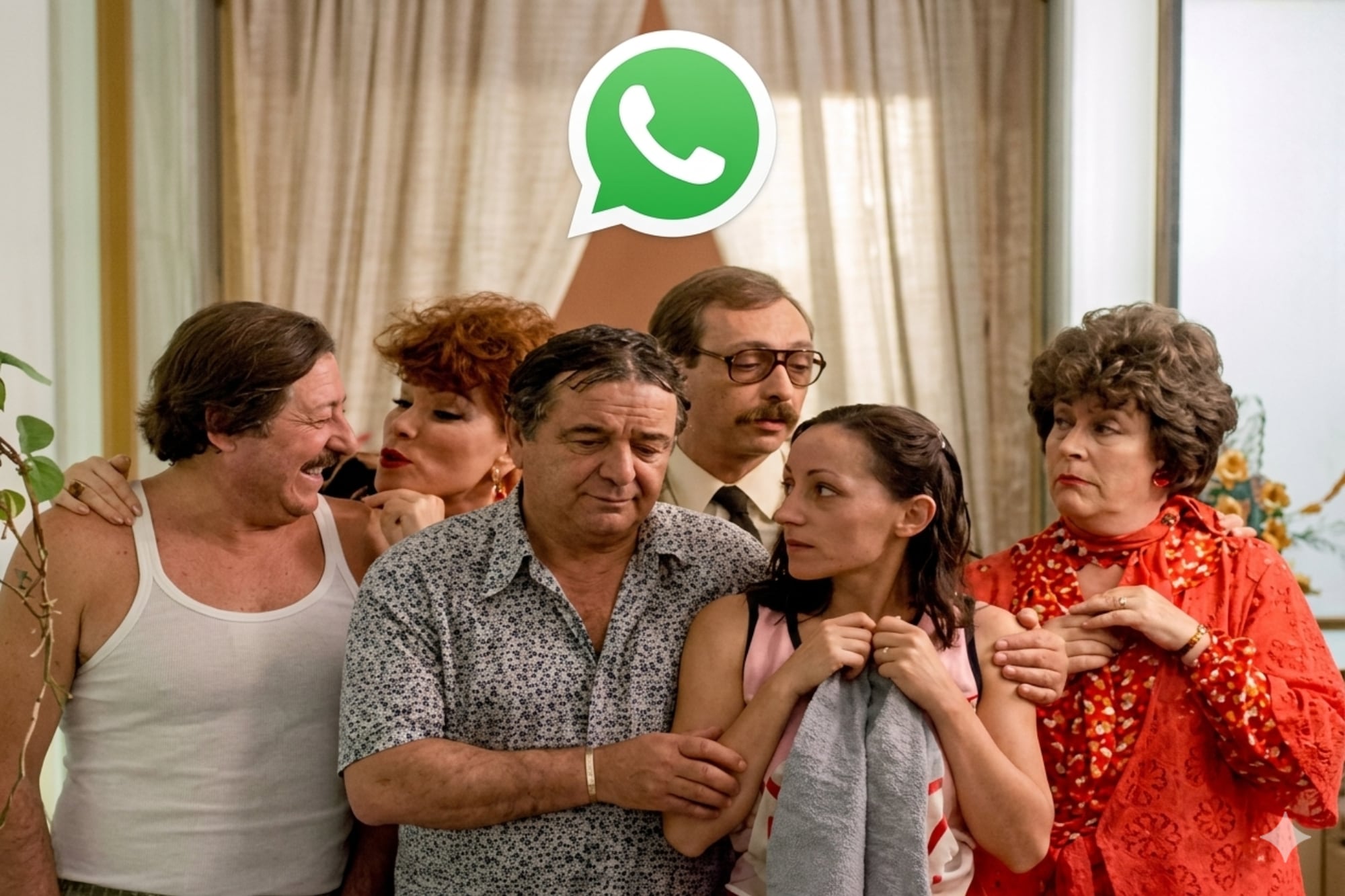
In the landscape of digital interfaces, the monolithic aesthetic of global platforms often leaves little room for local cultural expression. Yet in Argentina, a subset of users is reclaiming their mobile experience by integrating a 1985 cinematic masterpiece into their daily communication. Fans of Esperando la carroza (Waiting for the Hearse), Alejandro Doria's dark comedy about a dysfunctional family gathering, are customizing their WhatsApp icons to feature the film's most enduring characters — most notably the matriarch Mamá Cora, played by Antonio Gasalla in one of Argentine cinema's most quoted performances.
The trend is not an official feature from Meta. It relies instead on third-party Android "launchers" such as Nova Launcher — applications that replace a phone's default home screen environment and allow users to swap standardized app icons for custom images. The internal functionality of WhatsApp remains untouched; only the visual shortcut changes. But that cosmetic shift, small as it is, has become a quiet cultural statement.
A Film That Refuses to Leave the Room
Esperando la carroza occupies a singular place in Argentine popular culture. Released in 1985, the film was a modest box-office performer that found its true audience through television reruns and home video, eventually becoming one of the most quoted films in the country's history. Its dialogue — sharp, absurd, laced with the cruelty of family obligation — has seeped into everyday Argentine Spanish in much the same way lines from Monty Python circulate in Anglophone culture. Characters like Mamá Cora, the elderly mother whose fate sets the plot in motion, and Nora (played by China Zorrilla), whose theatrical despair became a meme decades before the term existed, are recognized across generations.
This endurance matters for understanding why the WhatsApp icon hack resonates. The film is not merely remembered; it is actively used as a shared language. Argentine social media is dense with Esperando la carroza references — GIFs, stickers, audio clips — deployed in group chats and comment sections as rhetorical shorthand. Placing Mamá Cora on the home screen is less an act of nostalgia than one of cultural affiliation, a signal that the user belongs to a community that communicates partly through the film's vocabulary.
Customization Against Homogeneity
The technical mechanism behind the trend — launcher apps that override default icon packs — is neither new nor specific to Argentina. Nova Launcher and similar tools have existed on Android for over a decade, serving users who want granular control over their device's appearance. What is notable here is the cultural specificity of the use case. Global platforms like WhatsApp impose a uniform visual identity across billions of devices. The green speech-bubble icon is identical in Buenos Aires, Berlin, and Bangalore. Launcher-based customization disrupts that uniformity at the individual level, turning a corporate logo into a canvas for local meaning.
This sits within a broader tension in platform design. As major technology companies consolidate around standardized interfaces — partly for brand coherence, partly for usability — users periodically push back through workarounds that reassert personal or cultural identity. The phenomenon is visible in everything from custom keyboard skins to the persistent popularity of jailbreaking. Each instance is minor in isolation. Taken together, they suggest a sustained friction between the logic of global scale and the human impulse to make digital spaces feel locally inhabited.
The Esperando la carroza icon swap is, in practical terms, trivial. It changes nothing about how messages are sent or received. But it converts the most frequently tapped square on an Argentine phone into a small declaration: that a four-decade-old satire of family dysfunction still speaks more directly to daily life than the branding of a trillion-dollar corporation. Whether Meta notices or cares is beside the point. The audience for this gesture is not Silicon Valley — it is the user themselves, and anyone who glances at their screen and recognizes Mamá Cora staring back.
With reporting from La Nación.
Source · La Nación — Tecnología