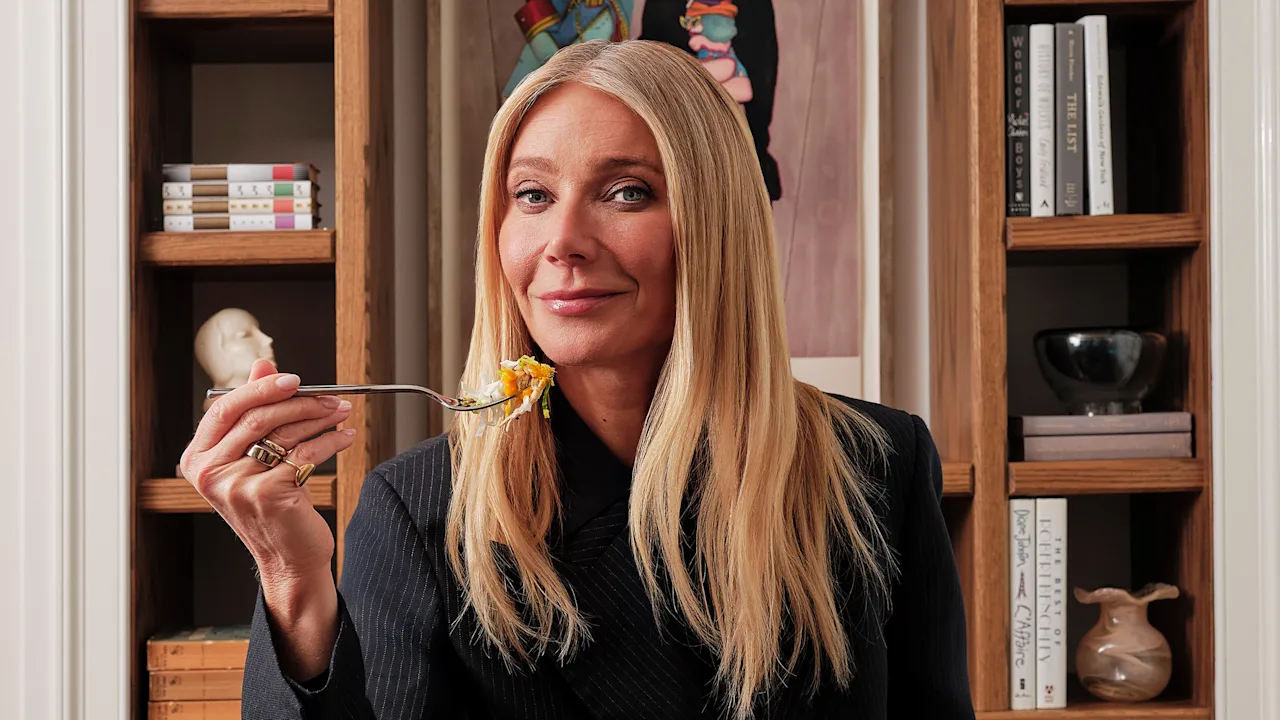
Goop Kitchen, the delivery-focused food venture born from Gwyneth Paltrow's lifestyle empire, is preparing to cross the continent. The brand announced plans to open seven locations in New York City by the end of 2026, beginning with a hub in Midtown West and extending into neighborhoods such as the Upper East Side, Flatiron, and East Williamsburg. The expansion marks a significant geographic bet for a company that has built its culinary operation almost entirely within California, where it currently operates 14 sites and has processed some three million orders.
The New York rollout is part of a broader plan to reach 25 total locations nationwide by the end of the year. Most will remain delivery-centric — kitchens optimized for fulfillment rather than foot traffic — but the pipeline also includes Goop Kitchen's first-ever dine-in restaurant, a notable departure from the ghost kitchen model that defined the brand's early identity.
A ghost kitchen graduates
The ghost kitchen concept surged during the pandemic years, when restaurants stripped back their physical footprints and redirected capital toward delivery infrastructure. Dozens of operators — from celebrity-backed brands to venture-funded startups — launched kitchens with no public-facing storefronts, relying entirely on third-party delivery platforms and direct ordering apps. The model promised lower overhead, faster scaling, and freedom from the punishing economics of urban real estate.
Many of those ventures have since folded or retrenched. The economics proved more fragile than advertised: delivery commissions eroded margins, customer acquisition costs remained high, and brand loyalty was difficult to build without a physical presence. What Goop Kitchen appears to be testing is whether a brand with pre-existing cultural recognition can succeed where generic ghost kitchens could not. The Goop name carries a built-in audience — polarizing, certainly, but large and commercially engaged. That brand equity may function as a subsidy of sorts, reducing the marketing spend required to generate order volume in a new market.
The planned dine-in location signals that the company recognizes the limits of pure delivery. A physical restaurant serves as both a revenue stream and a marketing asset — a place where the brand becomes tangible, where presentation and sourcing claims can be experienced rather than merely described on a screen. The hybrid approach echoes strategies adopted by other digitally native brands that eventually discovered the value of selective physical retail.
Entering a stressed market
The timing of the New York expansion is worth scrutiny. The fast-casual sector, once among the most reliable growth categories in American food service, has entered a period of visible strain. Established chains have reported challenges with foot traffic, rising input costs, and consumer fatigue with price increases. The competitive landscape in Manhattan and Brooklyn is particularly dense, with high rents compounding the pressure on unit economics.
Goop Kitchen's positioning as a premium wellness-oriented option is a deliberate attempt to sidestep direct competition with value-driven fast-casual operators. The brand emphasizes ingredient sourcing and aesthetic presentation — qualities that command higher price points but also attract a narrower customer base. Whether that base is deep enough in New York to sustain seven locations is an open question. California's wellness culture provided a natural habitat for the brand; New York's food market is larger but also more fragmented, with consumers accustomed to an extraordinary range of options at every price tier.
There is also the question of operational execution. Scaling from 14 locations in a single state to 25 across multiple markets introduces logistical complexity — supply chain management, local regulatory compliance, workforce recruitment in a tight urban labor market. Ghost kitchens simplify some of these variables by eliminating front-of-house operations, but they do not eliminate them entirely.
The broader significance of Goop Kitchen's move may lie less in its individual success or failure than in what it reveals about the next phase of delivery-first food brands. The first wave of ghost kitchens treated anonymity as a feature. The emerging model treats brand identity as the essential ingredient — the thing that justifies the premium, sustains repeat orders, and eventually earns the right to occupy physical space. Whether Goop Kitchen can execute on that thesis in the most competitive restaurant market in the country will say something about the ceiling for celebrity-driven, digitally native food ventures more broadly.
With reporting from Fast Company.
Source · Fast Company