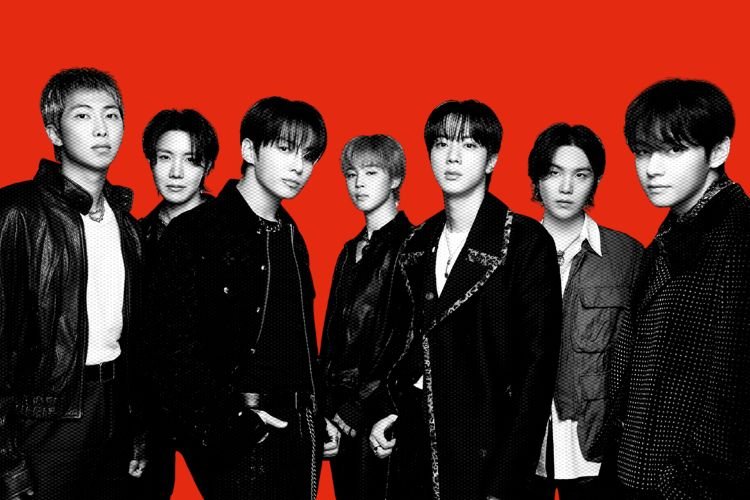
South Korean prosecutors have requested an arrest warrant for Bang Si-hyuk, the billionaire founder and chairman of Hybe, on allegations of fraud. The move represents a serious legal escalation for the executive widely credited with turning K-pop into one of South Korea's most valuable cultural exports. If the warrant is granted by a Seoul court, Bang would become one of the highest-profile figures in the entertainment industry to face detention in recent years.
Hybe, formerly known as Big Hit Entertainment, is the agency behind BTS, the group that redefined the commercial ceiling for non-English-language pop music. Under Bang's stewardship, the company expanded from a single-act label into a conglomerate managing acts such as Seventeen, Katseye, and Illit, while also acquiring established agencies including Pledis Entertainment and Source Music. Hybe went public on the Korea Exchange in 2020, and its trajectory since has been closely watched as a bellwether for the broader K-pop business model.
Corporate governance under the spotlight
The specific contours of the fraud allegations have not been fully detailed in public filings, but the decision by prosecutors to seek an arrest warrant — rather than pursue a less aggressive investigative path — signals a degree of confidence in the underlying evidence. South Korean corporate law grants prosecutors broad authority to request pre-trial detention when there is concern about evidence destruction or flight risk, though courts do not rubber-stamp such requests. The outcome of the warrant hearing will itself be a significant data point.
The timing compounds what has already been a turbulent stretch for Hybe's internal affairs. Over the past two years, the company has navigated a highly public dispute with ADOR, its subsidiary label responsible for the group NewJeans, which involved allegations of corporate espionage, breaches of trust, and competing claims over creative control. That conflict drew unusual public attention to the contractual and governance structures that underpin K-pop's label ecosystem — structures that have historically operated with limited outside scrutiny. The fraud investigation now places Bang himself, rather than a subsidiary executive, at the center of the storm.
For South Korea's entertainment sector, the episode fits a broader pattern. The country's chaebol-adjacent corporate culture has produced repeated cycles in which founders or controlling shareholders of major firms face criminal investigation. Samsung, SK Group, and Lotte have all seen senior leaders prosecuted, convicted, and in some cases pardoned. The K-pop industry, despite its cultural distinctiveness, is not structurally immune to similar governance risks — particularly as agencies have scaled into publicly listed, multi-billion-dollar entities with complex subsidiary architectures.
What the K-pop machine stands to lose
The practical question for Hybe is whether the legal proceedings will disrupt operations or trigger a leadership transition. Bang has served as both the creative and strategic architect of the company, a dual role that concentrates institutional knowledge but also institutional risk. Publicly traded entertainment companies in South Korea have limited precedent for navigating the detention of a founder without significant market and organizational turbulence.
There is also a reputational dimension that extends beyond the balance sheet. K-pop's global appeal rests in part on a perception of disciplined, almost industrial-grade management — a system that reliably produces polished artists, synchronized content rollouts, and carefully managed fan ecosystems. A fraud case at the apex of that system introduces a tension between the image of precision and the reality of corporate conduct.
The warrant request does not constitute a conviction, and Bang is entitled to the presumption of innocence under South Korean law. But the forces now in play — prosecutorial momentum, investor scrutiny, internal organizational stress, and the weight of public attention — create a set of pressures that will test whether Hybe's institutional structure can function independently of the man who built it.
With reporting from Exame Inovação.
Source · Exame Inovação


/s3/static.nrc.nl/wp-content/uploads/2026/04/21113725/210426VER_2033179666_on.jpg)