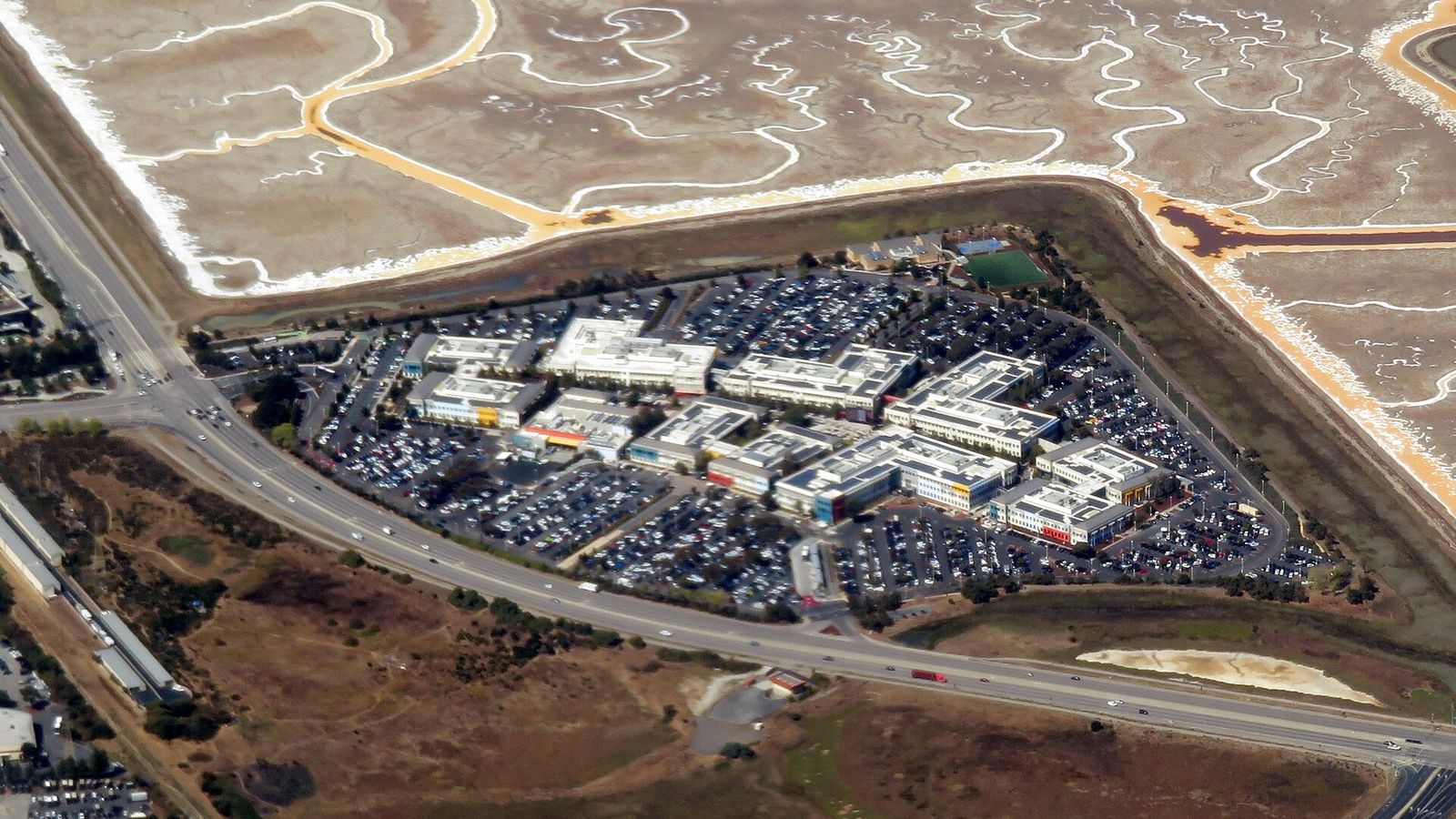
Mark Zuckerberg's "Year of Efficiency," first declared in 2023, has evolved from a temporary correction into a permanent structural philosophy. Meta is set to begin a fresh round of companywide layoffs on May 20, cutting approximately 8,000 employees — roughly 10 percent of its current workforce. The move brings the total headcount reduction since late 2022 to nearly 25,000, a contraction that has reshaped the social media giant's organizational profile in ways that go well beyond cost-cutting.
The logic behind the latest round is no longer about trimming pandemic-era bloat. It is a calculated reallocation of capital. Meta is pivoting aggressively toward artificial intelligence, with plans to invest between $115 billion and $135 billion into the infrastructure required to power the next generation of generative models. In the cold calculus of Menlo Park, the cost of top-tier GPUs and massive data centers is being weighed against the payroll of thousands of engineers and administrators.
Layoffs as capital strategy
Large-scale workforce reductions in the technology sector have historically followed two patterns: defensive cuts made during downturns, and offensive restructurings designed to redirect resources toward a new strategic priority. Meta's current trajectory fits squarely into the second category. The company is not retreating from ambition — it is concentrating it.
This distinction matters. When a company reduces headcount while simultaneously committing nine or ten figures to infrastructure spending, the layoffs function less as austerity and more as a financing mechanism. Payroll savings free up operating cash flow that can be redirected toward capital expenditure without requiring proportional increases in debt or equity issuance. The approach mirrors moves made by other large technology firms in recent years, where workforce contractions have coincided with record capital deployment in AI compute, cloud infrastructure, and semiconductor supply agreements.
Meta's restructuring also reflects a broader bet on automation within its own operations. As generative AI tools become capable of handling tasks once performed by mid-level engineers, product managers, and content moderators, the economic rationale for maintaining large human teams in those functions weakens. The company appears to be acting on that logic ahead of the curve — reducing headcount now in anticipation of productivity gains from the very technology it is building.
The infrastructure arms race
Meta's spending plans place it firmly in the upper tier of what has become an industry-wide infrastructure arms race. The largest technology companies are competing to secure GPU supply, build out data center capacity, and develop proprietary model architectures at a pace that would have seemed implausible even two years ago. Access to compute has become a strategic bottleneck, and the companies willing to spend the most — and fastest — stand to gain durable advantages in model capability and deployment speed.
The internal projections suggesting additional cuts in the second half of 2026 reinforce the impression that Meta views this restructuring as a multi-year roadmap rather than a singular event. Each successive round of reductions tightens the organization further, concentrating resources around the company's AI ambitions while shedding functions deemed peripheral to that mission.
The risk, of course, is that the bet proves premature or misdirected. AI infrastructure spending at this scale carries significant execution risk: construction delays, supply chain constraints for advanced semiconductors, and the possibility that the revenue models for generative AI may take longer to materialize than the capital markets currently assume. Meta's advertising business remains highly profitable and could absorb short-term inefficiencies, but the margin for error narrows as the capital commitments grow.
What emerges is a company that has chosen to treat its workforce as a variable cost in service of a fixed strategic objective. Whether that objective delivers returns commensurate with the investment — and the human cost — remains the open question. The tension between the scale of the infrastructure bet and the uncertainty of its payoff is one that investors, employees, and competitors will be watching closely in the quarters ahead.
With reporting from The Next Web.
Source · The Next Web