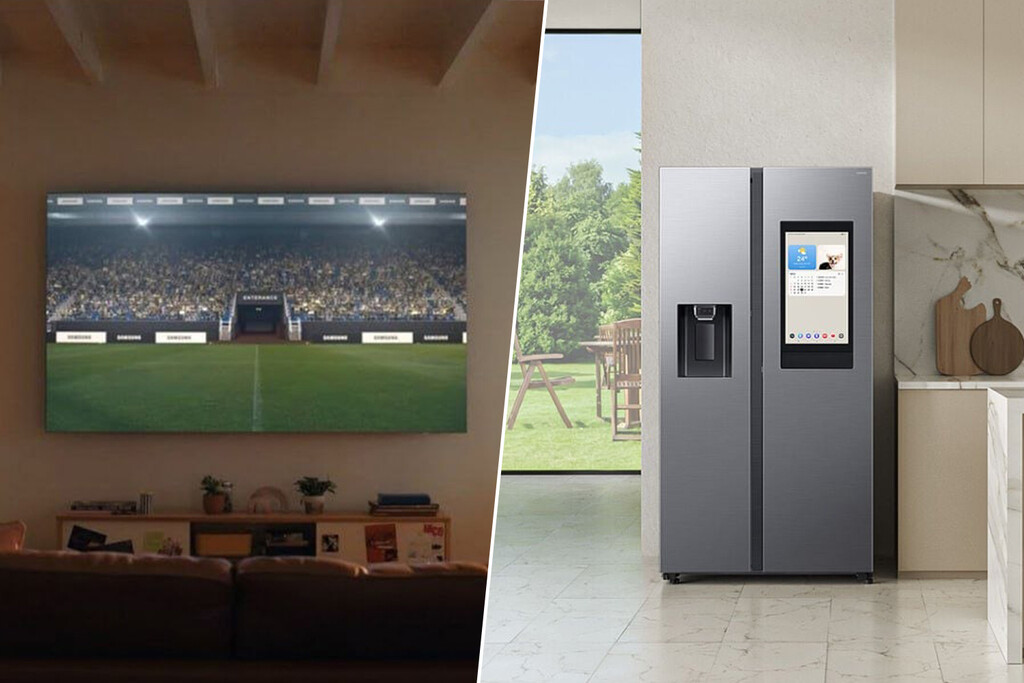
The seasonal promotional cycle has long served as a bellwether for consumer electronics giants, and Samsung's latest moves in Europe suggest a concerted effort to scale its domestic ecosystem. By offering steep discounts on high-margin hardware — including 75-inch QLED televisions and "Bespoke AI" appliances — the company is effectively lowering the barrier for entry into its SmartThings platform, the software layer that ties Samsung devices into a single controllable network.
The timing is deliberate. Mother's Day promotions across European markets have become a reliable moment for electronics brands to move large-ticket items that might otherwise sit in warehouses through the slower spring quarter. Samsung appears to be using the occasion not simply to clear inventory but to accelerate adoption of its connected-home stack — the combination of hardware, firmware, and cloud services that turns individual appliances into a unified system.
Appliances as Platform Entry Points
Among the notable price adjustments are refrigerators and washing machines that carry the company's "Bespoke AI" branding. These units include features like "SpaceMax" thin-wall insulation technology, which increases interior storage capacity without enlarging the external footprint, and "Ecobubble," a cold-wash system designed to reduce energy consumption. The products are being positioned not merely as utility items but as nodes in a broader data-driven household. The integration of AI into basic white goods reflects a shift toward appliances that can optimize energy use, flag maintenance needs, and communicate with a centralized hub.
This approach mirrors a pattern familiar from the smartphone era: sell the device at an aggressive margin, then recoup value through the ecosystem it feeds. SmartThings, Samsung's home-automation platform, gains strategic weight with every additional appliance connected to it. Each refrigerator or washing machine that joins the network increases the switching cost for a household considering a competitor's television or air conditioner. The logic is not unlike what printer manufacturers discovered decades ago — the razor-and-blades model — except the "blades" here are software engagement, data insights, and long-term brand lock-in across an entire home.
Samsung is not alone in pursuing this strategy. Competitors across the appliance and consumer electronics sectors have been embedding connectivity and machine-learning features into household products for several years. LG's ThinQ platform and the broader Matter interoperability standard, backed by Apple, Google, and Amazon among others, represent alternative visions of the connected home. The race is less about any single product category and more about which company can establish its software layer as the default operating system of domestic life.
Financing as a Growth Lever
The financial architecture of these sales is equally telling. By pairing significant price cuts with interest-free, 24-month financing through partners like PayPal, Samsung is targeting a broader demographic for its high-end displays and smart appliances. Large-format QLED televisions and AI-branded refrigerators carry price points that place them firmly in the premium segment; installment plans effectively reframe a capital expenditure as a manageable monthly cost. It is a strategy of ubiquity: ensuring that the next generation of "smart" homes is built on a foundation of Samsung silicon and software.
The question is whether aggressive pricing translates into genuine ecosystem stickiness or merely moves units. A discounted television still needs to deliver a software experience compelling enough to keep a household within the Samsung orbit when the next purchase decision arises. Hardware margins can be recovered over time through services and data — but only if the platform delivers sustained utility beyond the initial sale.
Samsung's European promotional push, then, is less a story about seasonal discounts and more a test of a broader thesis: that the connected home will be won not by the best individual product, but by the most frictionless path to a fully integrated household. Whether consumers are buying into that vision — or simply buying a large television at a good price — remains the tension at the center of the strategy.
With reporting from Xataka.
Source · Xataka