What happened
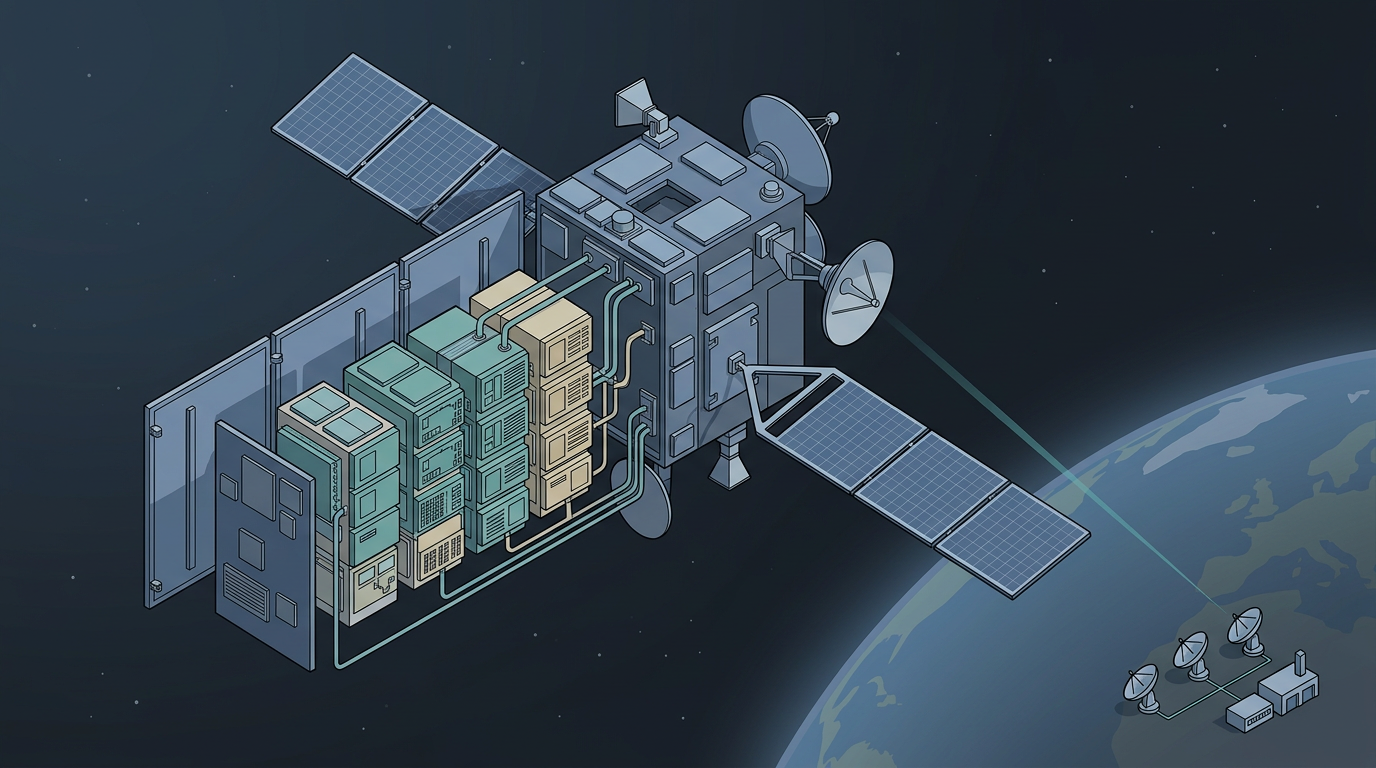
Breaking Defense, a defense-focused news and analysis outlet, published a sponsored feature titled "Accelerating space power through software-defined mission dominance." The piece argues that as threats in the space domain continue to evolve, existing on-orbit satellites require new capabilities — and that software-defined architectures offer a path to delivering those capabilities after launch, without requiring new hardware.
The article is identified as sponsored content. The specific sponsor and any named products, programs, or contracts referenced in the full piece are not detailed in the available evidence summary.
Why it matters
The argument for software-defined satellites reflects a recognized challenge in military space operations: traditional satellite programs are built around fixed hardware payloads, meaning capabilities are largely locked in at the time of launch. As adversary capabilities in space — including jamming, spoofing, and direct-ascent threats — develop faster than procurement cycles, the ability to push new mission software to existing assets has become a point of strategic interest for defense planners.
Breaking Defense, which covers defense acquisition and technology for a professional military and industry audience, is a tier-A source in this category. However, because this signal originates from sponsored content, the claims it contains represent the sponsor's stated position and should not be treated as independent editorial findings.
What to watch next
Independent reporting or government program announcements that corroborate or expand on the software-defined satellite capability argument would help validate the broader claims made in the sponsored piece. Procurement signals from the U.S. Space Force or allied space agencies referencing software-upgradeable satellite architectures would be a meaningful indicator of whether this framing is gaining institutional traction.
Source · Breaking Defense