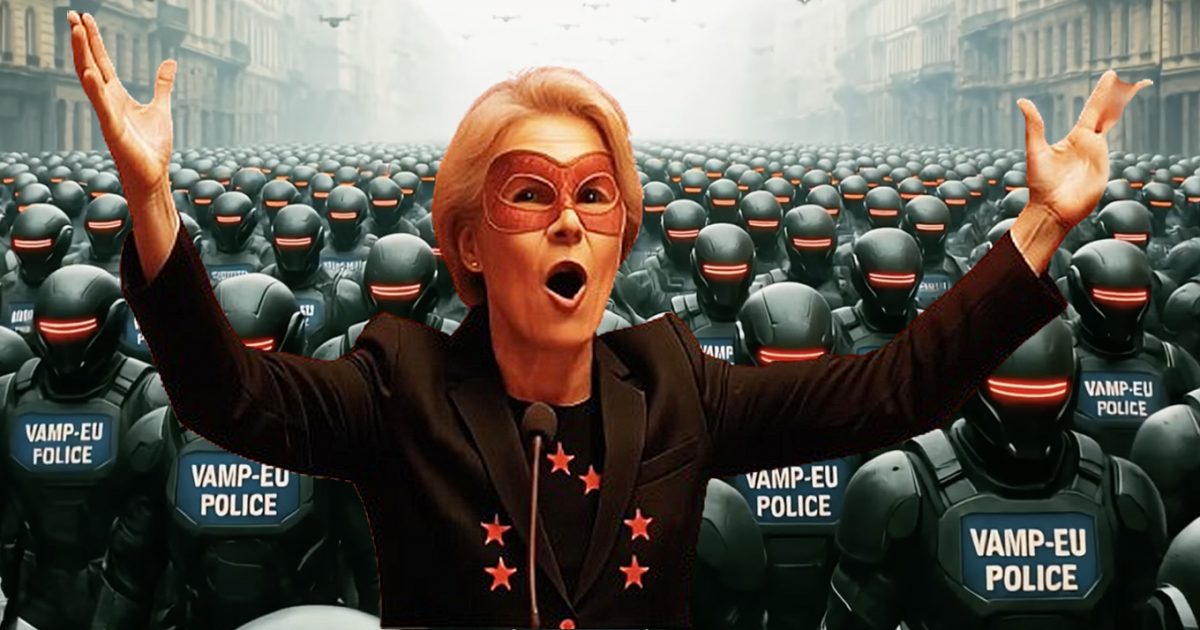
The French rap scene is navigating an unexpected ideological shift. Paolo Rotelli, performing under the moniker MC Pao, has launched Tractolabel, a label and cultural project that fuses hip-hop with an explicitly libertarian political stance. Through what he calls the "Tractopelle Musik" movement, Rotelli is introducing a brand of anti-establishment rhetoric that borrows heavily from the visual and discursive playbook of the American New Right — a development that raises pointed questions about the political elasticity of a genre historically rooted in left-leaning social critique.
The project's most visible hallmark is its reliance on artificial intelligence. Tractolabel's music videos feature AI-generated imagery — hyper-saturated, deliberately provocative visuals that echo the populist digital iconography associated with the Trump era in the United States. The aesthetic is not incidental. It functions as a statement of method: generative tools allow a small operation to produce high-impact content without the infrastructure or editorial oversight of traditional media channels.
AI as a bypass mechanism
The strategic logic behind Tractolabel's use of AI deserves scrutiny beyond its surface provocation. Generative image and video tools have dramatically lowered the cost of producing polished visual content, a shift that benefits insurgent cultural actors disproportionately. For a project like Tractolabel, which positions itself against mainstream media and institutional gatekeepers, AI is not merely a production shortcut — it is an ideological fit. The technology embodies the very self-sufficiency and disintermediation that libertarian politics champions.
This dynamic has precedents outside France. In the United States, independent media figures and political commentators on both the right and left have used AI-generated content to build audiences that rival legacy outlets. In music, the barriers to entry for visual storytelling have collapsed: an artist with a laptop and access to generative models can produce imagery that, even a few years ago, would have required a production budget and a team. Tractolabel appears to have recognized this asymmetry early and leaned into it, reportedly securing collaborations with established artists in the process — a sign that the project carries cultural credibility beyond its niche.
The broader question is whether AI-assisted content production will become a defining feature of politically charged independent music, or whether it remains a novelty. The technology's capacity to generate imagery that is visually arresting but semantically ambiguous makes it particularly suited to movements that trade in provocation and symbolic disruption.
Hip-hop's contested ideological terrain
French rap has a long history as a vehicle for social critique, but that critique has overwhelmingly come from the left. Artists from the banlieues — the suburban housing projects that ring major French cities — built the genre's identity around themes of racial injustice, economic marginalization, and institutional failure. The political grammar of French hip-hop has, for decades, been legible within a broadly progressive framework.
Rotelli's project disrupts that grammar. By channeling skepticism toward European institutions and regulatory structures through the idiom of rap, Tractolabel tests whether the genre's rebellious energy is ideologically neutral — a vessel that can carry libertarian content as readily as it has carried left-wing grievance. The question is not new in global terms. American hip-hop has seen periodic flirtations with conservative and libertarian politics, though these have typically remained marginal to the genre's mainstream. What distinguishes the Tractolabel case is its self-conscious synthesis of political stance, technological method, and cultural form into a single coherent project.
The tension worth watching is structural. French hip-hop's audience skews young and urban — demographics that do not map neatly onto libertarian politics as traditionally understood. If Tractopelle Musik gains traction, it may reveal less about the persuasive power of libertarian ideas than about the appetite among younger audiences for any cultural product that credibly positions itself against institutional authority, regardless of ideological direction. Whether the genre's existing community embraces, absorbs, or rejects this incursion will say as much about the state of French cultural politics as it does about hip-hop itself.
With reporting from L'ADN.
Source · L'ADN