For decades, the standard defense against termites has been a matter of chemical saturation. Homeowners are often forced to vacate for days while their houses are encased in nylon tents and pumped full of toxic gases — a blunt, effective, but increasingly dated solution to a biological problem. Structural fumigation, typically involving sulfuryl fluoride, remains the industry default for drywood termite infestations in the United States, where termite damage and control costs run into billions of dollars annually. The process is disruptive, indiscriminate, and raises persistent concerns about chemical exposure for residents and surrounding ecosystems.
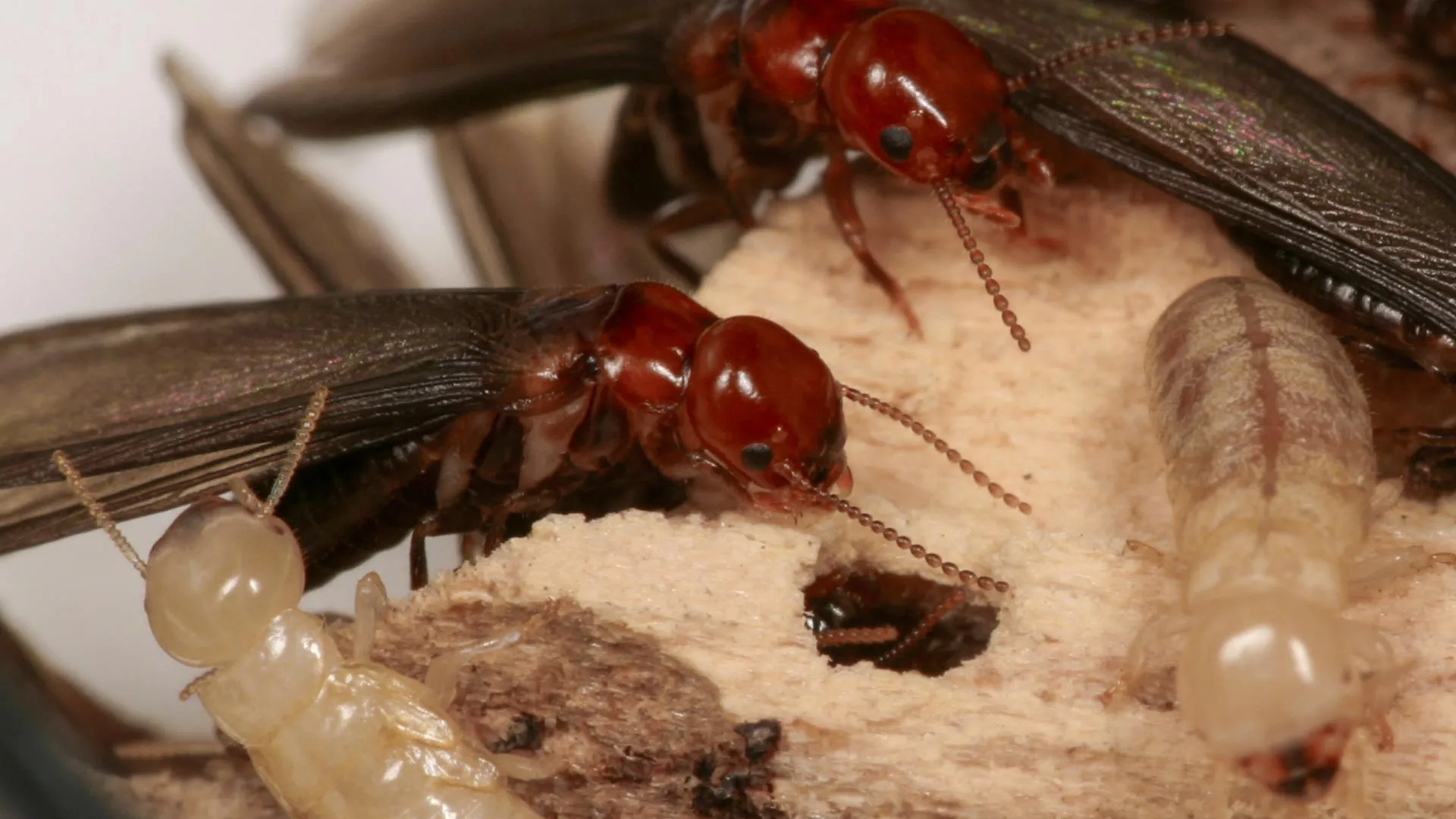
New research from the University of California, Riverside, suggests a more targeted alternative. By exploiting the termite's own sensory instincts, scientists have developed a method to draw the pests toward localized doses of insecticide. The key agent is pinene, a naturally occurring monoterpene — a class of volatile organic compounds — abundant in pine resin and responsible for the characteristic scent of conifer forests. For wood-boring insects, pinene functions as a chemical signal indicating the presence of digestible cellulose. In effect, the compound serves as a dinner bell.
From blunt force to biological precision
The concept behind the UC Riverside approach belongs to a broader category known as semiochemical-based pest management. Semiochemicals are substances that carry information between organisms — pheromones being the most familiar example. Agricultural pest control has employed semiochemical traps for decades, most notably against fruit flies and bark beetles, but application to structural pests like termites has lagged. The challenge has always been translating laboratory behavior into reliable field results inside the complex geometry of a building.
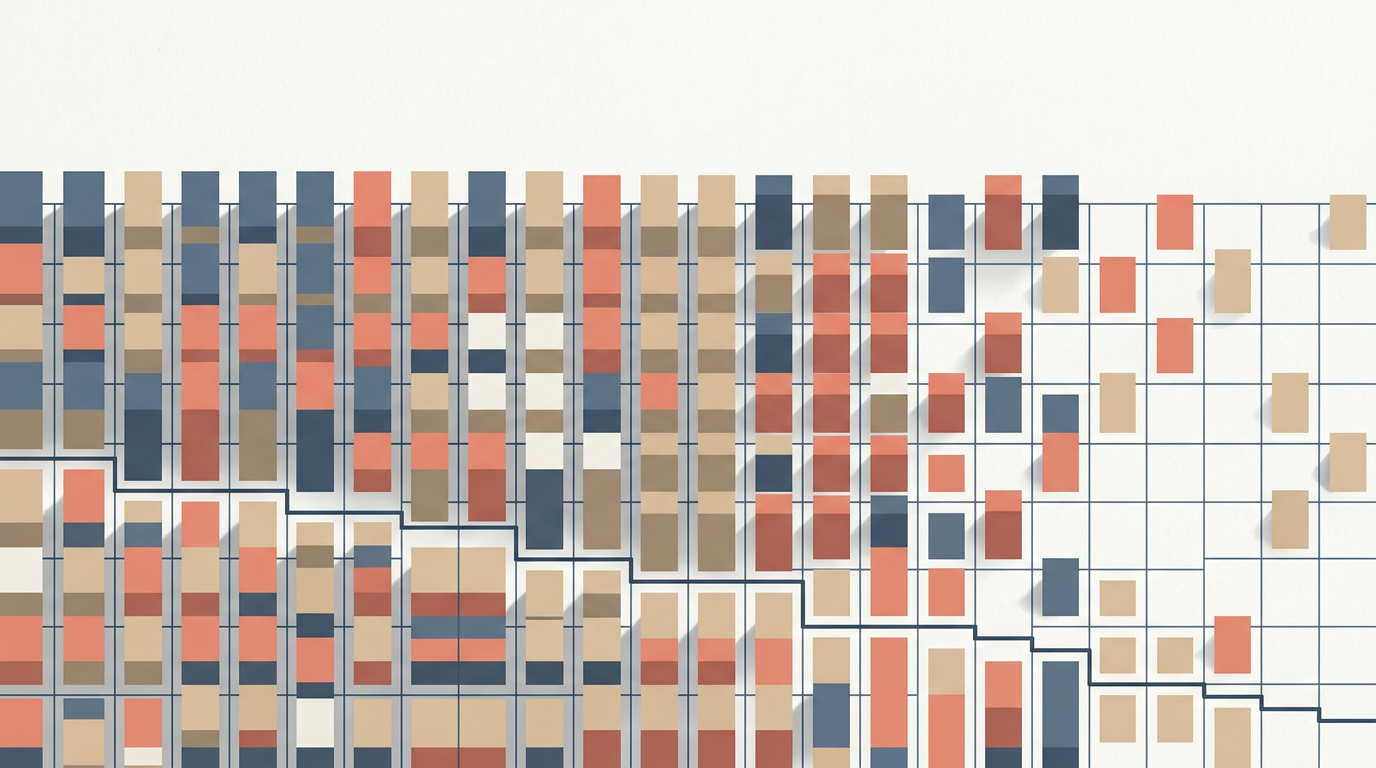
What distinguishes the UC Riverside work is the reported efficacy. In trials, the introduction of pinene increased the success rate of localized insecticide treatments from roughly 70% to over 95%. That gap matters. A 70% success rate in localized treatment has historically been the reason pest control operators default to whole-structure fumigation — the margin of failure is too high for homeowners willing to pay for certainty. At 95%, the calculus shifts. If the figure holds across varied field conditions, it could undermine the economic rationale for tenting an entire house.
The method works by concentrating termite activity around the treatment site rather than attempting to saturate an entire structure with lethal gas. The pinene draws foraging termites toward the insecticide, converting their own food-seeking behavior into a vulnerability. It is, in essence, a surgical strike rather than carpet bombing.
The road from trial to industry adoption
Whether this approach displaces fumigation at scale depends on several factors that extend beyond the laboratory. Pest control is a regulated industry, and any new treatment protocol must satisfy state-level licensing boards and federal environmental standards before commercial deployment. The structural pest control sector is also conservative by disposition — liability concerns push operators toward established methods with documented track records.
There is also the question of termite species. Drywood termites, subterranean termites, and dampwood termites differ in behavior, colony structure, and habitat. A lure effective against one species may prove irrelevant to another. The degree to which pinene-based luring generalizes across species and climate zones will shape the method's practical ceiling.
Still, the broader trajectory is clear. Pest management has been moving away from broad-spectrum chemical approaches for years, driven by regulatory pressure, consumer preference, and advances in chemical ecology. Bait systems for subterranean termites — which use slow-acting toxicants carried back to the colony — already represent a significant market segment. The UC Riverside work extends that logic to drywood termites, a group for which localized treatment has historically been less reliable.
The tension, then, is between a method that works reliably today — fumigation, with all its costs and disruptions — and one that promises precision but must still prove itself across the messy variability of real-world structures, climates, and infestations. Whether the pest control industry treats a 95% trial result as sufficient grounds to retool its standard practices, or waits for further validation, will determine how quickly pinene moves from research finding to routine service offering.
With reporting from Science Daily.
Source · Science Daily