For several years, generative AI has been a spectacle of the uncanny and the beautiful. Users have grown accustomed to hyper-realistic textures and surrealist compositions — the proverbial "astronaut cat" that demonstrates a model's reach but rarely its immediate utility. Yet for professional applications, these tools have often felt like a digital lottery: high on visual flair, but frequently lacking the coherence required for actual work. Text rendered as gibberish, layouts that ignore spatial logic, and brand elements that shift unpredictably between iterations have kept generative imagery on the margins of serious production pipelines.
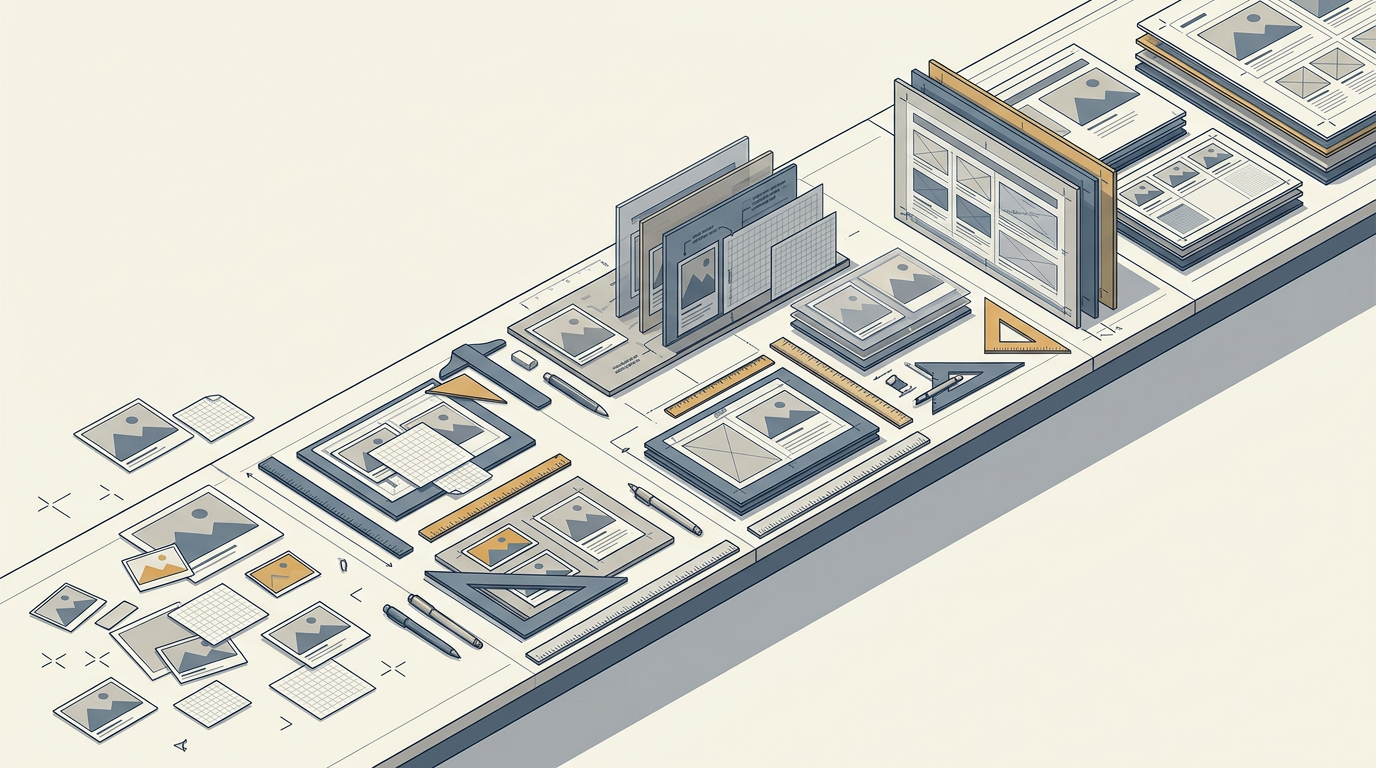
OpenAI is now attempting to bridge this gap with the introduction of ChatGPT Images 2.0. The company is signaling a strategic pivot from "decoration" to "language," suggesting that the next phase of visual AI is about communication rather than aesthetics alone. The stated goal is to transform image generation from a creative gamble into a reliable tool for design, marketing, and technical communication — one that can handle complex requests such as consistent vignettes, usable layouts, and accurate typographic rendering.
From Novelty to Infrastructure
The trajectory is familiar in technology markets. Early iterations of a capability attract attention through sheer novelty — the "wow" phase — before competitive pressure forces a shift toward reliability and integration. Search engines followed this arc in the early 2000s; cloud computing did the same a decade later. In each case, the technology matured only when it stopped being a demonstration and started being infrastructure.
Generative image models appear to be entering that transition. The first wave, exemplified by tools like DALL·E, Midjourney, and Stable Diffusion, competed largely on aesthetic output: which model could produce the most striking, most photorealistic, or most stylistically flexible image. That competition drove rapid improvement in visual quality but left unresolved a set of problems that matter far more in professional contexts — fidelity to a brief, consistency across a series of outputs, and the ability to render text, diagrams, and structured layouts without distortion.
By framing Images 2.0 around "visual logic" and intent comprehension, OpenAI is repositioning its offering not as a better art generator but as a communication tool. The distinction is significant. A marketing team does not need a model that produces beautiful images at random; it needs one that reliably translates a creative brief into a usable asset. A product designer does not want aesthetic surprise; the designer wants dimensional accuracy and repeatable style. The value proposition shifts from inspiration to execution.
The Competitive Landscape and the Trust Deficit
OpenAI is not operating in a vacuum. Competitors across the generative AI space have been converging on similar conclusions. Google's Imagen line has emphasized photorealism and prompt adherence. Adobe has integrated generative features directly into Creative Cloud, betting that proximity to existing professional workflows matters more than raw model capability. Midjourney continues to refine stylistic control. The market, in other words, is collectively moving toward the same destination: functional reliability.
The deeper challenge, however, is trust. Professional users who have spent months wrestling with inconsistent outputs tend to develop a skepticism that no single product announcement can dissolve. The exhausting cycle of trial and error — generating dozens of variations to find one that approximates the original intent — has trained many practitioners to treat generative tools as rough ideation aids rather than production-grade instruments. Changing that perception requires not just a better model but sustained, demonstrable consistency across real-world use cases.
There is also a structural tension worth watching. As generative image tools become more precise and more integrated into commercial workflows, they move closer to the regulatory and intellectual property questions that have shadowed the field since its emergence. A tool positioned as infrastructure for professional output faces higher expectations around provenance, licensing, and accountability than one positioned as a creative toy.
Whether ChatGPT Images 2.0 delivers on the promise of functional precision or merely narrows the gap remains to be tested at scale. The strategic direction, though, is clear: OpenAI is betting that the next competitive moat in generative imagery is not beauty but obedience to intent. The question is whether the underlying technology has matured enough to make that bet pay — or whether the gap between announcement and reliable daily use remains wider than any single model update can close.
With reporting from Xataka.
Source · Xataka