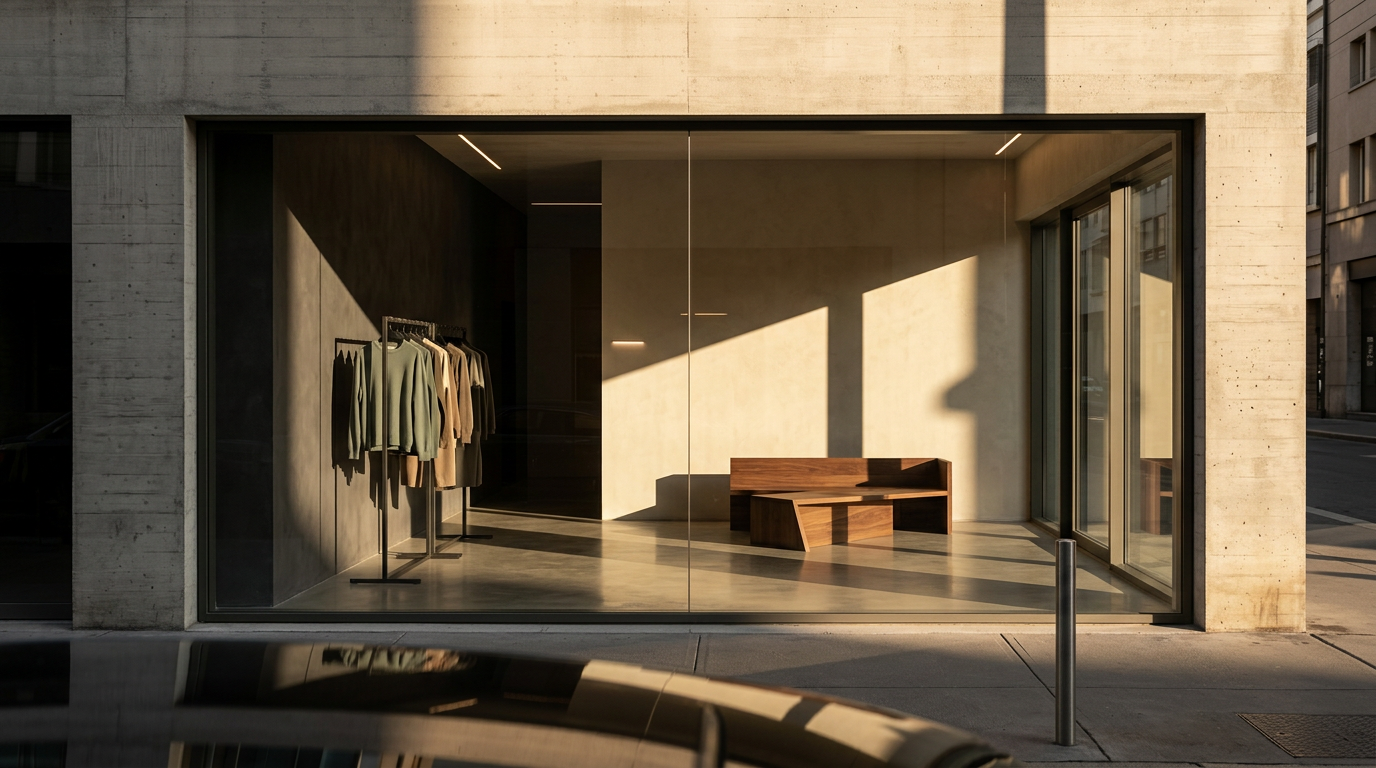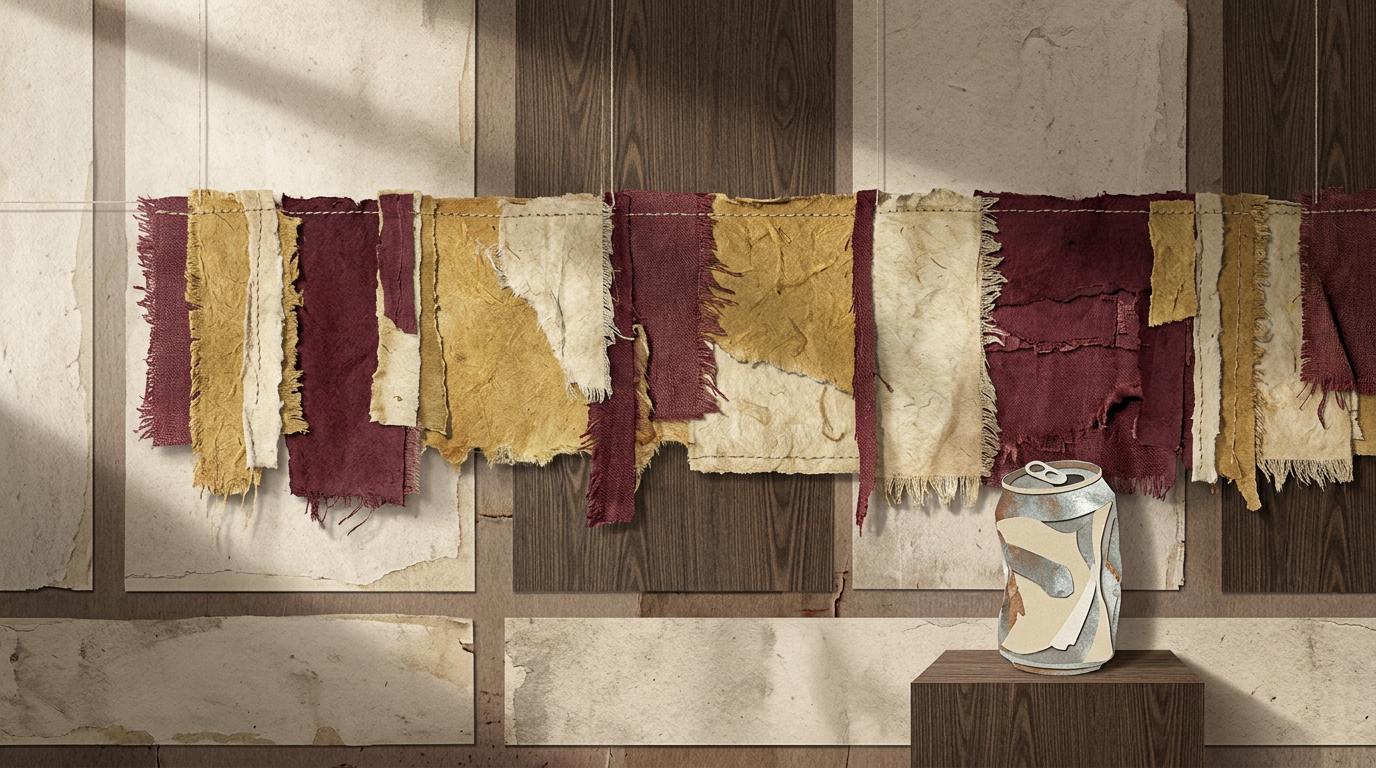
During Milan's Salone del Mobile — the annual furniture and design fair that has steadily expanded into a broader cultural stage for luxury brands — Demna presented his first exhibition for Gucci. The project, centered on a witty dissection of Italian style, marks an early public statement from the designer since taking the creative helm of the Florentine house. The installation featured tapestries tracing Gucci's history, with depictions that reportedly include the designer himself, alongside deliberately irreverent touches such as branded canned cocktails.
Tapestry as editorial statement
The choice of tapestry as a medium is neither accidental nor purely decorative. Tapestries occupy a specific place in European visual culture: they are narrative objects, historically commissioned by courts and churches to project power, lineage, and taste. By rendering Gucci's corporate and creative history in woven form, Demna draws a direct line between the brand's commercial mythology and the older tradition of institutional self-portraiture. Inserting his own likeness into that lineage is a gesture that reads as both self-aware and strategic — a designer literally weaving himself into the house's canon.
The subversive counterpoint — canned cocktails circulating through the exhibition space — functions as a tonal corrective. Where the tapestries invoke grandeur, the cans deflate it, suggesting that heritage and irreverence are not opposites but collaborators. This duality has been a consistent thread in Demna's broader body of work. At Balenciaga, where he served as creative director for years before joining Gucci, his collections frequently juxtaposed luxury signifiers with the aesthetics of the mundane: couture silhouettes rendered in materials that evoked supermarket bags, or haute couture shows staged in environments stripped of conventional glamour.
Luxury brands and the Salone stage
Gucci's presence at Salone del Mobile fits a pattern that has accelerated over the past decade. Luxury fashion houses have increasingly used Milan Design Week not to sell furniture but to stage cultural propositions — exhibitions, immersive environments, and collaborations that position the brand as a participant in design discourse rather than merely a purveyor of handbags and ready-to-wear. Hermès, Louis Vuitton, Loewe, and others have all mounted significant installations during the fair in recent years, blurring the boundary between fashion marketing and curatorial practice.
For Gucci specifically, the exhibition arrives at a moment of creative transition. Demna's appointment followed a period of significant aesthetic shifts at the house — from Alessandro Michele's maximalist, reference-laden tenure to Sabato De Sarno's quieter, more restrained approach. Each transition has required the brand to renegotiate its relationship with its own archive. Demna's Salone project suggests that his version of that negotiation will be neither reverential nor dismissive, but dialectical: heritage presented in a frame that simultaneously honors and undermines it.
The broader question the exhibition raises is one that extends well beyond a single brand. As luxury houses invest more heavily in cultural programming — exhibitions, artist collaborations, architectural commissions — the line between brand storytelling and genuine cultural contribution grows harder to locate. A tapestry depicting a fashion house's history is, at one level, sophisticated advertising. At another, it is a legitimate artistic object engaging with centuries of visual tradition. Whether those two readings can coexist without one consuming the other is a tension that Demna's installation appears to embrace rather than resolve.
The canned cocktails, in that light, may be the most honest element in the room: a reminder that the entire exercise operates within a commercial ecosystem, offered with a wink rather than a disclaimer.
With reporting from Vogue.
Source · Vogue