The fragile equilibrium between Tehran and Washington is being tested by a new cycle of kinetic retaliation. Following a reported American strike on an Iranian vessel, Tehran has allegedly deployed drones in response, while simultaneously accusing the United States of violating existing ceasefire agreements. This oscillation between military friction and diplomatic posturing underscores the volatility of the current regional security architecture.
Despite the escalation, a senior Iranian official has indicated that the Islamic Republic is weighing the possibility of entering into direct talks with the United States. Such a move would represent a significant departure from the indirect, mediated communication that has defined the relationship for decades. Yet the path to any negotiating table remains obstructed by deep-seated mistrust and the immediate fallout of recent skirmishes at sea.
The pattern of escalation and overture
The sequence — maritime strike, drone retaliation, diplomatic signal — follows a pattern that has recurred in various forms across the broader history of U.S.-Iran confrontation. The two countries have not maintained formal diplomatic relations since 1980, and direct bilateral engagement has been exceedingly rare. When it has occurred, it has typically been facilitated through intermediaries — Oman, Switzerland, or multilateral frameworks such as the negotiations that produced the 2015 Joint Comprehensive Plan of Action.
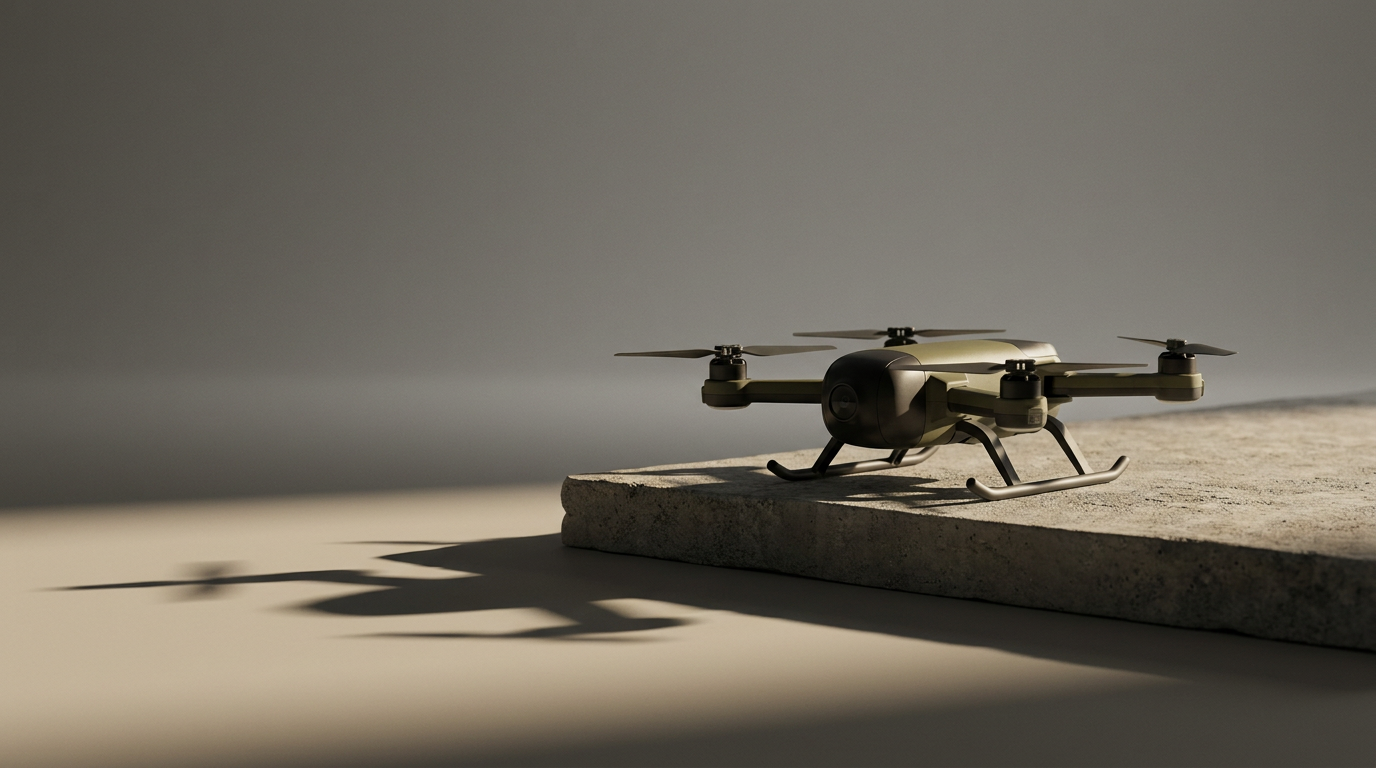
What makes the current moment distinct is the role of unmanned systems. The deployment of drones as instruments of retaliation lowers the threshold for kinetic action while reducing the immediate risk of human casualties on either side. This dynamic creates a paradox: the political cost of striking is lower, but the cumulative effect of repeated exchanges raises the probability of miscalculation. A drone strike that damages infrastructure or inadvertently causes civilian harm could foreclose the very diplomatic opening that Tehran appears to be contemplating.
The accusation that Washington has violated ceasefire agreements adds another layer of complexity. Ceasefire frameworks in the region have historically been informal, ambiguous in scope, and subject to competing interpretations. Each side tends to define the boundaries of permissible action differently, which means that a single incident can simultaneously be characterized as defensive response and unprovoked escalation, depending on the narrator.
Strategic calculus on both sides
For Iran, the signal of willingness to engage directly carries both domestic and international risk. Hardline factions within the Iranian political establishment have long opposed any form of direct negotiation with Washington, viewing it as a concession that legitimizes American pressure campaigns. Any move toward talks would need to be framed domestically as a position of strength rather than capitulation — hence the simultaneous military posturing.
For the United States, the question is whether a direct channel with Tehran serves broader strategic objectives in the region or merely provides Iran with a mechanism to buy time while consolidating its position. Washington has historically oscillated between engagement and maximum pressure, and the current administration's posture will shape whether Tehran's signal is met with reciprocity or skepticism.
The involvement of maritime assets adds a geographic dimension that extends the stakes beyond bilateral relations. Freedom of navigation in the Persian Gulf and adjacent waterways is a concern shared by energy importers, shipping companies, and regional states alike. Sustained friction at sea has the potential to disrupt commercial traffic and elevate insurance premiums for vessels transiting the area — costs that ripple outward through global supply chains.
The core tension is structural rather than episodic. Both governments operate under domestic constraints that reward toughness and penalize perceived weakness. Both possess escalatory tools — drones, cyber capabilities, proxy networks — that allow them to impose costs without crossing the threshold of conventional war. And both have, at various points, signaled interest in negotiation while continuing to prepare for confrontation.
Whether the current diplomatic signal from Tehran represents a genuine shift in strategic posture or a tactical maneuver designed to relieve pressure without altering fundamental positions is a question that cannot be answered by the signal alone. The answer will emerge from what follows: whether back-channel contacts materialize, whether the maritime exchanges subside, and whether either side proves willing to absorb a domestic political cost in exchange for a reduction in regional risk.
With reporting from Dagens Nyheter.
Source · Dagens Nyheter