The United States military is signaling a decisive shift in the architecture of modern conflict. In its $1.5 trillion budget request for the next fiscal year, the Pentagon has earmarked $53.6 billion specifically for drone warfare and autonomous technologies. If approved, this single line item would exceed the entire national defense budgets of most sovereign nations, including Ukraine, South Korea, and Israel, placing the U.S. drone program among the top ten largest military spenders globally.
The capital is intended to flow through the Defense Autonomous Warfare Group (DAWG), a specialized unit established in late 2025. The group's meteoric rise in funding — from a relatively modest $226 million in the 2026 fiscal year — reflects an urgent institutional pivot. The Pentagon is no longer treating unmanned systems as peripheral support; it is positioning them as the central nervous system of future operations.
From peripheral tool to doctrinal core
The trajectory is not without precedent. Military establishments have historically undergone rapid doctrinal realignments when a new technology demonstrates decisive battlefield advantage. The interwar development of carrier aviation in the 1930s, and the subsequent reorientation of naval strategy around the aircraft carrier rather than the battleship, followed a similar logic: early skepticism gave way to institutional urgency once operational evidence accumulated. The conflicts of the early 2020s — particularly the war in Ukraine, where low-cost drones reshaped front-line tactics, logistics interdiction, and intelligence gathering — appear to have served a comparable catalytic function for the Pentagon.
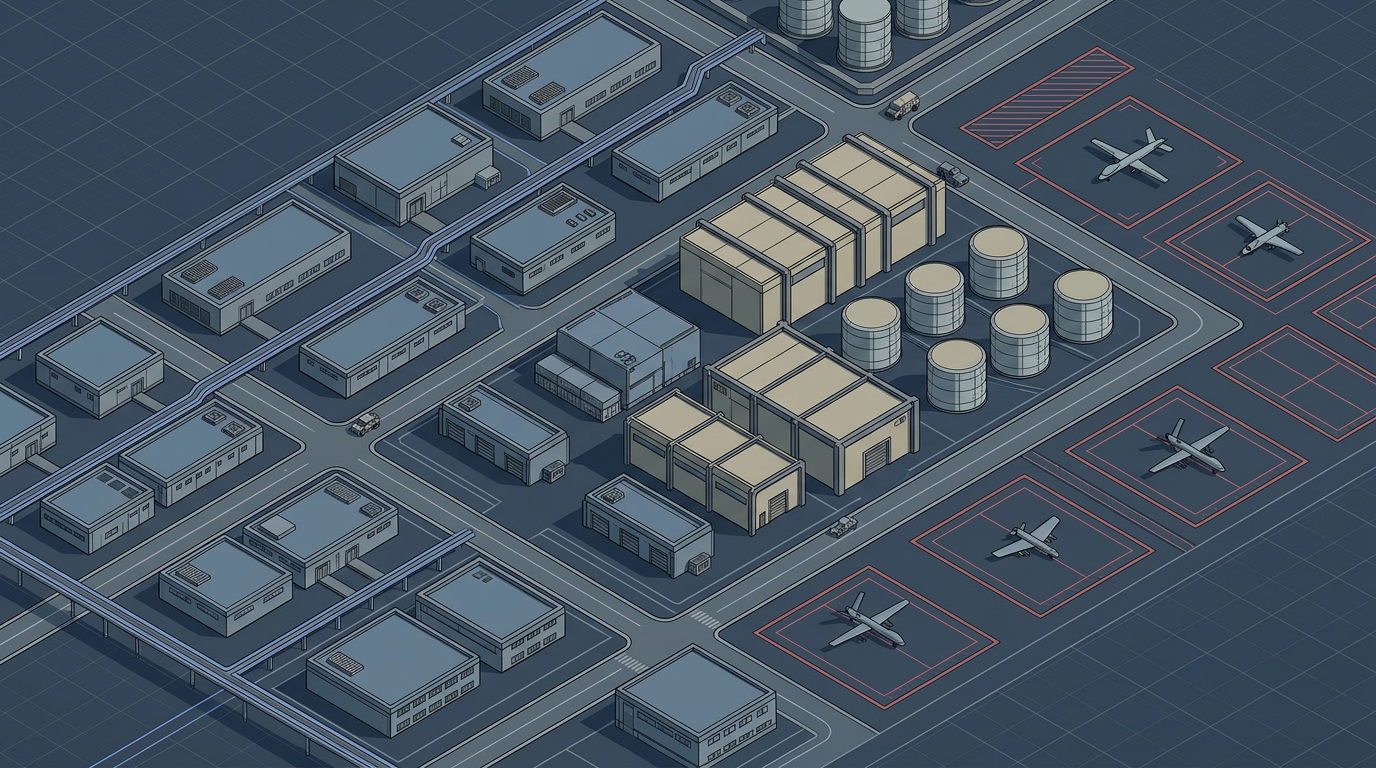
What distinguishes the current request is its scope. The proposed budget extends well beyond hardware procurement. It encompasses the training of drone operators, the construction of global logistics networks capable of sustaining persistent autonomous deployments, and the hardening of domestic military installations against rival drone incursions. By investing in the connective tissue of autonomous warfare — supply chains, maintenance infrastructure, communications resilience — the Department of Defense is signaling that it views drones not as a supplementary capability but as a primary warfighting platform requiring its own institutional architecture.
The scale of the funding increase is itself notable. Moving from $226 million to $53.6 billion in a single budget cycle represents a multiplication factor rarely seen outside wartime mobilization. That pace suggests the Pentagon perceives a narrow window in which to establish structural advantage before peer competitors — most obviously China, which has invested heavily in both military and commercial drone ecosystems — close the gap.
Strategic tensions ahead
Several forces will shape whether this budget line survives congressional scrutiny and translates into operational capability. The first is industrial capacity. Scaling drone production to absorb tens of billions in annual spending requires a manufacturing base that does not yet exist at the necessary volume. The defense industrial base has struggled in recent years with production bottlenecks for conventional munitions; whether it can simultaneously ramp autonomous systems production remains an open question.
The second is regulatory and ethical. Autonomous warfare raises unresolved questions about targeting authority, rules of engagement, and accountability when algorithmic systems make lethal decisions at machine speed. International frameworks governing autonomous weapons remain nascent, and domestic debate over the appropriate degree of human oversight has not reached consensus. A budget of this magnitude will intensify those debates rather than settle them.
The third tension is strategic. Concentrating this level of investment in a single capability domain carries opportunity cost. Every dollar directed toward autonomous systems is a dollar not spent on shipbuilding, nuclear modernization, or conventional force readiness. The bet implicit in the DAWG budget is that autonomous systems will deliver disproportionate strategic returns — a thesis that remains, for now, more doctrinal conviction than proven conclusion.
The Pentagon's request places a clear marker: the institution has decided that the future of American military power runs through unmanned systems. Whether that conviction is validated by industrial execution, political durability, and the unpredictable realities of conflict is the question that the next several budget cycles will begin to answer.
With reporting from Ars Technica.
Source · Ars Technica