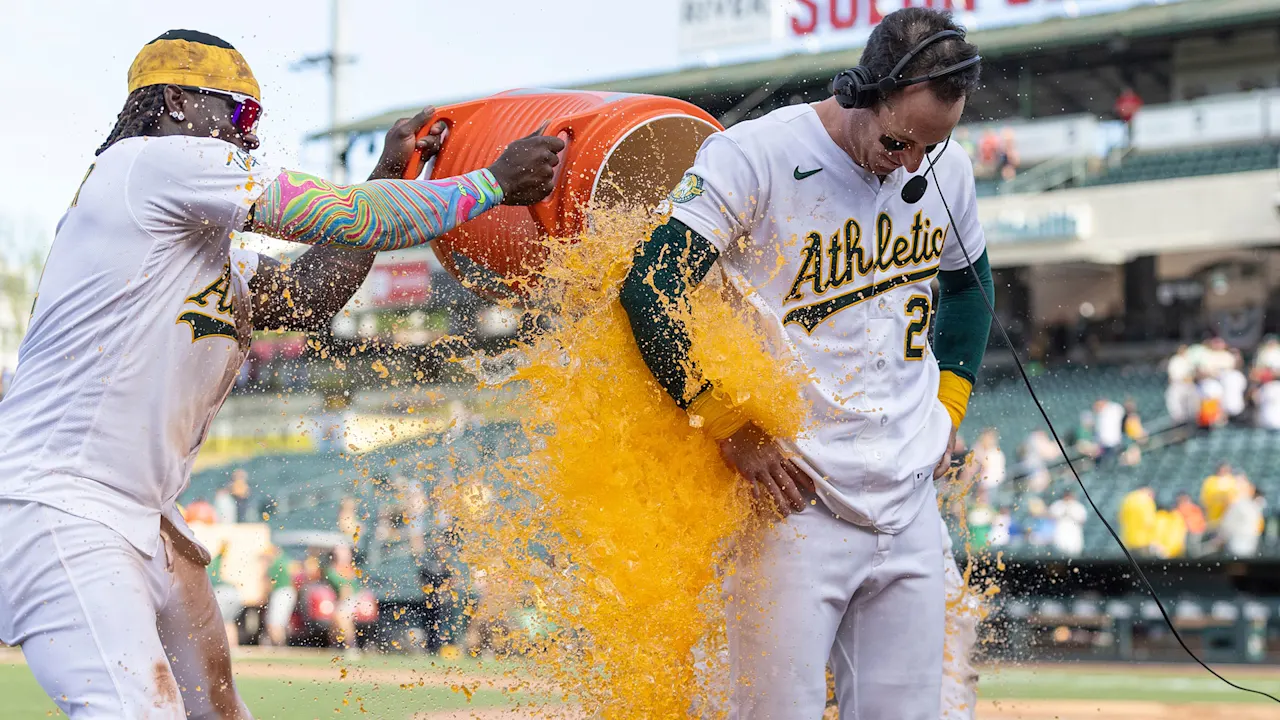
For six decades, Gatorade occupied a singular position in consumer culture: the neon-colored fluid of sideline endurance, synonymous with elite athletic performance. Its origin story — developed at the University of Florida in the mid-1960s to help football players combat heat exhaustion — became one of the most durable brand narratives in packaged goods. But the cultural definition of "performance" is undergoing a quiet realignment. PepsiCo, Gatorade's parent company, is reorienting the brand away from the stadium and toward the mundane: long-haul flights, recovery from a night out, and the "daily maintenance" of the modern wellness consumer.
The pivot is grounded in a demographic reality. According to market research from Mintel, 60% of sports drink consumers do not identify as athletes. They are seeking functional ingredients — electrolytes and carbohydrates — to manage hydration in a world where bottled water sales have largely stagnated. The rise of what might be called "hydration culture" has turned a niche physiological requirement into a broad lifestyle category, driven by a consumer base that spans from Gen Z to aging populations seeking health longevity.
From Sideline to Shelf: The Logic of Repositioning
Gatorade's repositioning follows a pattern familiar in consumer packaged goods: a legacy brand, dominant in a narrowing niche, broadens its appeal before challengers can claim the adjacent territory. The functional beverage market has attracted a wave of entrants — with 150 new brands entering the space and the market for powder mixes growing by 20% annually, according to the original reporting. Brands like Liquid I.V., Nuun, and LMNT have built loyal followings by speaking directly to the non-athlete, framing hydration as a daily wellness practice rather than an exercise recovery tool.
The strategic question for PepsiCo is whether Gatorade's deep association with competitive sports is an asset or a liability in this new landscape. Brand equity built over decades of Super Bowl sideline placements and endorsement deals with professional athletes carries enormous recognition value. But recognition is not the same as relevance. A consumer reaching for an electrolyte drink after a transatlantic flight or a long day at a desk may not see themselves in the imagery of a sweat-drenched quarterback. The redesign — which shifts packaging toward clearer communication of scientific utility and away from pure athletic iconography — is an attempt to resolve that tension without abandoning the brand's heritage entirely.
This is a delicate maneuver. Broadening a brand's audience risks diluting the very specificity that made it authoritative. Nike faced a version of this challenge when it expanded from running shoes into lifestyle apparel; the company managed the transition by maintaining performance credibility at the core while extending permission to wear its products casually. Whether Gatorade can execute a similar expansion — remaining credible to serious athletes while becoming relevant to the wellness-curious — will depend on how precisely the new design language communicates dual utility.
The Design Problem Behind Functional Beverages
At a deeper level, Gatorade's overhaul reflects a broader design challenge in the functional beverage category: how to make scientific claims legible and trustworthy on a retail shelf. The new packaging reportedly foregrounds the specific research behind various formulas, a move that acknowledges a more literate and skeptical consumer base. In a market flooded with vague wellness claims — "clean hydration," "optimal performance," "cellular recovery" — specificity becomes a differentiator.
This approach carries its own risks. Consumers drawn to functional beverages often respond to simplicity and aspiration, not clinical detail. The brands that have gained the most ground in recent years tend to combine clean visual design with a single, easily understood proposition. Gatorade's challenge is to translate decades of sports science credibility into a visual and verbal language that feels accessible without feeling dumbed down.
The broader competitive landscape adds urgency. The functional beverage category sits at the intersection of several converging trends: the medicalization of everyday life, the decline of sugary soft drinks, and the growing consumer expectation that every product in a shopping cart should deliver a measurable benefit. Gatorade enters this phase with advantages few startups can match — manufacturing scale, distribution reach, and institutional knowledge of sports science. What it lacks is the insurgent energy of newer brands unburdened by legacy positioning.
Whether the rebrand succeeds may ultimately depend on a question that no packaging redesign can fully answer: does the modern wellness consumer want to be associated with the world's most famous sports drink, or does that very fame mark it as a product of a different era?
With reporting from Fast Company Design.
Source · Fast Company Design