The modern smartwatch has long suffered from an identity crisis, caught between being a secondary smartphone and a dedicated health monitor. Google, via its Fitbit subsidiary, appears ready to resolve that tension by leaning decisively into the latter. Reports indicate the company is developing a new Fitbit tracker devoid of a display — a design choice that prioritizes biometric precision over the constant ping of digital notifications. If the device reaches production, it would mark the clearest signal yet that Google sees the future of wearables not in shrinking the smartphone onto the wrist, but in making the sensor layer invisible.
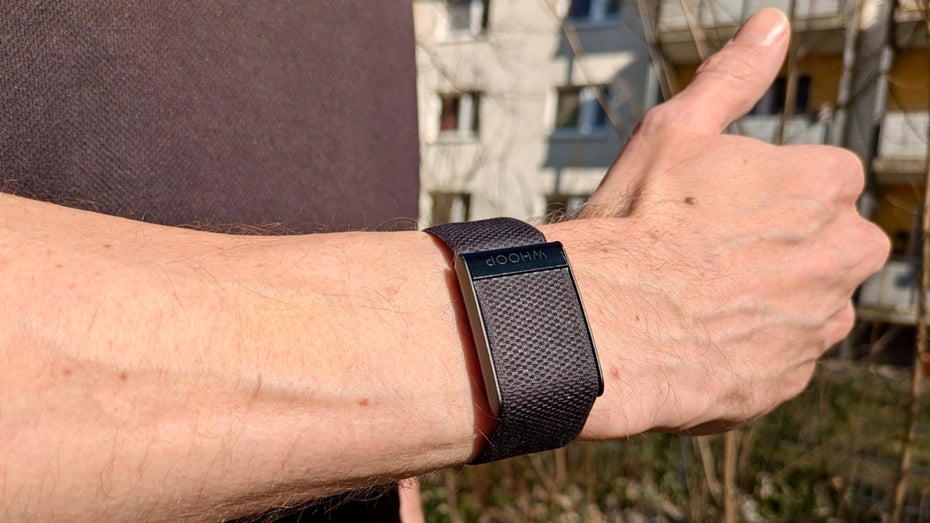
The move places Google in direct competition with Whoop, the screenless wearable that has carved out a loyal following among professional athletes and biohacking enthusiasts. Whoop pioneered the idea that a fitness device need not double as a notification center; its subscription-based model pairs a minimalist band with a data-rich mobile app, and the approach has attracted both endurance athletes and a broader wellness-conscious audience. By reportedly pursuing a similar form factor, Google is acknowledging that Whoop identified a real gap in the market — one that traditional smartwatches, including its own Pixel Watch line, were not designed to fill.
The logic of disappearing hardware
The absence of a screen offers more than just a reprieve from notification fatigue. It allows for a more efficient form factor, significantly extended battery life, and — critically — a device that can be worn continuously without the social friction of glancing at a wrist-mounted display during meetings or meals. Continuous wear is the foundation of meaningful biometric data: heart rate variability, skin temperature trends, respiratory rate, and sleep staging all improve in accuracy when the sensor maintains unbroken contact with the body over days, not hours.
For Fitbit, which has faced a fragmented product lineup since its acquisition by Google in 2021, this minimalist approach may represent a necessary narrowing of focus. The brand once dominated the consumer fitness tracker category but lost ground as Apple and Samsung turned the smartwatch into a mainstream product. Attempts to compete on that terrain — adding color screens, app ecosystems, and NFC payments — diluted the original proposition. A screenless tracker would be a return to the wearable as a specialized instrument rather than a general-purpose gadget, and it would leverage the one asset Fitbit still holds in abundance: years of biometric data and the algorithmic models trained on it.
Google's broader health ambitions add another dimension. The company has invested heavily in health-related AI research, and a device optimized purely for data collection could serve as a high-quality input layer for machine learning models that surface insights about recovery, strain, and long-term health trends. In that framing, the hardware becomes less a product and more a conduit — valuable not for what it displays, but for what it feeds into the software stack behind it.
What stands between concept and market
The competitive landscape, however, is not static. Whoop has had years to refine its recovery and strain metrics, build community features, and establish credibility with elite athletes — a brand halo that is difficult to replicate through hardware specs alone. Samsung has also signaled interest in advanced biometric sensing with its Galaxy Ring, a screenless form factor that competes for the same "ambient health" positioning. Apple, meanwhile, continues to deepen the health capabilities of its Watch, making the high end of the market increasingly crowded.
Google's challenge is not merely technical. It is a question of trust and ecosystem coherence. Fitbit users have periodically expressed concern about data privacy under Google's ownership, and a device designed for round-the-clock biometric collection will intensify that scrutiny. The company will also need to decide whether to follow Whoop's subscription model — where the hardware is subsidized and revenue flows from ongoing data analysis — or sell the tracker outright and monetize through its existing Fitbit Premium service.
The strategic tension is clear: Google possesses the AI infrastructure and sensor engineering to build a compelling passive tracker, but it enters a niche where incumbents have already defined user expectations and where the value proposition depends less on hardware and more on the intelligence of the software interpreting the data. Whether Fitbit's algorithmic heritage and Google's computational scale are enough to unseat a focused competitor like Whoop — or whether the real battle is for a much larger, still-emerging market of health-conscious consumers who never wanted a smartwatch in the first place — remains the more consequential question.
With reporting from t3n.
Source · t3n