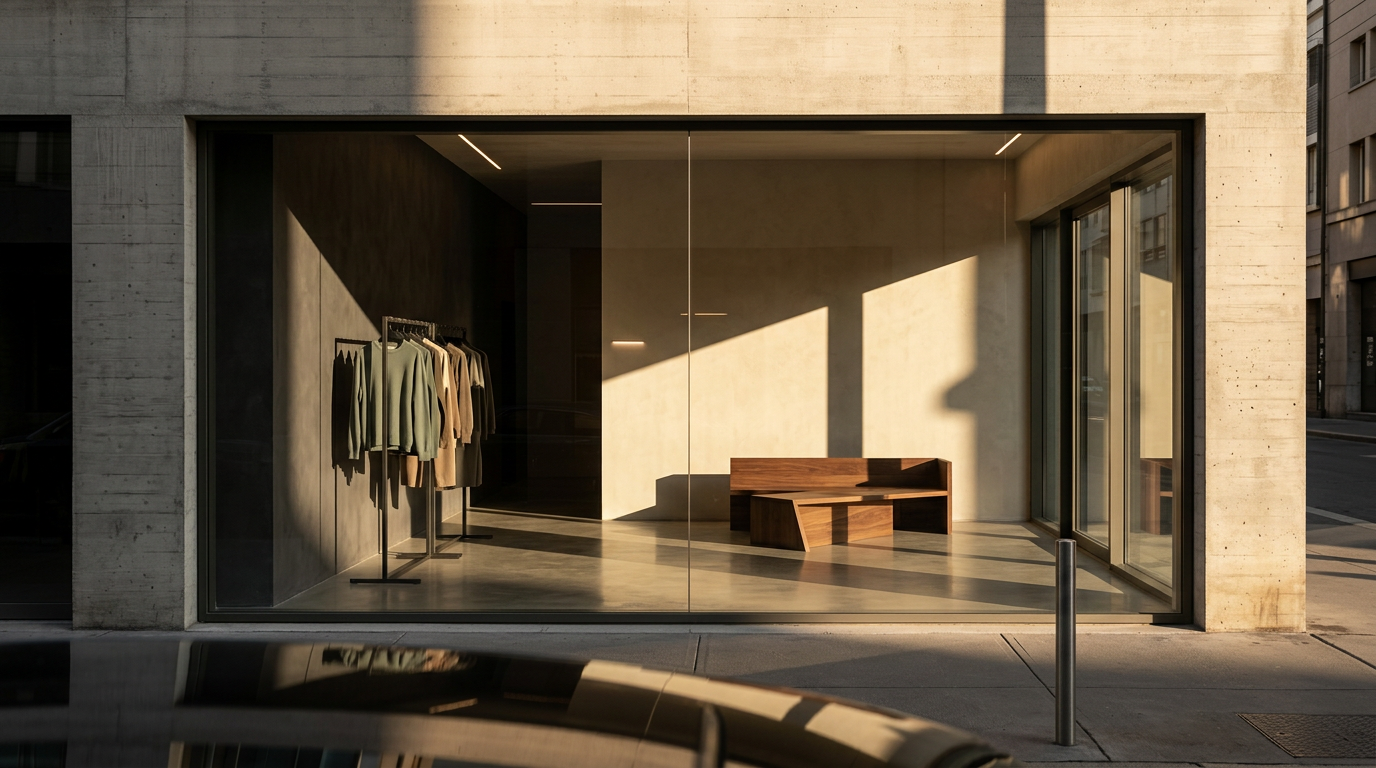
In an era where the consumption of ideas is increasingly mediated by algorithmic feeds and rapid-fire digital skimming, the "Reference Library" installation at Milan Design Week offers a deliberate counterpoint. A collaboration between fashion house Jil Sander and the Barcelona-based interiors magazine Apartamento, the exhibition presents a curated selection of 60 books chosen by a global network of artists, designers, and thinkers. The space, housed inside the Jil Sander showroom, functions less as a traditional archive and more as a physical manifestation of intellectual lineage — a room-sized argument that influence has material form.
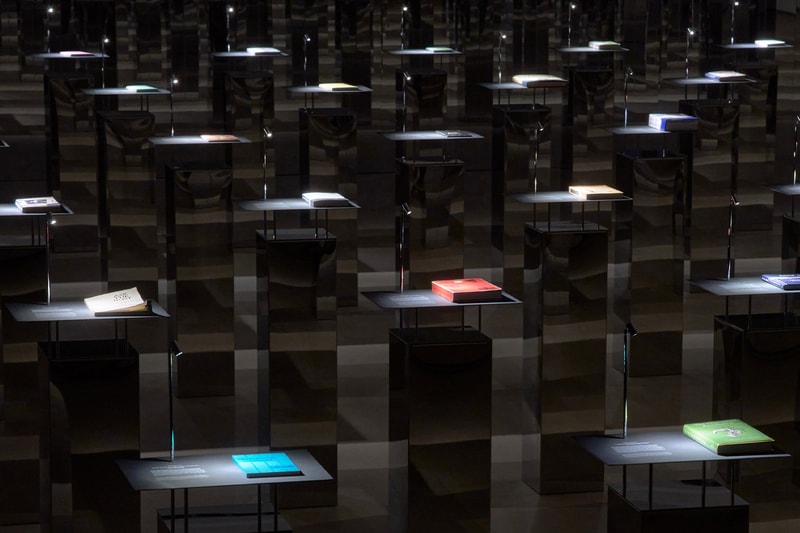
The environment, designed by the Milanese architecture practice studioutte, emphasizes the ritualistic nature of deep reading. Rows of chrome lecterns are positioned under focused beams of light, their presence amplified by a mirrored wall that suggests an infinite expanse of knowledge. To engage with the collection, visitors are required to wear white gloves — a gesture that transforms the act of turning a page into a performance of care and preservation. The gloves, visitors are told, are theirs to keep: a souvenir of a rare, tactile encounter with the foundations of design.
The book as brand artifact
Jil Sander's involvement in a literary installation is less surprising than it might first appear. The house, now under the creative direction of Lucie and Luke Meier, has long cultivated an aesthetic vocabulary rooted in restraint, materiality, and intellectual rigor. Its runway presentations tend to foreground texture and construction over spectacle. A curated library fits neatly within that tradition — extending the brand's identity beyond garments and into the broader territory of cultural stewardship.
The partnership with Apartamento reinforces this positioning. The magazine, founded in 2008, has built its reputation on intimate portrayals of how creative people actually live, favoring worn bookshelves and cluttered studios over the polished interiors typical of shelter publications. Its editorial sensibility — personal, unhurried, object-oriented — aligns with the installation's premise that a book chosen by a specific person reveals something a search algorithm cannot replicate.
This kind of collaboration reflects a broader pattern in luxury fashion. Houses increasingly stage cultural programming at design fairs, biennales, and art weeks not to sell product directly but to reinforce brand mythology. The logic is associative: by placing itself adjacent to curated knowledge, a fashion house signals depth. Whether that signal translates into lasting cultural authority or remains a sophisticated form of ambient marketing is a question the industry has yet to resolve.
Slowness as design principle
The installation's most pointed gesture may be its insistence on friction. White gloves impose a physical constraint that slows the reader down. Chrome lecterns discourage casual browsing. The mirrored wall, while visually striking, also eliminates the comfort of a private reading nook — every visitor is visible, observed, performing the act of attention. The design choices collectively frame reading not as consumption but as ceremony.
This stands in tension with the dominant direction of information design, which has spent two decades optimizing for speed, convenience, and volume. The reference library inverts those priorities. It offers no search function, no recommendation engine, no way to skim sixty books in sixty seconds. The curators — unnamed in the exhibition's framing, identified only by their selections — ask visitors to trust a human chain of influence rather than a ranked list.
Milan Design Week has increasingly become a venue for this kind of experiential counter-programming, where brands and studios stage environments that critique the very pace of the culture they inhabit. The "Reference Library" fits within that lineage, though it raises an unresolved tension: the installation is temporary, the encounter fleeting, and the white gloves — once pocketed — become a branded object rather than a tool of preservation. Whether the ritual outlasts the week, or whether slowness can survive its own commodification as a luxury experience, remains the more interesting question.
With reporting from Hypebeast.
Source · Hypebeast