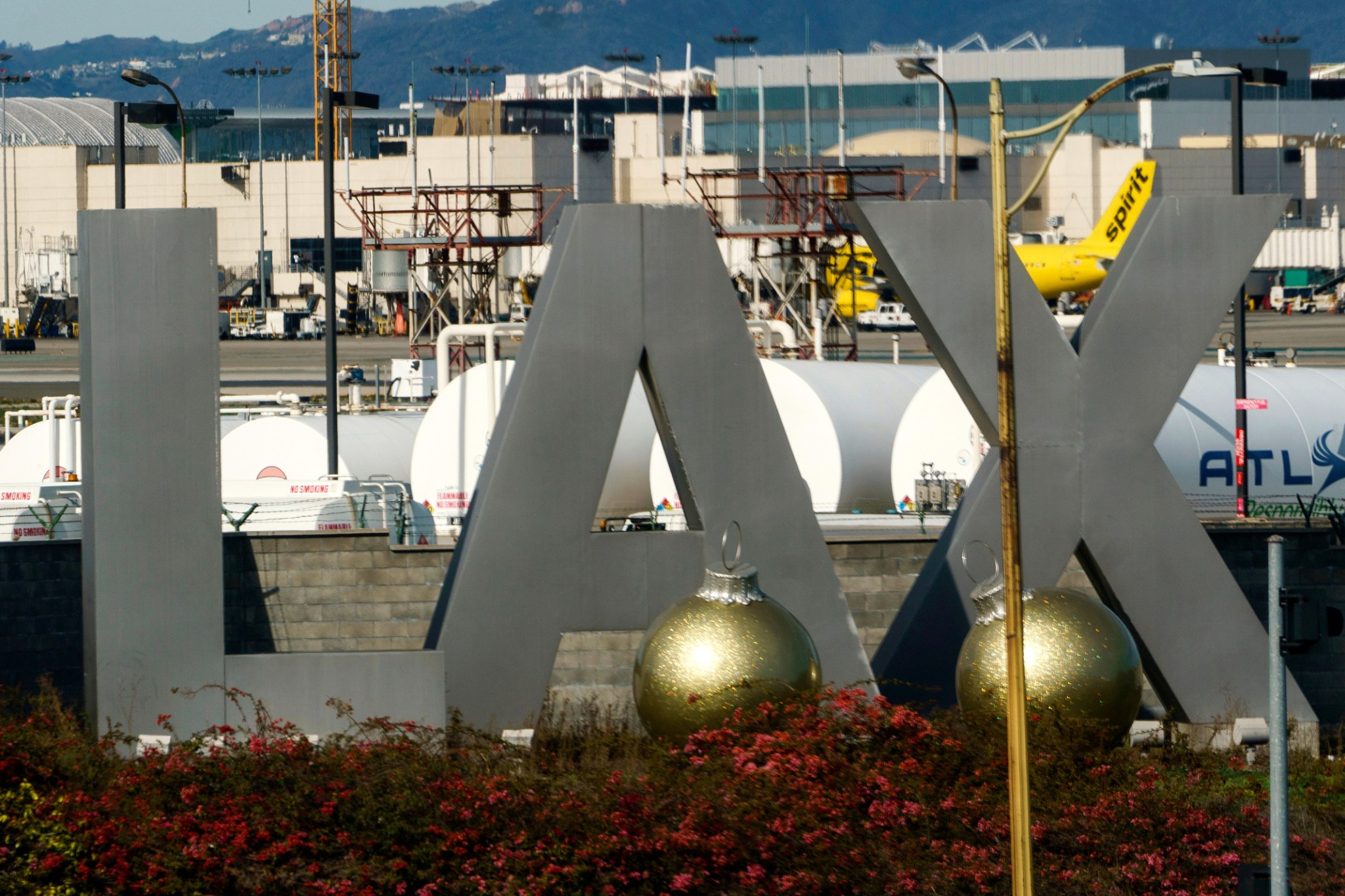
Shamim Mafi, a 44-year-old Iranian national and resident of the United States, was arrested at Los Angeles International Airport on Saturday on federal charges alleging she brokered weapons transfers between Iran and Sudan. According to federal prosecutors, Mafi facilitated the sale of drones, bombs, and ammunition through Atlas International Business, an Oman-based entity that reportedly received over $7 million in 2025. Court documents further allege that Mafi submitted a letter of intent to the Islamic Revolutionary Guard Corps to purchase 55,000 bomb fuses on behalf of the Sudanese Ministry of Defense.
The arrest, carried out by the FBI, places Mafi at the intersection of two of the most heavily sanctioned geopolitical actors in the world. Iran's Islamic Revolutionary Guard Corps (IRGC) has been designated a foreign terrorist organization by the United States since 2019, and Sudan has faced various forms of U.S. sanctions and arms embargoes for decades. The alleged scheme — routing weapons sales through a commercial entity registered in Oman — fits a well-documented pattern in which intermediary jurisdictions and shell companies are used to circumvent export controls and sanctions regimes.
The Sanctions Enforcement Landscape
The case arrives at a moment when U.S. enforcement of sanctions related to Iran and weapons proliferation remains a high priority across administrations. The Treasury Department's Office of Foreign Assets Control (OFAC) and the Justice Department have in recent years pursued a growing number of cases involving procurement networks that attempt to move restricted military goods through third-country intermediaries. Oman, a Gulf state that has historically maintained diplomatic relationships with both Western nations and Iran, has occasionally surfaced in such cases as a transit or registration point for entities involved in sanctioned trade.
Weapons brokering charges of this nature typically invoke the Arms Export Control Act and the International Emergency Economic Powers Act (IEEPA), statutes that carry severe penalties including lengthy prison sentences. The specificity of the allegations — naming the IRGC, identifying a dollar figure, and detailing the type and quantity of munitions — suggests that prosecutors built the case on documentary evidence, potentially including intercepted communications or financial records. The mention of a formal letter of intent to the IRGC is particularly notable; such a document, if authenticated, would constitute direct evidence of engagement with a designated terrorist organization.
Sudan's Civil War and the Arms Pipeline
The broader context of this case is inseparable from the civil war that erupted in Sudan in April 2023 between the Sudanese Armed Forces and the Rapid Support Forces. The conflict has produced one of the world's most severe humanitarian crises, with millions displaced and widespread reports of atrocities. A United Nations arms embargo on Darfur has been in place since 2004, and multiple investigations by UN panels of experts have documented violations by various state and non-state actors funneling weapons into the country.
Iran's role as an arms supplier to conflict zones across the Middle East and Africa is extensively documented. The IRGC and its affiliates have been linked to weapons transfers to actors in Yemen, Syria, Lebanon, and parts of sub-Saharan Africa. The alleged Sudan connection adds another node to a network that U.S. and international authorities have been attempting to disrupt for years, with mixed results. The use of a U.S. resident as an alleged broker introduces a domestic dimension that federal prosecutors tend to pursue aggressively, both for its legal tractability and its deterrent value.
Mafi's arrest at LAX — rather than through a sealed indictment followed by extradition proceedings — indicates that authorities were tracking her movements and chose to act when she was on U.S. soil. The charges now move into the federal court system in Los Angeles, where the strength of the documentary evidence and the scope of the alleged conspiracy will be tested.
What remains to be seen is whether this case represents an isolated procurement effort or a thread in a larger network. Federal prosecutors often use individual arrests as leverage to map broader supply chains. The tension between the scale of illicit arms flows into active conflict zones and the capacity of enforcement agencies to intercept them is a structural challenge that no single prosecution resolves — but each case offers a partial view of how those pipelines operate.
With reporting from Fortune.
Source · Fortune