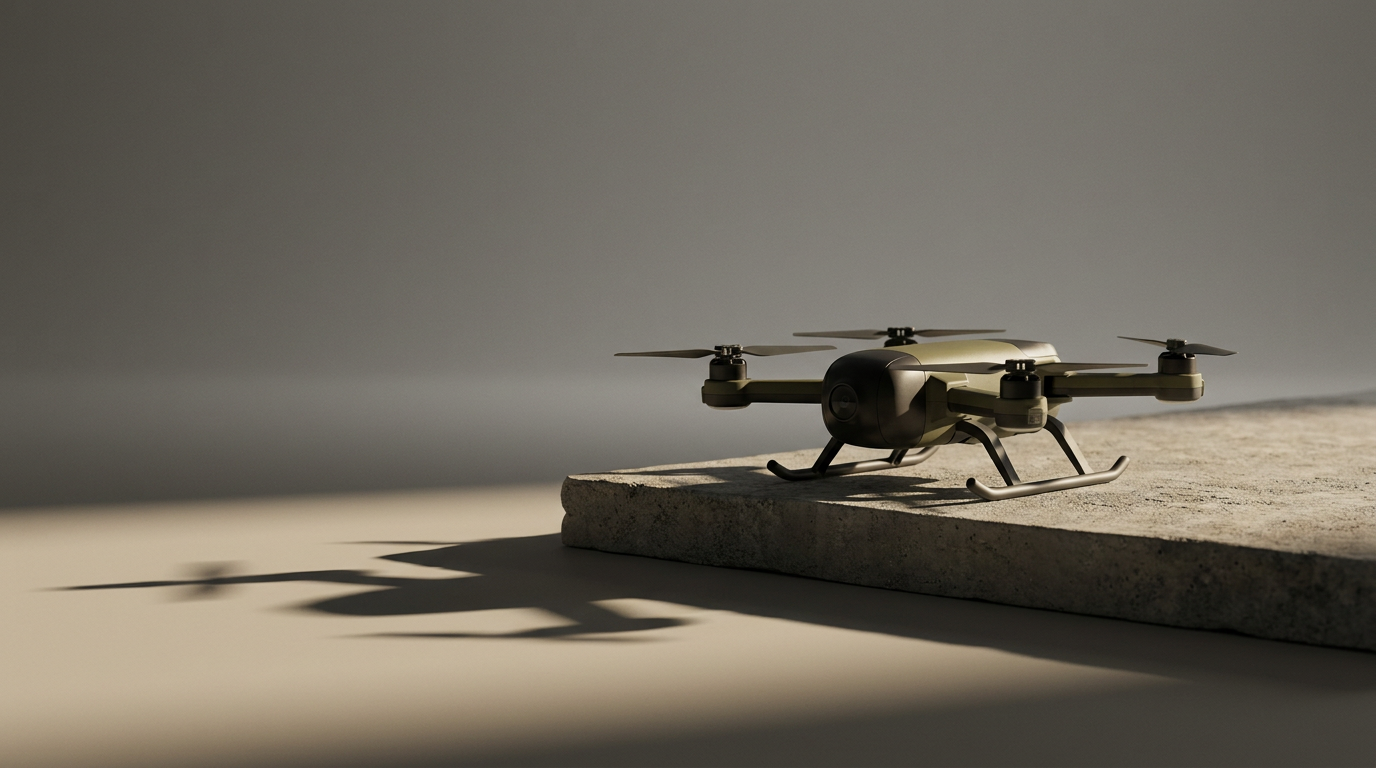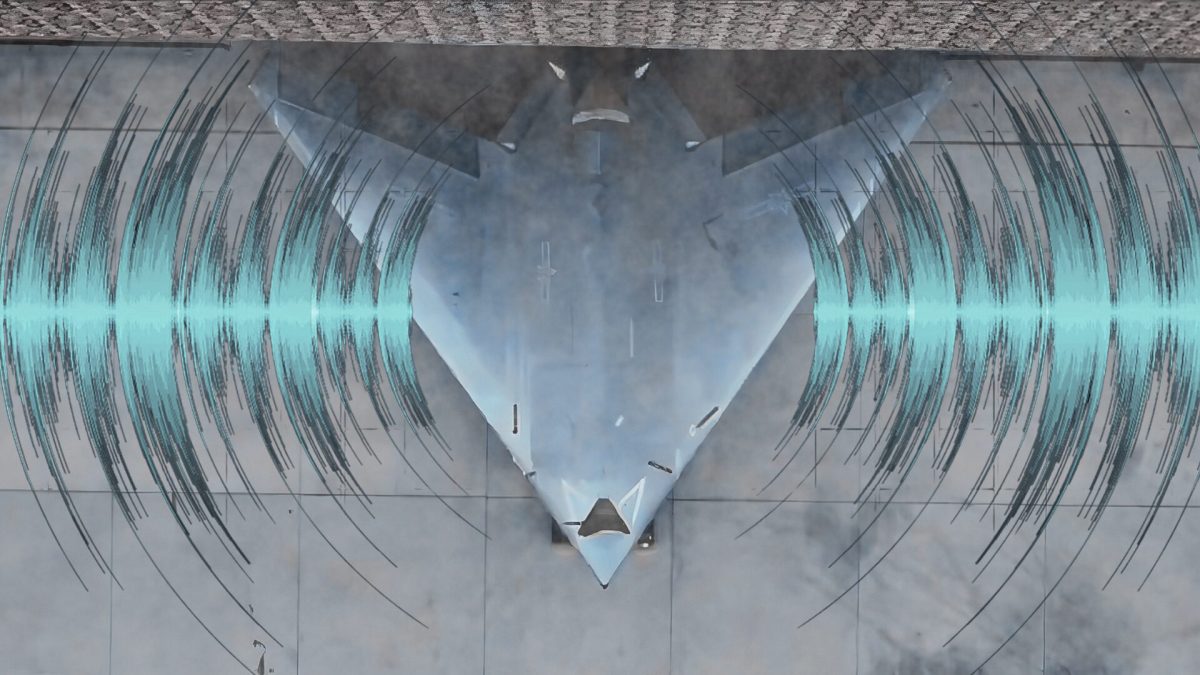
The persistent limitation of unmanned aerial vehicles has always been the logistical tether of the battery. To remain aloft, a drone must carry its fuel, yet the weight of that fuel eventually dictates its inevitable descent. Chinese researchers are now attempting to sever this link using directed energy, successfully testing a microwave beam system designed to recharge drones while they remain in flight.
As reported by the South China Morning Post, the system tracks a drone with high-precision sensors and fires a concentrated beam of electromagnetic radiation, allowing the aircraft to replenish its energy reserves without landing. The result is the prospect of what engineers call "perpetual flight" — a state where a fleet's endurance is limited only by the mechanical wear of its components rather than the capacity of its lithium-ion cells.
From Nikola Tesla to directed beams
Wireless power transmission is not a new idea. Nikola Tesla experimented with the concept in the 1890s, envisioning a world where electricity could be broadcast through the atmosphere like radio waves. For more than a century, the physics remained sound but the engineering remained impractical: too much energy was lost in transit, and directing a beam with sufficient accuracy over meaningful distances proved elusive. NASA explored microwave-based power beaming in the 1960s and 1970s as part of its research into space-based solar power stations, but the program never advanced beyond laboratory demonstrations.
What distinguishes the Chinese test is the integration of real-time tracking and beam-steering with a moving aerial platform. Earlier experiments in microwave power transmission typically involved stationary receivers. Hitting a drone in flight — a small, shifting target subject to wind and altitude changes — demands a level of precision that only recent advances in phased-array antennas and sensor fusion have made feasible. The shift from stationary to mobile receivers is what moves the technology from laboratory curiosity toward operational relevance.
The efficiency question, however, remains central. Microwave power beaming inherently loses energy at multiple stages: conversion from electricity to microwave radiation, atmospheric absorption during transmission, and reconversion to usable current at the receiver. Each step introduces losses. Whether the system demonstrated in China achieves conversion rates sufficient for sustained commercial or military use has not been disclosed in the available reporting, and that metric will ultimately determine whether the technology scales beyond controlled tests.
Strategic and regulatory implications
The most immediate applications are military and security-related. Persistent surveillance drones — platforms that can loiter over a target area for days or weeks rather than hours — would alter the calculus of border monitoring, maritime patrol, and battlefield awareness. Communication relay drones that never need to land could serve as low-altitude alternatives to satellites in contested or disaster-stricken environments. For military planners, removing the battery constraint effectively multiplies the utility of existing drone fleets without requiring larger or more expensive airframes.
Civilian applications, while further from deployment, are no less consequential. Delivery logistics, agricultural monitoring, and infrastructure inspection all suffer from the same endurance bottleneck. A network of ground-based charging stations beaming power to commercial drones could reshape last-mile delivery economics in ways that battery swapping and fast charging cannot.
Yet the technology introduces regulatory territory that remains largely uncharted. Directing concentrated microwave energy through airspace raises questions about spectrum allocation, safety exclusion zones, and interference with existing communications infrastructure. Aviation authorities have no established framework for certifying airborne power-beaming corridors. The dual-use nature of directed-energy systems — the same beam that charges a drone could, in theory, disable electronics or pose hazards to personnel — adds a layer of arms-control and export-control complexity that governments will need to address.
The tension at the core of this development is familiar in dual-use technology: the same capability that enables a humanitarian communication relay also enables persistent surveillance that is difficult to counter. Whether microwave power beaming matures into a broadly deployed infrastructure technology or remains confined to classified military programs may depend less on the physics — which appear increasingly viable — than on the political and regulatory choices that follow.
With reporting from Numerama.
Source · Numerama