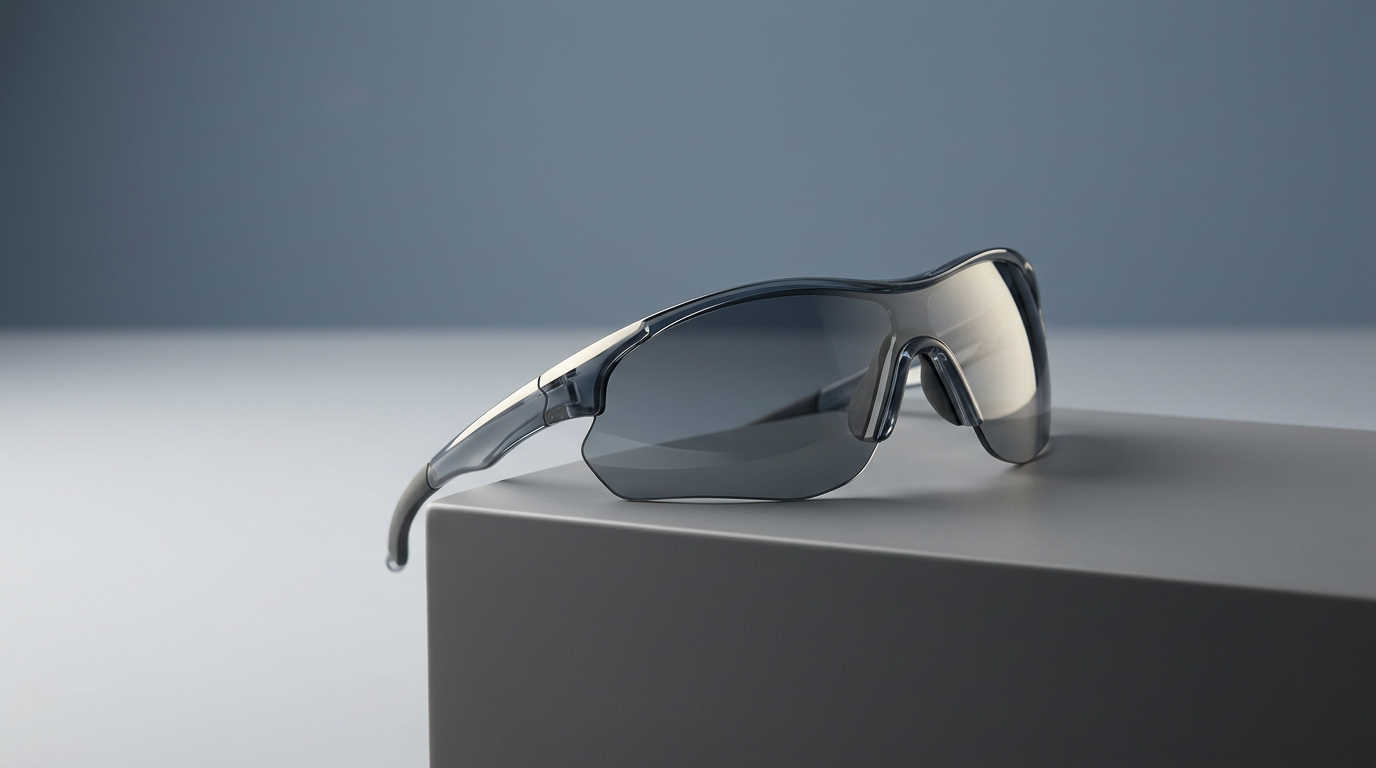
The performance eyewear market has long been defined by a binary choice: the hyper-functional, wrap-around "shield" that prioritizes wind protection over aesthetics, or stylish frames that slide off during a run. Warby Parker's new Sport collection, a series of lightweight, Italian-made frames starting at $195, attempts to bridge this gap. The goal, according to co-CEO Neil Blumenthal, is to provide the utility of traditional sports glasses without the "bug-eye" silhouette that often defines the category.
The primary engineering challenge in performance eyewear lies in the "base curve" — the degree of wrap around the wearer's face. While a high curve is necessary to keep frames secure and block peripheral UV light, it typically introduces optical distortion. To counteract this, Warby Parker is leveraging its in-house optical labs in Nevada and New York to precision-cut lenses that maintain clarity despite the aggressive wrap. It is a play for technical legitimacy in a space often split between fashion-first accessories and over-engineered gear.
The base curve problem and why it matters
Base curve is the central constraint in sport eyewear design. A flat lens — the kind found in most fashion sunglasses — sits comfortably in front of the eye and introduces minimal distortion, but it offers poor coverage against wind, debris, and peripheral light. A high-curve lens wraps tightly around the face, solving those functional problems while creating new optical ones: straight lines appear to bend, depth perception shifts, and prolonged wear can cause eye strain. For decades, the major performance eyewear brands addressed this through proprietary lens technologies, often at price points well above $200 and with designs that leaned heavily into an athletic, technical aesthetic.
Warby Parker's approach — manufacturing these curved lenses in-house rather than sourcing them from third-party optical suppliers — represents a strategic extension of the vertical integration model the company has used since its founding. The brand built its original business on the premise that controlling the supply chain for standard prescription eyewear could reduce costs and improve quality simultaneously. Applying that same logic to performance lenses is a natural progression, though the technical demands are considerably higher. Precision-cutting a curved lens to prescription-grade accuracy requires tooling and expertise that differ meaningfully from flat-lens production.
The decision to manufacture in its own labs in Nevada and New York rather than outsource to specialized sport optics firms signals a longer-term commitment to the category. It also introduces execution risk: performance eyewear consumers — runners, cyclists, outdoor athletes — tend to be exacting about optical quality and durability, and the incumbents in this space have spent decades earning trust through field performance.
Athleisure logic applied to the face
By internalizing the manufacturing of these complex lenses, the company aims to offer a middle ground: a product that functions like specialized equipment but looks like a standard accessory. The bet is rooted in a broader shift in consumer behavior that has already reshaped adjacent categories. The same cultural logic that turned running shoes into everyday footwear and technical outerwear into urban staples now extends to eyewear. The boundaries between athletic activity and daily life continue to blur, and products that serve only one context increasingly feel like compromises.
Warby Parker is not the first brand to notice this convergence. Several fashion-forward eyewear labels have introduced sport-adjacent designs in recent seasons, and athletic brands have experimented with frames that tone down the wraparound look. But few have attempted to solve the problem at the lens level rather than simply softening the frame design. The distinction matters: a frame can look restrained while the lens behind it still distorts, and serious users will notice.
The Sport collection's starting price of $195 positions it below most premium performance eyewear but above the disposable sport sunglasses found at mass retail. That pricing corridor is deliberate — it mirrors the strategy Warby Parker has used across its product line, occupying the space between luxury and commodity where brand loyalty is built on perceived value rather than status signaling.
Whether the collection succeeds may depend less on the product itself than on the audience it attracts. Performance eyewear loyalists will judge the lenses on optical clarity, fit stability, and durability under stress. Warby Parker's existing customer base will judge the frames on whether they look good at brunch. Serving both groups with the same product is the stated ambition — and the core tension the Sport line will have to resolve in the market rather than in the lab.
With reporting from Fast Company Design.
Source · Fast Company Design