Tesla's Roadster Returns to the Calendar
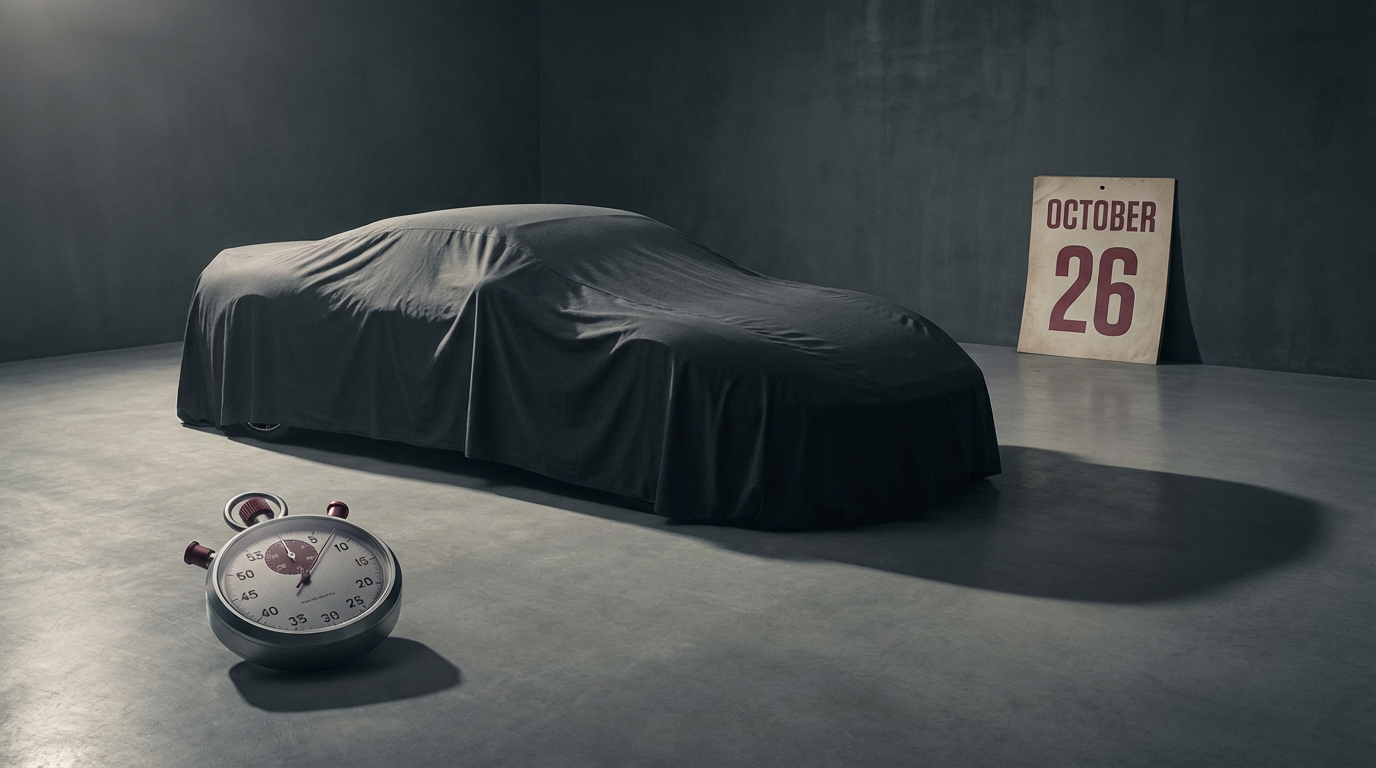
Tesla CEO Elon Musk has once again signaled that the long-delayed next-generation Roadster is nearing its public re-introduction. According to Musk, the vehicle is slated for an unveiling by the end of this month — a deadline that arrives just as the original prototype marks its ninth anniversary. First showcased in November 2017, the Roadster was initially pitched as a "hardcore smackdown" to gasoline-powered supercars, promising performance metrics that seemed to defy the physics of consumer EVs at the time.
The history of the Roadster is, in many respects, a case study in Tesla's specific brand of aspirational engineering and chronological elasticity. Since that 2017 debut, the automotive landscape has shifted in ways that make the car's prolonged absence both more conspicuous and more consequential.
A halo car in search of its moment
When the next-generation Roadster prototype first rolled onto a stage in Hawthorne, California, the electric vehicle market looked fundamentally different. Tesla's Model 3 was still ramping production. Porsche had not yet delivered the Taycan. Rimac was a niche Croatian startup, not the entity that would absorb Bugatti. The Roadster's promised specifications — sub-two-second zero-to-sixty acceleration, a claimed range exceeding that of any production EV — were designed to assert Tesla's technological ceiling at a time when the company needed to demonstrate that mass-market ambitions would not dilute engineering credibility.
Nine years later, the competitive context has changed. Porsche, Rimac, Lotus, and several Chinese manufacturers have staked claims in the high-performance electric segment. Acceleration figures that once seemed extraordinary have become, if not routine, at least less singular. The Roadster's original shock value has depreciated — not because the car is less capable, but because the field around it has matured.
Tesla's own priorities contributed to the delay. The company channeled engineering and manufacturing resources toward the Model Y ramp, the Cybertruck launch, and the expansion of its energy storage division. Each of those programs carried more immediate revenue implications than a low-volume halo car. The Roadster, once the brand's aspirational crown jewel, was repeatedly deprioritized in favor of projects with broader commercial impact.
The credibility question
The pattern of announced and missed deadlines has created a specific problem for the Roadster that extends beyond the car itself. Musk has offered multiple timelines for the vehicle's arrival over the years, each superseded by the next. For reservation holders — some of whom placed deposits years ago — the cycle has tested patience. For the broader market, it has become a recurring reference point in debates about Tesla's relationship with its own stated timelines.
The technical ambitions layered onto the project over the years have compounded the skepticism. Musk's references to integrated cold-gas thrusters — a SpaceX-derived technology intended to enhance acceleration and handling — blur the line between production engineering and speculative design. Whether such features appear in a final production vehicle, or remain conceptual talking points, will say something about the gap between Tesla's public narrative and its manufacturing reality.
If the unveiling does occur this month, the event will carry meaning beyond the car's specifications. It will function as a test of whether Tesla can still deliver on its most ambitious, longest-standing promises — the kind of moonshot commitments that once defined the company's brand identity but have increasingly become liabilities in a market that rewards execution over aspiration.
The tension is straightforward. Tesla built its mythology partly on the audacity of projects like the Roadster. But mythology requires eventual delivery to remain credible. The longer a promise circulates without a product behind it, the more it shifts from aspiration to liability. Whether this month's deadline marks a turning point or another postponement will shape how the market interprets Tesla's capacity to balance vision with follow-through — and whether a halo car delayed by nearly a decade can still cast light.
With reporting from Electrek.
Source · Electrek