Modern agriculture has reached a digital impasse. For years, the industry's leading equipment manufacturers have moved toward a model of high-tech enclosure, outfitting tractors with proprietary software, telematics systems, and complex sensor arrays that often require authorized dealer technicians for even minor repairs. The consequences have been tangible: rising upfront costs, growing dependence on manufacturer service networks, and an expanding gap between the farmer and the machine that works the land.
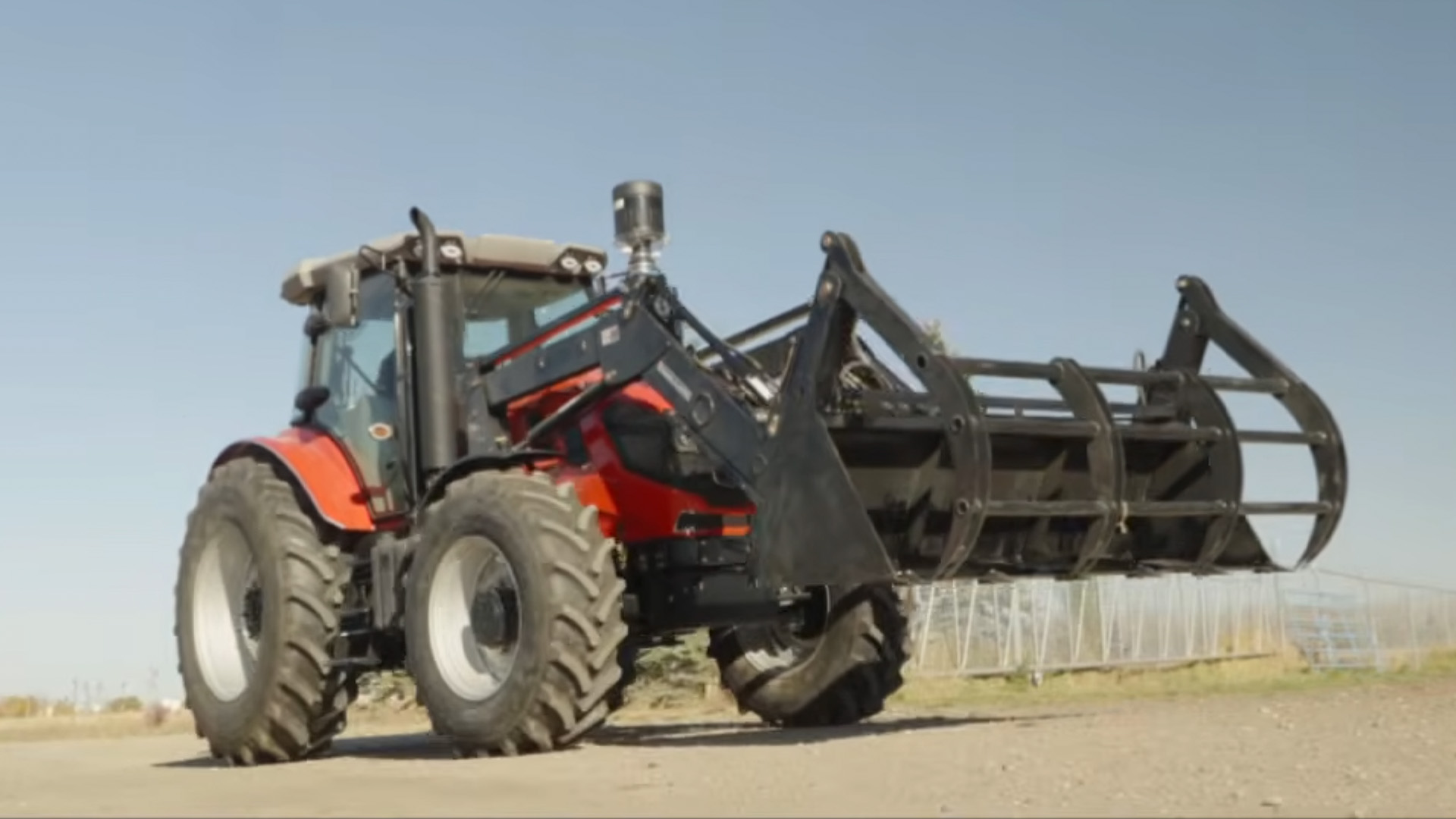
Ursa Ag, an Alberta-based startup, is offering a deliberate regression. The company is producing a new range of tractors built around remanufactured 12-valve Cummins engines — powerplants legendary for their mechanical simplicity and durability. By utilizing mechanical fuel injection and eschewing electronic control units entirely, Ursa Ag's machines are designed to be serviced by any competent mechanic with a standard toolkit, bypassing the need for diagnostic software or digital permissions. The lineup spans 150 to 260 horsepower, priced at roughly half the cost of comparable models from established manufacturers.
The Right-to-Repair Backdrop
The context for Ursa Ag's bet is a decade-long escalation in the fight over who controls farm equipment after the point of sale. The right-to-repair movement, which gained early traction among independent electronics repair shops, found its most politically potent constituency among farmers — operators whose livelihoods depend on machines functioning during narrow planting and harvest windows. Downtime waiting for a dealer-authorized technician to reset a software lock is not an inconvenience; it is a direct economic loss.
John Deere, the sector's dominant player, became the movement's most visible target. The company's practice of restricting access to onboard diagnostic tools and software drew legislative attention across North America and in the European Union. Several U.S. states have passed or advanced right-to-repair legislation, and in early 2023 John Deere signed a memorandum of understanding with the American Farm Bureau Federation pledging broader access to tools and manuals. Whether those commitments have meaningfully changed the day-to-day repair experience for operators remains a subject of debate within the farming community.
Ursa Ag sidesteps this entire dispute by removing the software layer altogether. The tractors feature cabs with mechanical linkages rather than circuit boards, and air-ride seats instead of touchscreen interfaces. There is nothing to lock, because there is nothing digital to control.
Simplicity as Strategy
The choice of the 12-valve Cummins engine is not incidental. The 5.9-liter inline-six, produced from the late 1980s through the late 1990s, developed a devoted following in both the trucking and agricultural sectors precisely because of its pre-electronic architecture. Mechanical fuel injection means no engine control module, no software calibration, and no emissions-related electronic systems. Parts are widely available. Knowledge of the platform is distributed across a broad base of independent mechanics.
By building around remanufactured rather than newly produced engines, Ursa Ag also taps into a well-established supply chain for Cummins components while keeping costs down. The trade-off is real: these tractors will not offer GPS-guided autosteer, variable-rate application, or the precision agriculture integrations that define the current technological frontier. For large-scale operations running data-driven planting programs, the Ursa Ag proposition may hold limited appeal.
But the company appears to be targeting a different segment — smaller and mid-sized operations, or operators who maintain mixed fleets and want a workhorse that does not require a laptop to diagnose. In parts of the world where dealer networks are sparse and connectivity unreliable, a fully mechanical tractor is not a nostalgic curiosity but a practical tool.
The tension at the heart of this story is not simply analog versus digital. It is a question about where value resides in agricultural equipment — in the intelligence of the machine, or in the autonomy of the operator. The major manufacturers argue that precision agriculture technology pays for itself through efficiency gains and input savings. Ursa Ag's implicit counter is that a machine a farmer cannot fix is a machine the farmer does not truly own, regardless of what the bill of sale says.
Whether a meaningful market exists for new-production analog tractors at scale, or whether Ursa Ag remains a niche proposition for a specific kind of buyer, will depend on forces larger than one startup's product line: the trajectory of repair legislation, the economics of small-farm survival, and how far the industry's digital integration ultimately extends.
With reporting from The Drive.
Source · The Drive