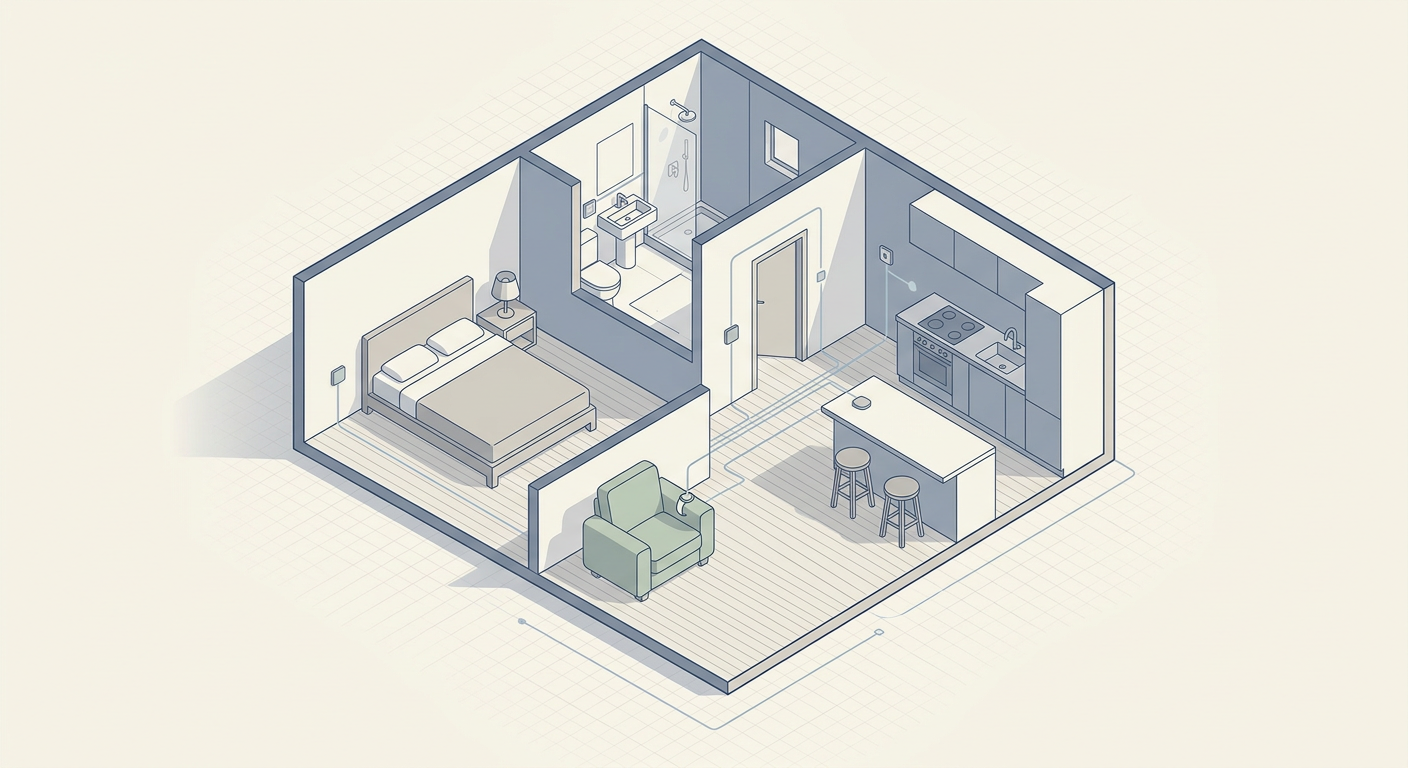
The promise of "aging in place" has long relied on a fragile balance between independence and safety. For decades, the medical alert system was the primary weight on that scale — a simple, often stigmatized lanyard that served as a last resort. By 2026, however, these devices have transitioned from reactive emergency buttons to proactive safety hubs, integrating more deeply into the daily lives of older adults. The shift reflects broader demographic and technological forces that have been building for years.
The global population aged 65 and older has been growing faster than any other age segment for more than a decade, a trend well documented by the United Nations and national census agencies. That demographic pressure has created a structural incentive: every month a person can safely remain at home rather than move into assisted living represents a significant reduction in cost for families and public health systems alike. Medical alert systems sit at the center of that equation, and the industry has responded by expanding its ambitions well beyond the panic button.
From gadget to infrastructure
Modern systems now represent a sophisticated intersection of hardware and human infrastructure. Beyond the physical device, the value proposition lies in the invisible network: 24/7 access to trained emergency operators who bridge the gap between a household accident and professional medical intervention. This constant connectivity provides a psychological safety net that allows seniors to maintain their private residences longer, fundamentally shifting the economics of elder care.
What distinguishes the current generation of devices from their predecessors is the degree of integration with the broader connected home. Fall detection accelerometers, GPS location tracking, and ambient environmental sensors have become standard features rather than premium add-ons. The underlying logic has moved from a single-event model — press a button, summon help — to continuous passive monitoring that can flag anomalies before they escalate into emergencies. A door that remains unopened past a usual hour, or a prolonged absence of movement in a living room, can trigger a welfare check without the user needing to act at all.
This evolution mirrors a pattern visible across consumer health technology more broadly. Wearable fitness trackers followed a similar trajectory, beginning as simple step counters before layering on heart-rate monitoring, blood-oxygen sensing, and irregular-rhythm alerts. Medical alert systems are undergoing an analogous maturation, absorbing capabilities that once belonged to separate product categories and consolidating them into a single ecosystem.
Design, dignity, and differentiation
As the market matures, the differentiation between major brands has moved beyond basic functionality toward design and reliability. The current landscape features a variety of form factors — from discreet wearables to integrated home sensors — that prioritize user dignity alongside utility. Adoption research in gerontology has long established that stigma is one of the primary barriers to use: if a device looks and feels like a medical appliance, many older adults will leave it in a drawer. Manufacturers that have internalized this insight are producing hardware that resembles mainstream consumer electronics, reducing the social friction that historically suppressed adoption rates.
Reliability, meanwhile, has become a competitive axis with real consequences. The shift from landline-dependent systems to cellular and Wi-Fi connectivity has expanded coverage but also introduced new failure modes — network outages, firmware bugs, battery degradation. Companies that invest in redundant connectivity paths and rigorous quality assurance hold a structural advantage in a market where a single missed alert can be catastrophic.
In an era defined by the Internet of Things, these systems are no longer isolated gadgets but essential components of a connected home designed for longevity. The strategic question facing the industry is whether medical alert providers will remain standalone businesses or be absorbed into larger platform ecosystems — smart-home giants, telehealth networks, or insurance providers seeking to reduce claims through preventive monitoring. The answer will depend on who controls the data, who bears the liability, and whether older adults and their families trust a consolidated platform more than a specialist device maker. Those tensions remain unresolved, and how they play out will shape not just a product category but the broader architecture of aging in the coming decade.
With reporting from The Next Web.
Source · The Next Web