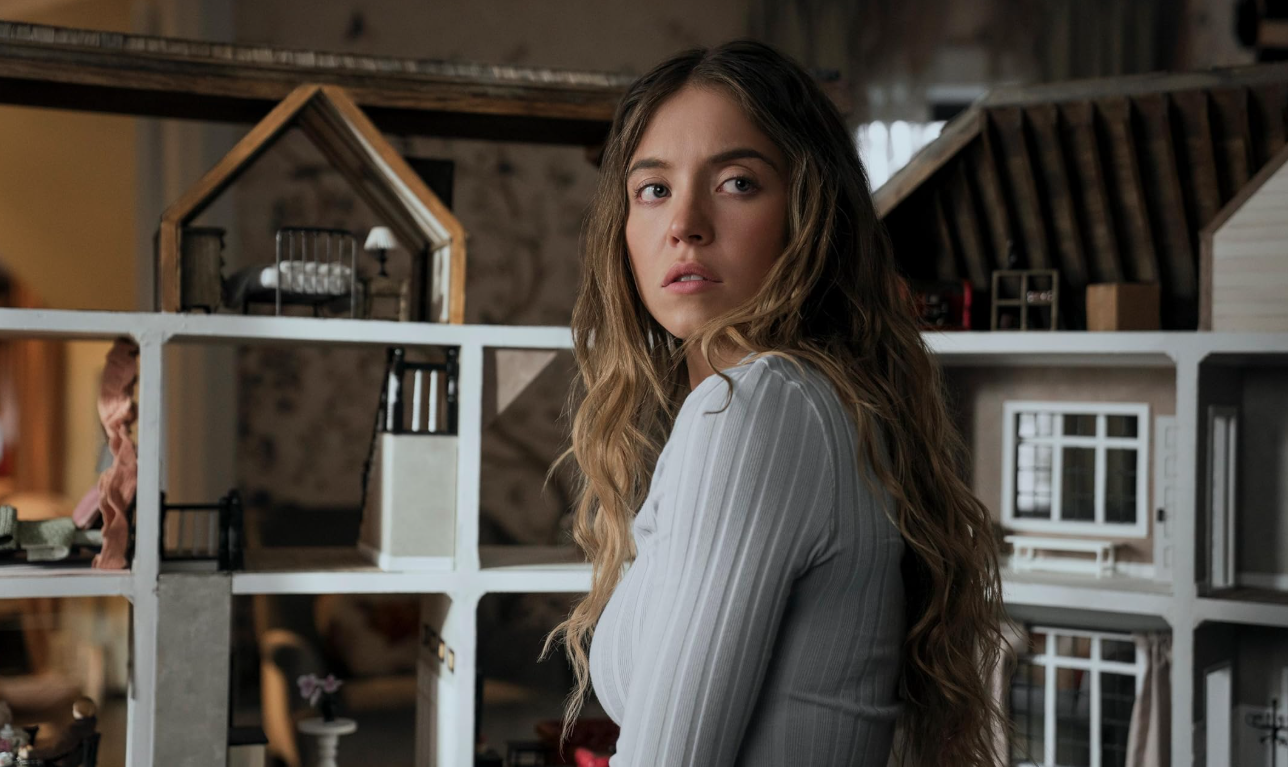
The cinematic landscape of high fashion is notoriously exclusionary, a theme that defined the 2006 original The Devil Wears Prada. As the industry prepares for the film's long-anticipated sequel, the editorial rigor of the source material appears to be extending to the production itself. Sydney Sweeney, the Euphoria star who has become a fixture of modern luxury branding, has reportedly seen her planned cameo removed from the final cut.
Sweeney was slated to appear as herself in a three-minute sequence, a meta-commentary on her own meteoric rise within the Hollywood and fashion ecosystems. Despite being photographed on set last year — fueling speculation about the sequel's contemporary relevance — the scene has been excised. The decision, first reported by Entertainment Weekly, suggests a tightening of the narrative as the project moves through post-production.
The economics of the cutting room floor
Removing a recognizable face from a major studio sequel is not without precedent, but it remains uncommon enough to warrant attention. Hollywood history is littered with high-profile deletions — from Terrence Malick's habit of excising entire performances in post-production to the well-documented removal of actors from ensemble blockbusters when test screenings reveal pacing problems. The calculus is straightforward in theory: a scene either serves the story or it does not. In practice, the decision is complicated by marketing considerations, contractual obligations, and the gravitational pull of celebrity.
Sweeney's commercial profile has expanded considerably since the original sequel announcement. Her visibility across fashion campaigns, social media, and a string of leading film roles has made her one of the most marketable young actresses in the industry. Under normal circumstances, that profile would make her inclusion a net positive for a studio's promotional strategy. That the filmmakers chose to cut the cameo anyway suggests the editorial logic of the film took priority over the marketing logic of the release — a tension that plays out on virtually every large-scale production but is rarely visible to the public.
The original The Devil Wears Prada, adapted from Lauren Weisberger's 2003 novel, succeeded in part because of its tightly controlled tone. It threaded satire, workplace drama, and fashion spectacle into a narrative that never lost focus on its central relationship between a young assistant and her imperious editor. Sequels to culturally embedded films face a particular structural problem: they must honor the original's identity while acknowledging that the world around it has changed. Cameos by contemporary figures can serve that bridging function, but they also risk pulling the audience out of the story and into a recognition game.
Discipline as brand statement
In an era where star power is often deployed as a blunt instrument for marketing — trailers engineered around surprise appearances, casting announcements timed to dominate news cycles — the removal of a high-profile talent like Sweeney registers as a rare act of narrative discipline. It also carries a certain ironic resonance. The original film's central metaphor was the fashion world's merciless standard of selection: what gets in, what gets discarded, and who makes the call. Cutting a scene that does not serve the whole, regardless of the talent involved, mirrors the editorial ruthlessness that Miranda Priestly embodied on screen.
The move also reflects a broader pattern in sequel filmmaking. Studios have learned, sometimes painfully, that overstuffing a follow-up with fan service and celebrity appearances can dilute the qualities that made the original work. The most commercially and critically durable sequels tend to be those that resist the temptation to expand the canvas beyond what the story can support.
Whether the cut improves the final film remains to be seen. What it reveals in the meantime is a production willing to make subtractive choices at a stage when most blockbusters are still adding. For a franchise built on the idea that taste is defined as much by what is excluded as by what is included, the edit may be the most thematic decision the filmmakers have made.
With reporting from Exame Inovação.
Source · Exame Inovação