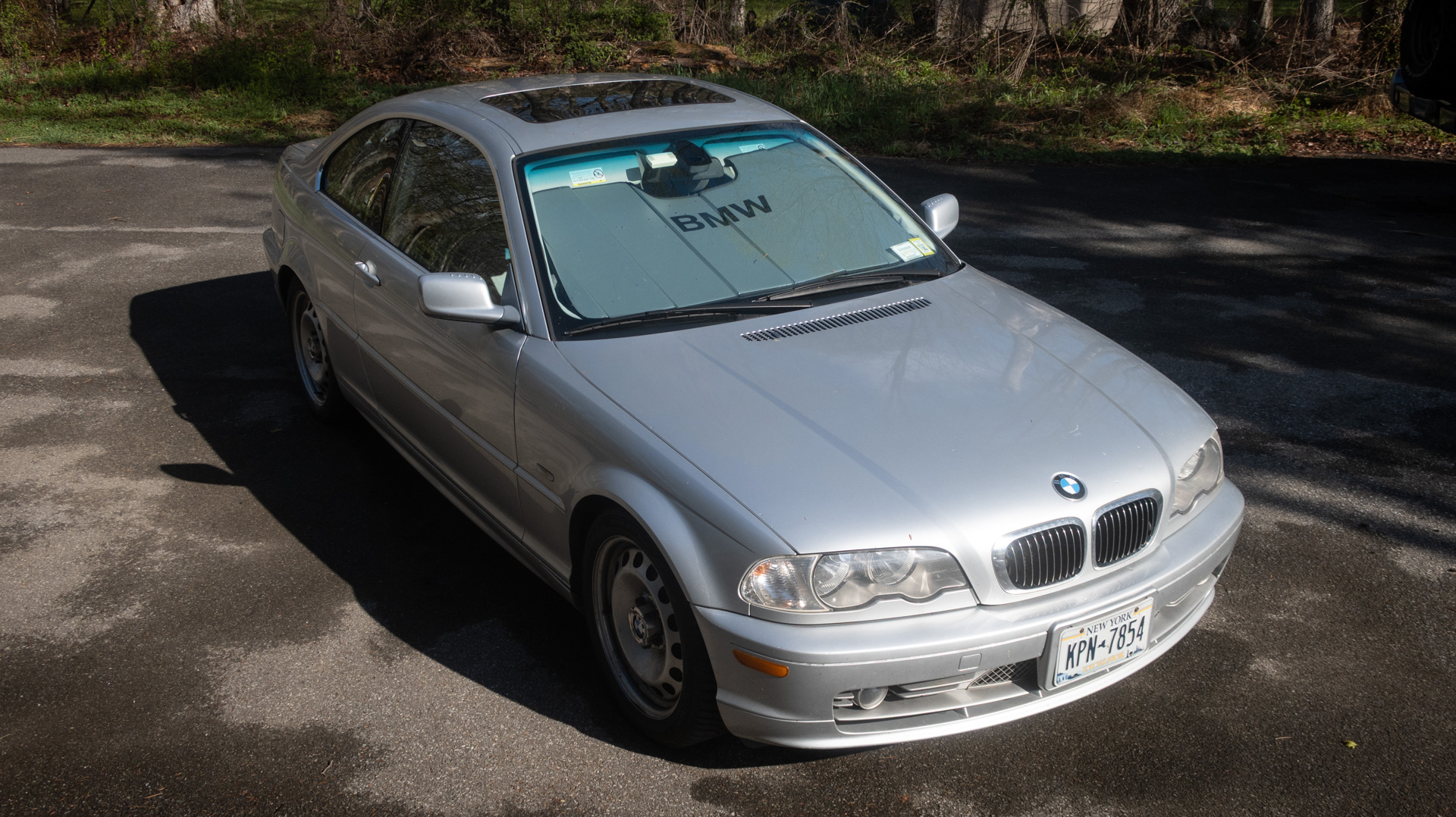
Ambient temperatures are already hitting the 90-degree mark in regions where spring has barely taken hold. For the modern driver, this signals more than just a premature need for air conditioning; it marks the beginning of the annual seasonal assault on a vehicle's interior. A car's windshield acts as a thermal trap, converting solar radiation into trapped heat that can quickly exceed the ambient temperature by forty degrees or more, effectively turning the cabin into a greenhouse. The phenomenon is straightforward physics — shortwave solar radiation passes through glass, strikes interior surfaces, and is re-emitted as longwave infrared radiation that glass does not readily transmit back out. The result is a feedback loop of accumulating heat, one that accelerates with each hour of direct sun exposure.
While the immediate benefit of a sunshade is a cooler steering wheel and a shorter wait for the climate control to engage, its true value lies in the mitigation of heat-cycling — the repeated expansion and contraction of materials as cabin temperatures swing from extreme highs during the day to cooler conditions at night.
The slow cost of thermal stress
The plastics, vinyls, and leathers that comprise a dashboard and seating are not designed to withstand perpetual, extreme fluctuations in temperature. Over time, this thermal stress leads to the breakdown of chemical bonds and the off-gassing of plasticizers — the chemical additives that keep polymers flexible — resulting in the brittle, cracked surfaces familiar to owners of older vehicles. The process is cumulative and largely irreversible. Once a dashboard begins to warp or a leather seat develops surface fractures, no amount of conditioning product restores the original molecular structure.
The issue extends beyond aesthetics. Modern vehicle interiors house an increasing density of electronics: touchscreen infotainment displays, sensor arrays embedded in dashboards, and camera modules mounted near windshields. Sustained cabin temperatures well above ambient conditions place thermal load on components whose tolerances were engineered for operational use, not prolonged passive baking. Warranty claims tied to interior electronics degradation remain a persistent friction point between owners and manufacturers, and the root cause often traces back to cumulative heat exposure rather than a single defect.
A physical barrier placed against the windshield is, in this context, an exercise in preventative maintenance — a low-cost intervention that interrupts the primary vector of heat accumulation before it compounds into material failure.
Choosing the right barrier
Selecting a sunshade is a matter of utility and material density. High-quality options, such as the thick roll-up designs from HeatShield or the custom-fit covers from RealTruck and Covercraft, provide a substantial thermal break by reflecting a significant portion of incoming solar energy before it enters the cabin. Even retractable systems, like those from Dash Designs, offer long-term reliability for drivers who find traditional shades cumbersome to deploy and store.
Fit matters more than most buyers assume. A sunshade that leaves significant gaps around the edges of the windshield allows enough solar ingress to undermine much of the thermal benefit. Custom-cut options that match a specific vehicle's windshield geometry tend to outperform universal alternatives, though at a higher price point. The trade-off between convenience and coverage is the central purchasing decision.
It is worth noting what a sunshade does not do. Side windows and rear glass still admit solar radiation, and a parked vehicle in direct sun will still accumulate heat over time, even with a front barrier in place. Ceramic window tint and ventilated parking, where available, address the remaining surfaces. But the windshield, as the largest single pane of glass on most vehicles and the one most directly oriented toward the sun during standard parking positions, remains the dominant entry point for thermal energy.
The broader context is difficult to ignore. Average summer temperatures across much of North America and Europe have trended upward over the past several decades, and the window of the year during which vehicles face sustained high-heat exposure has widened. What was once a concern limited to the Sun Belt or Mediterranean climates now applies to a broader geography. The sunshade, a product category that has existed for decades with minimal innovation, finds itself newly relevant not because the technology has changed, but because the baseline conditions have.
Whether this shifts consumer behavior at scale or remains the habit of a careful minority depends on how visibly — and how expensively — heat damage manifests in the current generation of increasingly electronics-laden interiors.
With reporting from The Drive.
Source · The Drive