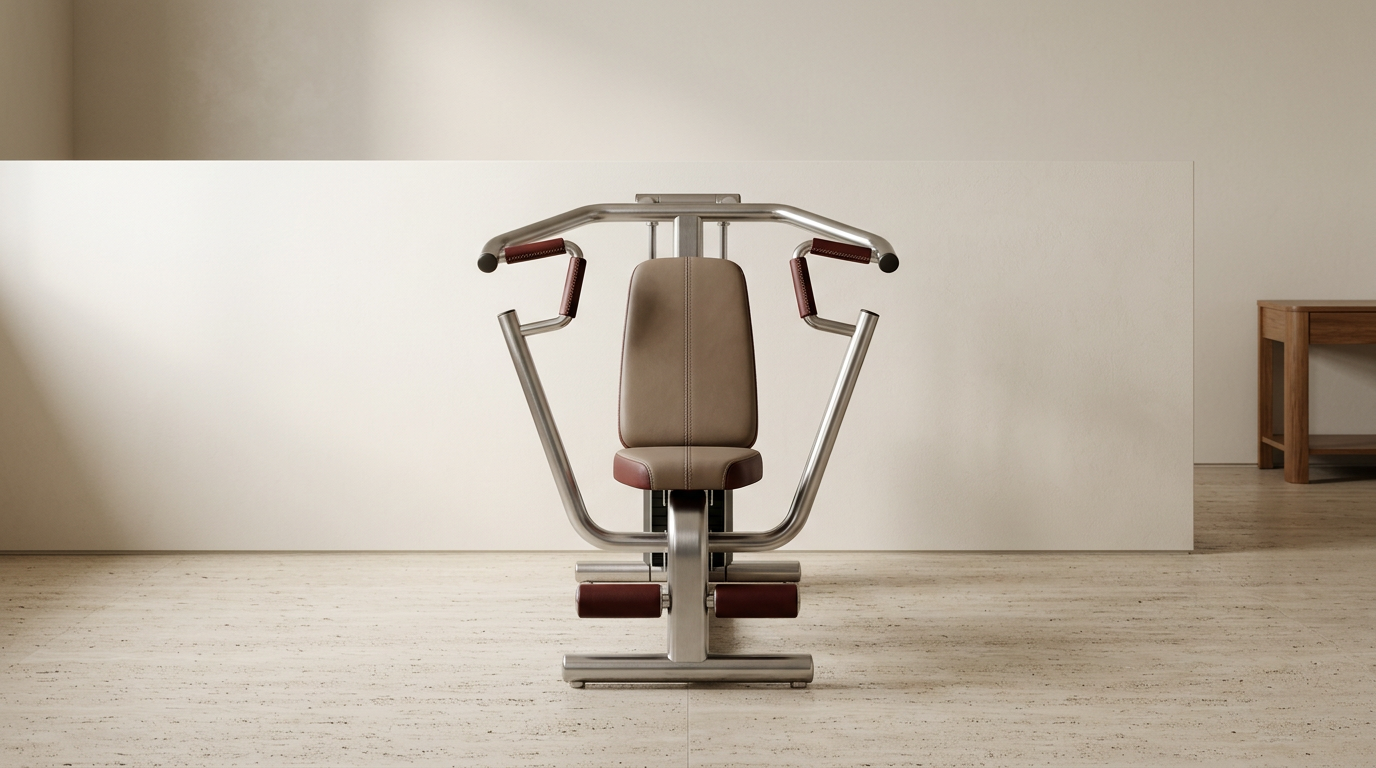
Forty years ago, in a garage in Cesena, Italy, Nerio Alessandri designed a piece of equipment that would eventually decouple home fitness from its gritty, utilitarian roots. The Technogym Unica was more than a multi-gym; it was an argument that physical exercise could be integrated into the domestic sphere through the lens of high-end industrial design. By replacing clunky iron plates and raw cables with polished chrome and hand-stitched leather, Alessandri helped invent the category of "home wellness" long before the term became a marketing staple.
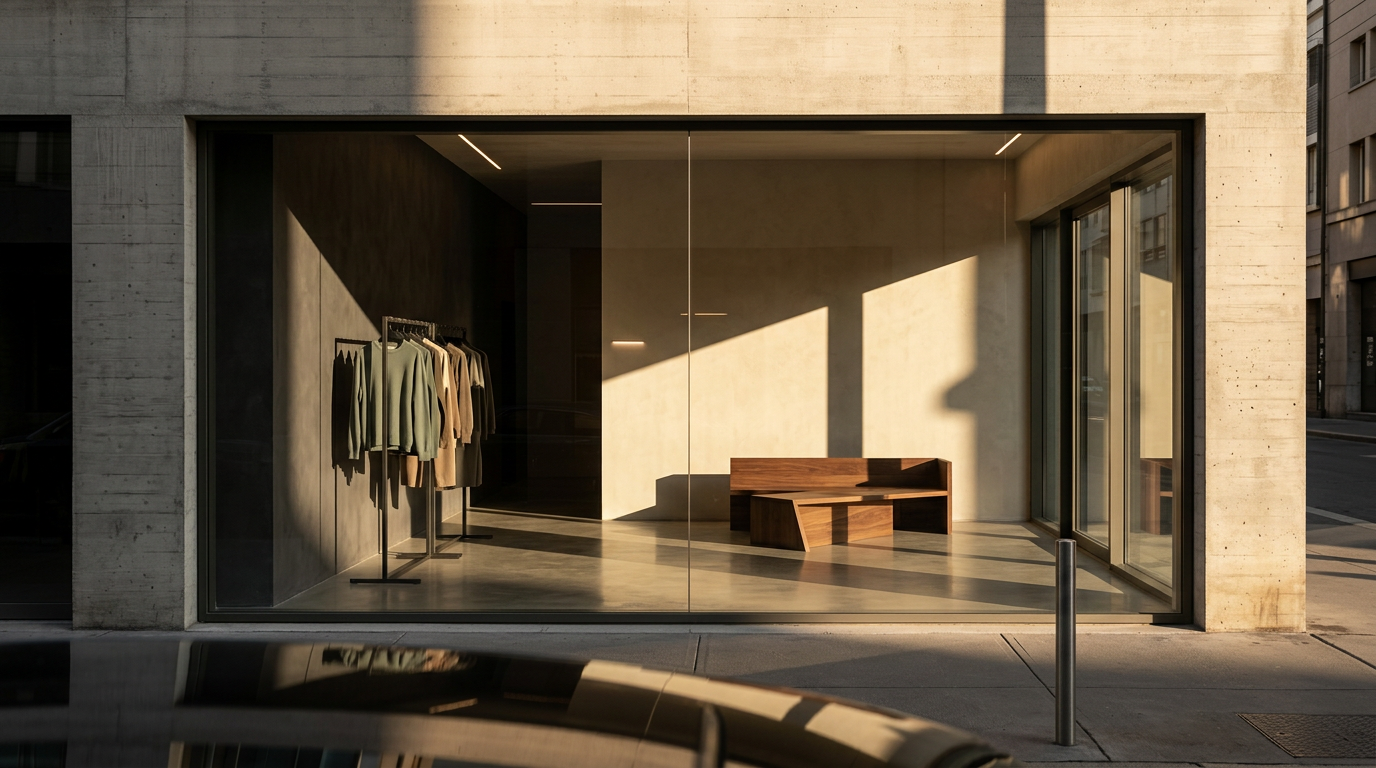
To mark the machine's four-decade milestone, Technogym has launched "UNICA MENTE" at Milan's Salone del Mobile. The installation, curated by Felice Limosani at the brand's Via Durini flagship, serves as a retrospective of the Unica's cultural footprint, featuring portraits of forty athletes, artists, and entrepreneurs who have incorporated the device into their daily rituals.
From Garage Prototype to Design Object
The Unica's origin story fits a familiar template in Italian manufacturing: a single founder, a provincial workshop, an obsessive attention to materials and form. What distinguished Alessandri's project was its target context. In the mid-1980s, home exercise equipment occupied a narrow aesthetic register — rubber mats, exposed steel frames, the visual language of the commercial gym transplanted awkwardly into spare bedrooms and basements. The Unica proposed something different: a compact, multi-station resistance machine designed to coexist with furniture rather than apologize for its presence.
That proposition aligned with a broader tradition in Italian industrial design, where household objects — from Alessi kettles to Artemide lamps — have long been treated as opportunities for formal expression. The Unica extended that logic to a category that had resisted it. Over subsequent decades, Technogym would grow into a global operation supplying equipment to Olympic Games, professional sports teams, and hospitality groups. But the Unica remained the conceptual anchor: proof that fitness hardware could carry the same design intentionality as a piece of mid-century furniture.
The timing of the anniversary exhibition is deliberate. Salone del Mobile, held annually in Milan, is the world's most prominent stage for furniture and industrial design. Presenting the Unica there — rather than at a fitness trade fair — reinforces the brand's long-standing effort to position wellness equipment within the design conversation rather than adjacent to it. The choice of venue, the Via Durini flagship, sits in Milan's design district, surrounded by showrooms for lighting, furniture, and architecture firms.
Wellness as Cultural Infrastructure
The "UNICA MENTE" exhibition does more than catalog four decades of product evolution. By profiling forty individuals across disciplines — sport, art, business — the installation frames the Unica not as a consumer product but as a shared cultural artifact, a node in a network of routines and rituals that cut across professional worlds.
More concretely, the anniversary includes a philanthropic dimension. Each of the forty participants has selected a school or charity to receive a donated Unica machine. The gesture moves the equipment beyond the private gyms of luxury hotels and estates and into public and educational spaces. It also raises an implicit question about access: the home wellness category that Technogym helped create has remained, by design and price point, a market oriented toward affluence. Donating machines to schools reframes the Unica's utility in collective rather than individual terms.
The broader context matters here. The home fitness market expanded sharply during the pandemic years and has since undergone a correction, with several digitally native competitors scaling back or restructuring. Technogym, rooted in physical hardware and institutional supply chains, has navigated that cycle from a different position — one anchored in manufacturing heritage rather than software-driven growth narratives. The Unica's longevity is, in part, a testament to the durability of that model.
Whether the next forty years of home wellness belong to connected screens, AI-driven coaching platforms, or refined physical machines remains an open question. What the Unica's anniversary underscores is that the category's origin was not technological but aesthetic — a bet that people would exercise more willingly if the tools looked like they belonged in their homes. The tension between that design-first philosophy and the data-driven direction of contemporary fitness is one worth watching.
With reporting from Highsnobiety.
Source · Highsnobiety