The lifecycle of a modern smartphone is rarely a secret. In an era of global supply chains and digital storefronts, the "leak" has become a standard, if unintentional, stage of the product launch. The latest instance involves the Motorola Razr 70, which appeared prematurely on the website of the Ukrainian retailer Allo. While the high-end Razr 70 Ultra has been the subject of previous speculation, this retail listing offers the first comprehensive look at the base model intended to succeed the Razr 60.
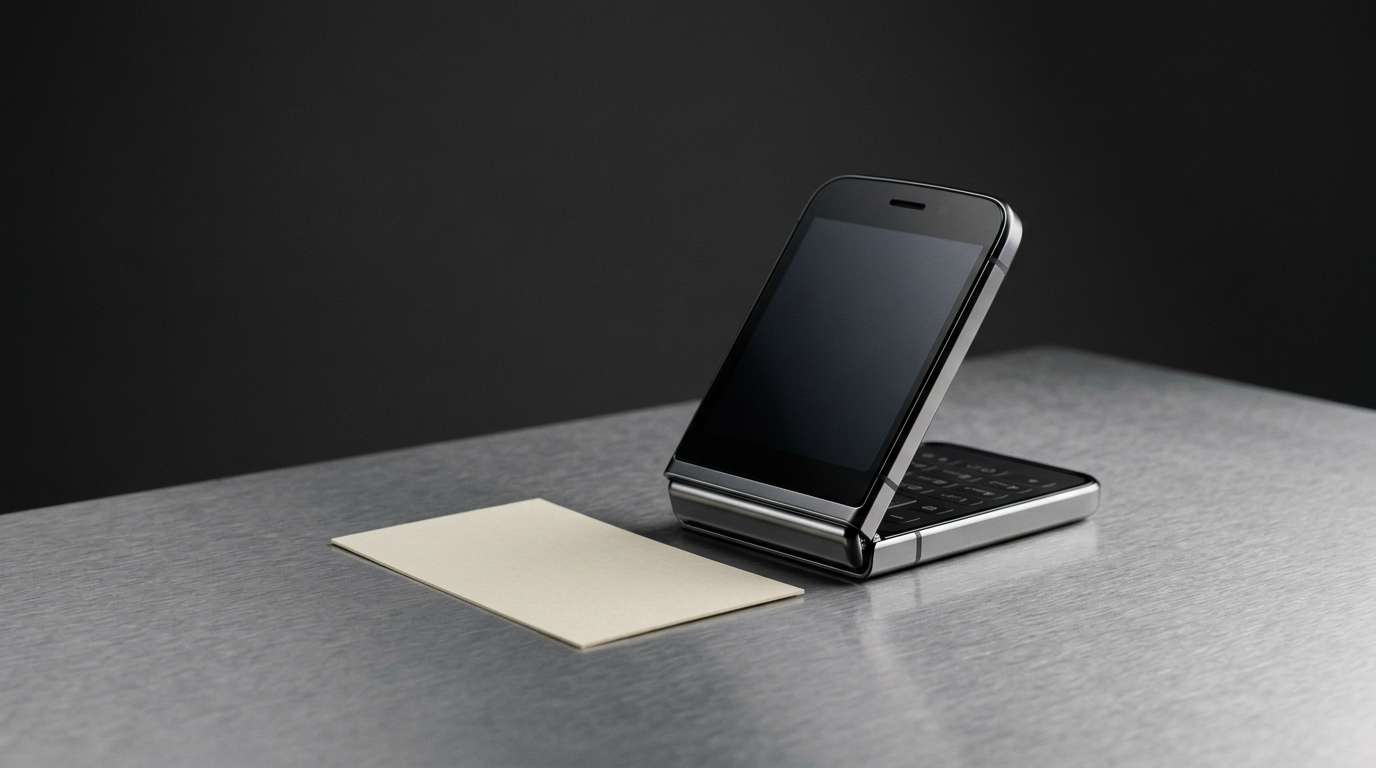
The listing confirms a device that leans into a sober, professional aesthetic. Clad in a finish dubbed "Hematite Stone Grey," the Razr 70 maintains the compact, clamshell form factor that has defined the brand's resurgence in the foldable market. Technical specifications revealed in the leak include 8GB of RAM and 256GB of internal storage, suggesting a device positioned to balance performance with the practical constraints of a folding chassis.
The clamshell as strategic anchor
Motorola's modern foldable lineage dates to 2020, when the company revived the Razr name for a new era of flexible displays. The original reboot was met with mixed reception — the hinge mechanism drew criticism, and the price point strained the value proposition. But the company persisted, iterating year over year with improved hinges, better cover screens, and more competitive pricing. By the time the Razr 50 and Razr 50 Ultra arrived, the line had matured into a credible alternative to Samsung's Galaxy Z Flip series, the dominant player in the clamshell foldable segment.
The Razr 70's appearance suggests that Motorola's strategy remains one of disciplined iteration rather than dramatic leaps. The specification sheet — 8GB of RAM, 256GB of storage, a muted colorway — reads as a device designed to hold its price point and broaden its addressable market. In the foldable category, where flagship models from Samsung and others still command premium pricing, the base-model Razr has consistently served as a more accessible entry point. That positioning matters: the clamshell form factor's appeal has always been partly about compactness and style rather than raw computational power, and a device that delivers adequate performance in an attractive package can capture buyers who might otherwise dismiss foldables as extravagant.
The choice of "Hematite Stone Grey" as the revealed colorway is a small but telling detail. It signals a shift toward understated, material-driven design language — closer to the vocabulary of premium accessories than consumer electronics. Whether this reflects a broader aesthetic direction for the Razr line or simply one option among several remains to be seen.
The leak as launch ritual
Pre-release retail listings have become so routine that they function almost as an unofficial phase of product marketing. A device surfaces on a regional storefront — often in markets with less centralized retail oversight — and technology publications disseminate the details within hours. The manufacturer neither confirms nor denies, preserving the formal launch event as a separate moment while benefiting from weeks of organic attention.
For Motorola, which operates under Lenovo's ownership and competes against Samsung's formidable marketing apparatus, these leaks carry asymmetric value. They generate coverage that would otherwise require significant advertising spend, and they allow the enthusiast community to set expectations before the official narrative takes hold. The risk, of course, is that a premature listing reveals a device that underwhelms — but in the case of the Razr 70, the specifications suggest a product that is precisely what the market would expect: a measured refinement of its predecessor.
The broader question hovering over Motorola's foldable ambitions is whether iterative improvement is sufficient in a category still searching for its mass-market moment. Clamshell foldables have carved out a niche, but they have not yet displaced the traditional slab form factor as the default consumer choice. Samsung continues to invest heavily in the segment, Google has entered with its own foldable hardware, and Chinese manufacturers are pushing aggressive pricing. Motorola's path — steady refinement, competitive pricing, design restraint — is a viable one, but it depends on the assumption that the foldable market will continue to grow gradually rather than be reshaped by a single disruptive product or price breakthrough. Whether that assumption holds is the tension worth watching.
With reporting from Canaltech.
Source · Canaltech